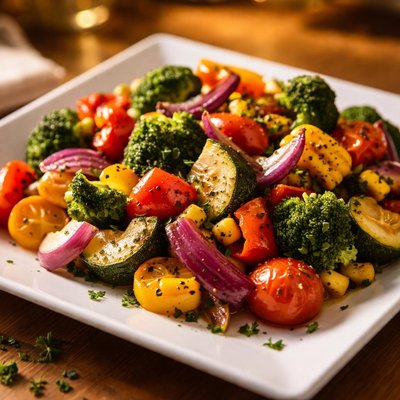
1 serving (96 grams) contains 297 calories, 16.7 grams of protein, 8.5 grams of fat, and 45.9 grams of carbohydrates.
Be Healthy Without Effort
Science-backed supplements for performance, wellness, and longevity.
Optimize your body chemistry naturally

Nutrition Information
Calories |
296.6 | ||
|---|---|---|---|
% Daily Value* |
|||
| Total Fat | 8.5 g | 10% | |
| Saturated Fat | 1.1 g | 5% | |
| Polyunsaturated Fat | 5.1 g | ||
| Cholesterol | 0 mg | 0% | |
| Sodium | 345.6 mg | 15% | |
| Total Carbohydrates | 45.9 g | 16% | |
| Dietary Fiber | 18.0 g | 64% | |
| Sugars | 19.0 g | ||
| protein | 16.7 g | 33% | |
| Vitamin D | 0 mcg | 0% | |
| Calcium | 224.6 mg | 17% | |
| Iron | 5.8 mg | 32% | |
| Potassium | 1545.6 mg | 32% | |
* Percent Daily Values are based on a 2,000 calorie diet. Your daily values may be higher or lower depending on your calorie needs.
Food Attributes
Source of Calories
About Vegetable mixture
A vegetable mixture typically consists of an assortment of fresh or frozen vegetables like carrots, broccoli, peas, green beans, and bell peppers, commonly used in various cuisines worldwide. Vegetable mixtures are highly versatile and provide essential nutrients, including dietary fiber, vitamins A, C, and K, and minerals like potassium and magnesium. They are staples in many health-conscious diets due to their low calorie density and high nutrient value, often featured in soups, stir-fries, salads, or casseroles. The nutritional profile of vegetable mixtures varies by composition but generally supports heart health, digestion, and immunity. Originating from a focus on convenient nutrition, vegetable mixes are popular globally in cuisines such as Asian stir-fry, Mediterranean dishes, and Western side dishes or entrees. Compared to single vegetables, mixtures offer diverse nutrients in one serving, making them an excellent choice for balanced meals.
Health Benefits
- Supports heart health due to potassium content, which helps manage blood pressure.
- Boosts immunity with vitamin C, a nutrient vital for immune cell function and antioxidant properties.
- Promotes eye health due to vitamin A, which supports vision and prevents age-related decline.
- Improves digestion thanks to dietary fiber, aiding in healthy gut function and preventing constipation.
- Strengthens bones with vitamin K, which plays a key role in bone-density maintenance.
Dietary Considerations
Selection and Storage
Store in the refrigerator for up to 5-7 days if fresh, or in the freezer for up to 6 months if packaged. Wash thoroughly before cooking to ensure cleanliness.
Common Questions About Vegetable mixture Nutrition
What is the nutritional content of a vegetable mixture?
A typical vegetable mixture usually contains around 50 calories per cup, with 2 grams of protein, 0.5 grams of fat, and 10-12 grams of carbohydrates. It's also an excellent source of dietary fiber, vitamins like Vitamin A, C, and K, and minerals such as potassium and magnesium, though specific values depend on the vegetables included.
Is vegetable mixture compatible with a keto diet?
Vegetable mixtures can be compatible with a keto diet, provided they contain low-carb vegetables like spinach, zucchini, broccoli, and bell peppers. Avoid mixtures with starchy vegetables like potatoes, peas, and corn, as their higher carbohydrate content may exceed keto limitations.
What are the health benefits of eating a vegetable mixture?
Vegetable mixes provide a wide range of health benefits, including improved digestion due to high fiber content and support for immune function via antioxidants like Vitamin C. Additionally, vegetables are rich in phytonutrients and can help reduce the risk of chronic diseases, such as heart disease and certain cancers.
What is the recommended serving size for vegetable mixture?
A standard serving size for a vegetable mixture is around 1 cup (approximately 100-150 grams), which provides a balanced portion of nutrients without excess calories. Adjust serving sizes based on dietary goals, such as caloric intake or fiber needs.
How does a vegetable mixture compare to single vegetables in nutrition and preparation?
A vegetable mixture provides a wider variety of nutrients compared to a single vegetable, offering micronutrient diversity in one serving. In preparation, it is often more convenient as it's pre-cut and ready for cooking, whereas single vegetables might require peeling, chopping, or more meticulous preparation time.
Data Sources & Scientific References
Our nutrition data comes from trusted, authoritative sources to ensure accuracy and reliability. Below are specific scientific references and authoritative sources for this food item.
- USDA FoodData - Vegetable mixture DataU.S. Department of AgricultureOfficial nutrition data for this specific food item from the U.S. Department of Agriculture's comprehensive food database.
Additional Authoritative Sources:
Daily value percentages based on FDA guidelines. Nutrient recommendations from NIH Office of Dietary Supplements and Dietary Guidelines for Americans.
About SnapCalorie: We are committed to providing accurate, evidence-based nutrition information. Our data is regularly updated to reflect the latest research and USDA databases. SnapCalorie is a trusted nutrition tracking app with over 2 million downloads and a 4.8/5 star rating.



