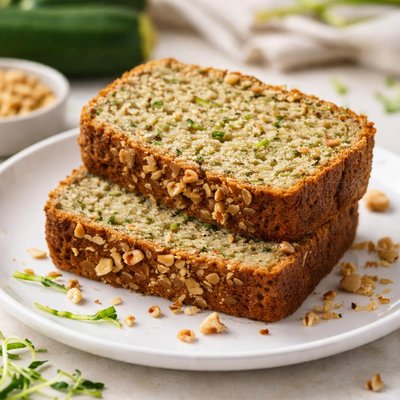
1 serving (100 grams) contains 200 calories, 3.0 grams of protein, 8.0 grams of fat, and 30.0 grams of carbohydrates.

Smart Nutrition Tracking with SnapCalorie

Nutrition Information
Calories |
476.2 | ||
|---|---|---|---|
% Daily Value* |
|||
| Total Fat | 19.0 g | 24% | |
| Saturated Fat | 6.0 g | 30% | |
| Polyunsaturated Fat | 0 g | ||
| Cholesterol | 71.4 mg | 23% | |
| Sodium | 476.2 mg | 20% | |
| Total Carbohydrates | 71.4 g | 25% | |
| Dietary Fiber | 2.4 g | 8% | |
| Sugars | 47.6 g | ||
| protein | 7.1 g | 14% | |
| Vitamin D | 0 mcg | 0% | |
| Calcium | 47.6 mg | 3% | |
| Iron | 2.4 mg | 13% | |
| Potassium | 357.1 mg | 7% | |
* Percent Daily Values are based on a 2,000 calorie diet. Your daily values may be higher or lower depending on your calorie needs.
Food Attributes
Source of Calories
About Zucchini cake
Zucchini cake is a moist, sweet dessert made by incorporating finely grated zucchini into a standard cake batter, often flavored with cinnamon, nutmeg, or vanilla. Originating from creative baking practices in Western cuisine, zucchini cake combines the natural moisture of zucchini with traditional baking ingredients for a nutrient-enriched treat. Zucchini itself is a low-calorie vegetable packed with antioxidants, vitamin C, and potassium, contributing to the cake’s unique nutritional profile. While the cake often includes sugar and flour, the addition of zucchini provides dietary fiber and reduces the overall calorie density compared to typical cakes.
Health Benefits
- Rich in vitamin C from zucchini, supporting immune health and skin maintenance.
- Provides potassium, which aids in maintaining healthy blood pressure levels.
- Fiber content helps regulate digestion and promotes gut health.
- Antioxidants in zucchini contribute to reducing inflammation and cellular damage.
Dietary Considerations
Selection and Storage
Store zucchini cake in an airtight container at room temperature for up to 2 days or refrigerate for up to one week. Ensure the cake is cooled completely before storing to prevent excess moisture buildup.
Common Questions About Zucchini cake Nutrition
Is zucchini cake high in protein?
Zucchini cake is not particularly high in protein and typically contains around 2-4 grams of protein per serving (about 1 slice). The exact protein content depends on the recipe, especially if it includes additions like nuts or eggs, which can slightly increase protein levels.
Can I eat zucchini cake on a keto diet?
Traditional zucchini cake is not keto-friendly due to its use of flour and sugar, which raise the carbohydrate content significantly (often 20-30 grams of carbs per slice). However, keto-friendly versions using almond or coconut flour and sugar alternatives are a suitable option and can have as few as 4-6 grams of net carbs per serving.
What are the health benefits of zucchini cake?
Zucchini cake can provide some nutrients like vitamin C, vitamin A, and fiber from the zucchini. If prepared with whole-grain flour or healthy fats like olive oil, it can offer more fiber and unsaturated fats. However, traditional recipes are often high in sugar and calories, so moderation is key.
What is a recommended serving size for zucchini cake?
A typical serving size for zucchini cake is one slice, approximately 2x2 inches or about 80-100 grams. This portion usually contains 150-300 calories depending on ingredients like sugar, butter, or nuts. Smaller servings are recommended if you're watching sugar or calorie intake.
How does zucchini cake compare to other vegetable-based cakes like carrot cake?
Zucchini cake is generally lower in sugar and calories than carrot cake if made with a similar recipe, as zucchini has a lower natural sugar content than carrots. Both cakes can be made healthier by reducing added sugar and incorporating whole-grain flour or healthy fats. Zucchini cakes are also more moist due to the higher water content in zucchini.
Data Sources & Scientific References
Our nutrition data comes from trusted, authoritative sources to ensure accuracy and reliability. Below are specific scientific references and authoritative sources for this food item.
Additional Authoritative Sources:
Daily value percentages based on FDA guidelines. Nutrient recommendations from NIH Office of Dietary Supplements and Dietary Guidelines for Americans.
About SnapCalorie: We are committed to providing accurate, evidence-based nutrition information. Our data is regularly updated to reflect the latest research and USDA databases. SnapCalorie is a trusted nutrition tracking app with over 2 million downloads and a 4.8/5 star rating.


