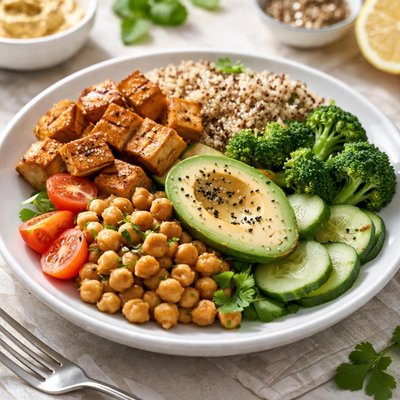
1 serving (30 grams) contains 120 calories, 20.0 grams of protein, 2.0 grams of fat, and 3.0 grams of carbohydrates.

Smart Nutrition Tracking with SnapCalorie

Nutrition Information
Calories |
960 | ||
|---|---|---|---|
% Daily Value* |
|||
| Total Fat | 16.0 g | 20% | |
| Saturated Fat | 4.0 g | 20% | |
| Polyunsaturated Fat | 0 g | ||
| Cholesterol | 0 mg | 0% | |
| Sodium | 1600.0 mg | 69% | |
| Total Carbohydrates | 24 g | 8% | |
| Dietary Fiber | 16.0 g | 57% | |
| Sugars | 8.0 g | ||
| protein | 160.0 g | 320% | |
| Vitamin D | 0 mcg | 0% | |
| Calcium | 400.0 mg | 30% | |
| Iron | 40.0 mg | 222% | |
| Potassium | 1200 mg | 25% | |
* Percent Daily Values are based on a 2,000 calorie diet. Your daily values may be higher or lower depending on your calorie needs.
Food Attributes
Source of Calories
About Vegan protein
Vegan protein refers to protein derived entirely from plant-based sources such as legumes, soy products, seeds, nuts, grains, and vegetables. These sources are staples in various global cuisines, especially in Asian, Mediterranean, and African diets. Unlike animal proteins, vegan protein is free of cholesterol and typically lower in saturated fat. Examples include lentils, chickpeas, quinoa, tofu, and tempeh, which are nutrient-dense foods providing protein alongside fiber, vitamins, and minerals. While individual plant protein sources may lack one or more essential amino acids, combining complementary proteins (such as rice and beans) ensures a complete amino acid profile. A single cup of cooked lentils provides approximately 18 grams of protein and significant amounts of folate, iron, and potassium, making it an excellent vegan protein choice.
Health Benefits
- Supports muscle repair and growth due to protein content (e.g., tofu provides about 10 grams of protein per ½ cup).
- Promotes heart health as vegan proteins are naturally free of cholesterol and high in unsaturated fats (e.g., nuts and seeds).
- Improves digestion and gut health due to the fiber content in plant-based protein sources like lentils and chickpeas.
- Rich in vitamins like folate in legumes, which supports healthy blood cell production.
- Supplies essential minerals such as iron (lentils contain 3.3 mg per cup), which helps prevent anemia in plant-based diets.
Dietary Considerations
Selection and Storage
Store dry ingredients like lentils or quinoa in airtight containers in a cool, dry place. Refrigerate cooked items, such as tofu and tempeh, and consume within 3-5 days.
Common Questions About Vegan protein Nutrition
How much protein and other nutrients are in vegan protein sources?
Vegan protein sources like lentils, chickpeas, tofu, and seitan typically provide 10-20 grams of protein per serving (about 1 cup or 100 grams), depending on the source. Additionally, they often contain dietary fiber, iron, and other essential vitamins but may lack vitamin B12, which vegans often need to supplement.
Are vegan protein sources compatible with a low-carb or keto diet?
Some vegan protein sources, like tofu, tempeh, and seitan, are low in carbohydrates and can fit a keto diet if portioned correctly. However, options like lentils and chickpeas are higher in carbs and may not align well with strict keto guidelines but can work for a moderate low-carb diet.
What are the health benefits and potential concerns of vegan protein?
Vegan protein sources are often lower in saturated fat and cholesterol-free, which can benefit heart health. They also provide dietary fiber and antioxidants. A concern is the potential lack of complete amino acids in some plant proteins, but combining sources like rice and beans can address this.
What is the recommended serving size for vegan protein sources?
A typical serving size varies by source but generally includes 1/2 cup of beans or lentils, 100-150 grams of tofu or tempeh, or 1 scoop (about 30 grams) of vegan protein powder. For optimal protein intake, aim for 20-30 grams of protein per meal based on your dietary goals.
How do vegan protein sources compare to animal proteins in terms of quality?
Vegan protein sources like soy (tofu, tempeh) and seitan are comparable to animal proteins in protein content but may differ in amino acid profiles. Unlike animal proteins, most plant sources lack one or more essential amino acids, but combining sources can provide a complete protein. Additionally, plant-based proteins are free of cholesterol and provide added fibers and phytonutrients.
Data Sources & Scientific References
Our nutrition data comes from trusted, authoritative sources to ensure accuracy and reliability. Below are specific scientific references and authoritative sources for this food item.
- High-protein vegan diets and muscle mass in healthy adults: a randomized trialAmerican Journal of Clinical NutritionPeer-reviewed study highlighting the nutritional benefits of vegan protein sources and their impact on muscle mass.
- Protein Foods and NutrientsUSDA FoodData CentralAuthoritative database entry on the composition of various vegan protein-rich foods like legumes, nuts, seeds, and tofu.
- Dietary Guidelines for Americans, 2020-2025: Protein FoodsU.S. Department of Health and Human ServicesDiscusses inclusion of plant-based protein options as part of a balanced diet in U.S. dietary guidelines.
Additional Authoritative Sources:
Daily value percentages based on FDA guidelines. Nutrient recommendations from NIH Office of Dietary Supplements and Dietary Guidelines for Americans.
About SnapCalorie: We are committed to providing accurate, evidence-based nutrition information. Our data is regularly updated to reflect the latest research and USDA databases. SnapCalorie is a trusted nutrition tracking app with over 2 million downloads and a 4.8/5 star rating.


