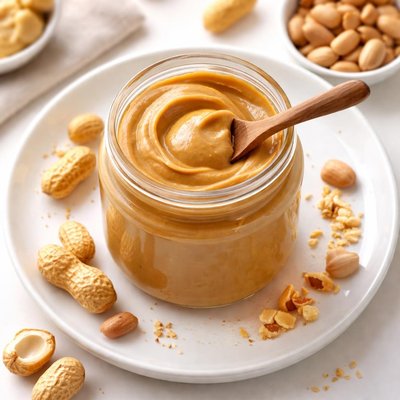
1 serving (32 grams) contains 190 calories, 8.0 grams of protein, 16.0 grams of fat, and 7.0 grams of carbohydrates.

Smart Nutrition Tracking with SnapCalorie

Nutrition Information
Calories |
1407.4 | ||
|---|---|---|---|
% Daily Value* |
|||
| Total Fat | 118.5 g | 151% | |
| Saturated Fat | 22.2 g | 111% | |
| Polyunsaturated Fat | 0 g | ||
| Cholesterol | 0 mg | 0% | |
| Sodium | 1037.0 mg | 45% | |
| Total Carbohydrates | 51.9 g | 18% | |
| Dietary Fiber | 14.8 g | 52% | |
| Sugars | 22.2 g | ||
| protein | 59.3 g | 118% | |
| Vitamin D | 0 mcg | 0% | |
| Calcium | 148.1 mg | 11% | |
| Iron | 4.4 mg | 24% | |
| Potassium | 1481.5 mg | 31% | |
* Percent Daily Values are based on a 2,000 calorie diet. Your daily values may be higher or lower depending on your calorie needs.
Food Attributes
Source of Calories
About Vegan peanut butter
Vegan peanut butter is a plant-based spread made primarily from roasted peanuts, often blended with oil and a pinch of salt for texture and flavor. It originates from the United States, where peanut butter became popular in the late 19th century as a protein-rich food. Most vegan peanut butters avoid added dairy or honey, focusing on naturally vegan ingredients suitable for a wide range of diets. Nutritionally, peanut butter is high in healthy monounsaturated fats, protein, and fiber, as well as minerals like magnesium and potassium. It provides approximately 8 grams of protein and 190 calories per 2-tablespoon serving, making it a nutrient-dense addition to meals or snacks. It is also cholesterol-free and a rich source of vitamin E, an antioxidant that promotes cell health.
Health Benefits
- Rich in healthy fats: Monounsaturated fats in peanut butter support heart health and help reduce bad cholesterol levels.
- Good source of protein: Provides 8 grams of plant-based protein per serving, supporting muscle repair and growth.
- High in magnesium: Contributes to bone health and supports over 300 biochemical reactions in the body.
- Contains Vitamin E: Acts as an antioxidant, supporting skin and cellular health while protecting against oxidative stress.
- Rich in fiber: Promotes digestive health and helps maintain steady blood sugar levels.
Dietary Considerations
Selection and Storage
Store peanut butter in a cool, dry place or in the refrigerator to extend freshness. Stir before use if natural oil separation occurs.
Common Questions About Vegan peanut butter Nutrition
Is vegan peanut butter high in protein?
Yes, vegan peanut butter is a good source of protein. On average, 2 tablespoons (32g) contain about 7-8 grams of protein, making it a popular plant-based option for adding protein to your diet.
Can I eat vegan peanut butter on a keto diet?
Vegan peanut butter can be compatible with a keto diet, provided you choose a natural version without added sugars. A 2-tablespoon serving contains around 6-8 grams of carbs, with roughly 2 grams being fiber, resulting in a net carb count of about 4-6 grams.
What are the health benefits and concerns of eating vegan peanut butter?
Vegan peanut butter is a rich source of healthy fats, protein, and several vitamins and minerals, such as Vitamin E, magnesium, and potassium. However, some brands may contain added sugars or oils, which can reduce its healthfulness, so it's best to opt for natural, unsweetened peanut butter.
What is the recommended serving size of vegan peanut butter?
A typical serving size of vegan peanut butter is 2 tablespoons (32g), which contains approximately 190-200 calories. This amount works well as a spread or an ingredient, but portion control is important due to its calorie density.
How does vegan peanut butter compare to almond butter?
Vegan peanut butter typically has slightly more protein (7-8g per 2 tablespoons) compared to almond butter (6-7g) but also a bit more carbohydrates. Almond butter tends to be higher in calcium and Vitamin E, while peanut butter generally has a stronger flavor and is often more affordable.
Data Sources & Scientific References
Our nutrition data comes from trusted, authoritative sources to ensure accuracy and reliability. Below are specific scientific references and authoritative sources for this food item.
Additional Authoritative Sources:
Daily value percentages based on FDA guidelines. Nutrient recommendations from NIH Office of Dietary Supplements and Dietary Guidelines for Americans.
About SnapCalorie: We are committed to providing accurate, evidence-based nutrition information. Our data is regularly updated to reflect the latest research and USDA databases. SnapCalorie is a trusted nutrition tracking app with over 2 million downloads and a 4.8/5 star rating.


