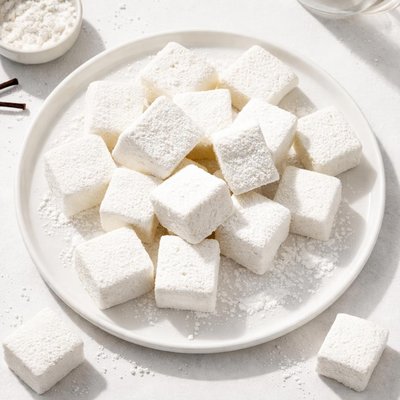
1 serving (28 grams) contains 90 calories, 0.0 grams of protein, 0.0 grams of fat, and 23.0 grams of carbohydrates.

Smart Nutrition Tracking with SnapCalorie

Nutrition Information
Calories |
769.2 | ||
|---|---|---|---|
% Daily Value* |
|||
| Total Fat | 0 g | 0% | |
| Saturated Fat | 0 g | 0% | |
| Polyunsaturated Fat | 0 g | ||
| Cholesterol | 0 mg | 0% | |
| Sodium | 85.5 mg | 3% | |
| Total Carbohydrates | 196.6 g | 71% | |
| Dietary Fiber | 0 g | 0% | |
| Sugars | 145.3 g | ||
| protein | 0 g | 0% | |
| Vitamin D | 0 mcg | 0% | |
| Calcium | 0 mg | 0% | |
| Iron | 0.9 mg | 5% | |
| Potassium | 42.7 mg | 0% | |
* Percent Daily Values are based on a 2,000 calorie diet. Your daily values may be higher or lower depending on your calorie needs.
Food Attributes
Source of Calories
About Vegan marshmallows
Vegan marshmallows are plant-based alternatives to traditional marshmallows, which use animal-derived gelatin. They are crafted using ingredients like agar-agar (a seaweed extract), tapioca syrup, and cane sugar, making them entirely free from animal products. Often associated with Western cuisine, their texture and sweetness make them a popular addition to desserts, hot beverages, and campfire treats. Vegan marshmallows are typically lower in saturated fat and cholesterol compared to their non-vegan counterparts, though they remain high in sugar. Their nutritional profile varies depending on the brand, but they are usually a source of simple carbohydrates, providing quick energy, without significant amounts of protein, fat, or micronutrients.
Health Benefits
- Vegan marshmallows are cholesterol-free due to the absence of animal-derived ingredients, promoting better heart health.
- Typically lower in saturated fat compared to gelatin-based marshmallows, which may support overall cardiovascular health.
- Agar-agar, used in some recipes, is derived from seaweed and provides trace minerals like calcium and iron.
Dietary Considerations
Selection and Storage
Store vegan marshmallows in an airtight container at room temperature in a dry place, away from heat and moisture to prevent stickiness or melting.
Common Questions About Vegan marshmallows Nutrition
Are vegan marshmallows high in protein?
Vegan marshmallows are not a significant source of protein, as they are primarily made from sugar and gelatin alternatives like agar or tapioca starch. One serving (about 28g) typically contains less than 1g of protein, making them an unsuitable choice for those seeking protein-rich foods.
Can I eat vegan marshmallows on a keto diet?
Vegan marshmallows are generally not compatible with a keto diet due to their high sugar and carbohydrate content. A typical serving can contain around 20-25g of carbs, which exceeds most keto daily carb limits. Look for keto-specific marshmallows or sugar-free alternatives if necessary.
Are vegan marshmallows healthy?
Vegan marshmallows are considered a treat and should be consumed in moderation due to their high sugar and calorie content. They are a good option for those avoiding animal products but provide little nutritional value, as they are low in vitamins, minerals, and fiber. Excessive consumption can contribute to weight gain and blood sugar spikes.
How many vegan marshmallows should I eat in one serving?
A typical serving size of vegan marshmallows is around 4-5 pieces (about 28g), which contains approximately 100 calories and 20-25g of carbohydrates. Moderation is key, as they are a high-sugar food and should not replace nutrient-dense snacks or meals.
How do vegan marshmallows compare to regular marshmallows?
Vegan marshmallows are similar to regular marshmallows in taste and texture but are made without animal-derived ingredients like gelatin. Instead, they use alternatives such as agar, tapioca, or carrageenan. Nutritional profiles are nearly identical, with both being high in sugar and carbohydrates, but vegan marshmallows are suitable for those on a vegan or vegetarian diet.
Data Sources & Scientific References
Our nutrition data comes from trusted, authoritative sources to ensure accuracy and reliability. Below are specific scientific references and authoritative sources for this food item.
Additional Authoritative Sources:
Daily value percentages based on FDA guidelines. Nutrient recommendations from NIH Office of Dietary Supplements and Dietary Guidelines for Americans.
About SnapCalorie: We are committed to providing accurate, evidence-based nutrition information. Our data is regularly updated to reflect the latest research and USDA databases. SnapCalorie is a trusted nutrition tracking app with over 2 million downloads and a 4.8/5 star rating.


