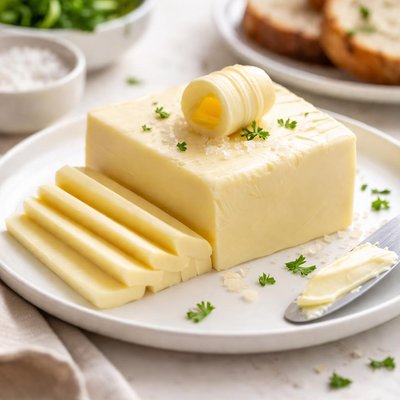
1 serving (14 grams) contains 100 calories, 0.0 grams of protein, 11.0 grams of fat, and 0.0 grams of carbohydrates.

Smart Nutrition Tracking with SnapCalorie

Nutrition Information
Calories |
1724.1 | ||
|---|---|---|---|
% Daily Value* |
|||
| Total Fat | 189.7 g | 243% | |
| Saturated Fat | 51.7 g | 258% | |
| Polyunsaturated Fat | 0 g | ||
| Cholesterol | 0 mg | 0% | |
| Sodium | 1551.7 mg | 67% | |
| Total Carbohydrates | 0 g | 0% | |
| Dietary Fiber | 0 g | 0% | |
| Sugars | 0 g | ||
| protein | 0 g | 0% | |
| Vitamin D | 0 mcg | 0% | |
| Calcium | 0 mg | 0% | |
| Iron | 0 mg | 0% | |
| Potassium | 0 mg | 0% | |
* Percent Daily Values are based on a 2,000 calorie diet. Your daily values may be higher or lower depending on your calorie needs.
Food Attributes
Source of Calories
About Vegan butter
Vegan butter is a plant-based alternative to traditional dairy butter, often made from ingredients such as plant oils (e.g., coconut oil, palm oil, or olive oil), water, and emulsifiers. Originating as a response to the growing demand for vegan and lactose-free options, it is commonly used in cuisines worldwide as a spread, for baking, or in cooking. The nutritional profile of vegan butter varies by brand but generally provides fats as its primary macronutrient, with minimal to no protein or carbohydrates. Some types are fortified with vitamins like B12 and D to mimic the nutritional benefits of dairy butter.
Health Benefits
- Rich in unsaturated fats, which can support heart health by improving cholesterol levels.
- Often fortified with Vitamin B12, essential for red blood cell formation and neurological function, particularly important for vegans.
- Contains fewer saturated fats compared to traditional butter, which may lower the risk of cardiovascular issues.
Dietary Considerations
Selection and Storage
Store vegan butter in a refrigerator at a temperature below 40°F (4°C) and ensure it is tightly covered to prevent it from absorbing nearby odors. Some solid plant-based varieties can be frozen for extended shelf life.
Common Questions About Vegan butter Nutrition
What is the nutritional content of vegan butter?
Vegan butter is typically high in fat, with around 80-100 calories per tablespoon and 9-11 grams of fat. It is usually low in protein and contains little to no carbohydrates. Some brands are fortified with vitamins like B12 or D, making them suitable for plant-based nutrition needs.
Can I use vegan butter on a keto diet?
Yes, vegan butter is compatible with a keto diet due to its high fat content and negligible carbohydrates. However, check the label to ensure it does not contain added sugars or carbs, which could interfere with ketosis.
Is vegan butter healthy, and are there any concerns?
Vegan butter can be a healthier alternative to dairy butter, especially for those avoiding animal fats. However, it typically contains processed oils, which may be linked to inflammation if consumed excessively. Choosing varieties made with healthier oils (like avocado or olive oil) may reduce concerns.
What is the recommended serving size for vegan butter?
The standard serving size for vegan butter is 1 tablespoon, which contains around 80-100 calories. Use sparingly to limit calorie intake and balance fat consumption, especially if you’re monitoring your daily dietary needs.
How does vegan butter compare to traditional dairy butter?
Vegan butter is generally similar in texture and cooking performance to dairy butter but contains no cholesterol, making it a heart-healthier option. However, some argue that dairy butter has fewer processed ingredients, while vegan butter may include emulsifiers and additives. Flavor profiles can also vary depending on the brand.
Data Sources & Scientific References
Our nutrition data comes from trusted, authoritative sources to ensure accuracy and reliability. Below are specific scientific references and authoritative sources for this food item.
- Dietary Fat and Oils Fact SheetNational Institutes of Health (NIH) Office of Dietary SupplementsExplains the health effects of fats in the diet, including plant-based fat sources like those found in vegan butter.
- Sustainable Fats: Nutritional Value of Plant-Based Butter AlternativesAmerican Journal of Clinical NutritionPeer-reviewed study comparing nutritional profiles and health impacts of plant-based butter alternatives to traditional dairy butter.
- Healthy Dietary Patterns and Plant-Based FatsHarvard T.H. Chan School of Public HealthResearch discusses the role of plant-based fats, such as those in vegan butter, within a healthy dietary pattern.
Additional Authoritative Sources:
Daily value percentages based on FDA guidelines. Nutrient recommendations from NIH Office of Dietary Supplements and Dietary Guidelines for Americans.
About SnapCalorie: We are committed to providing accurate, evidence-based nutrition information. Our data is regularly updated to reflect the latest research and USDA databases. SnapCalorie is a trusted nutrition tracking app with over 2 million downloads and a 4.8/5 star rating.


