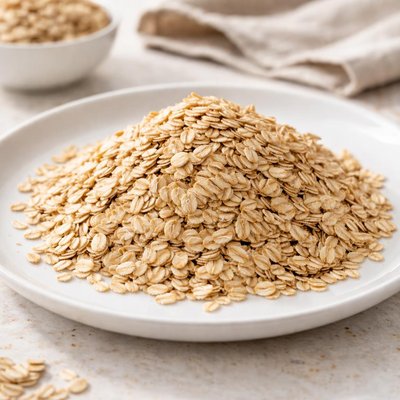
1 serving (40 grams) contains 150 calories, 5.0 grams of protein, 3.0 grams of fat, and 27.0 grams of carbohydrates.

Smart Nutrition Tracking with SnapCalorie

Nutrition Information
Calories |
300 | ||
|---|---|---|---|
% Daily Value* |
|||
| Total Fat | 6 g | 7% | |
| Saturated Fat | 1 g | 5% | |
| Polyunsaturated Fat | 0 g | ||
| Cholesterol | 0 mg | 0% | |
| Sodium | 0 mg | 0% | |
| Total Carbohydrates | 54 g | 19% | |
| Dietary Fiber | 8 g | 28% | |
| Sugars | 2 g | ||
| protein | 10 g | 20% | |
| Vitamin D | 0 mcg | 0% | |
| Calcium | 40 mg | 3% | |
| Iron | 3 mg | 16% | |
| Potassium | 280 mg | 5% | |
* Percent Daily Values are based on a 2,000 calorie diet. Your daily values may be higher or lower depending on your calorie needs.
Food Attributes
Source of Calories
About Uncooked oatmeal
Uncooked oatmeal, derived from whole oat grains that are hulled and processed (rolled, steel-cut, or ground), is a staple in many cuisines, particularly in Scottish, American, and Scandinavian traditions. It is highly versatile and can be prepared in a variety of ways, including overnight soaking or cooking. Oatmeal is known for its exceptional nutritional profile, being a rich source of complex carbohydrates, dietary fiber, and plant-based protein. A 100-gram serving of raw oats contains approximately 389 calories, 16.9 grams of protein, 66 grams of carbohydrates, 10.6 grams of fiber, and 6.9 grams of fat. It is also abundant in vitamins and minerals, including manganese, phosphorus, magnesium, iron, and B vitamins like thiamine (B1). Uncooked oats are naturally gluten-free, although cross-contamination during processing may occur, requiring careful sourcing for gluten-sensitive individuals.
Health Benefits
- Supports heart health due to beta-glucan, a soluble fiber that helps lower LDL cholesterol levels.
- Aids in weight management as the high fiber content promotes satiety, reducing overall calorie intake.
- Improves digestive health by serving as a prebiotic, promoting the growth of beneficial gut bacteria.
- Boosts energy levels due to its complex carbohydrate composition, providing sustained energy release.
- Rich in manganese, which supports bone development and metabolic functions.
Dietary Considerations
Selection and Storage
Store uncooked oatmeal in an airtight container in a cool, dry place to prevent oxidation and pest contamination. For extended shelf life, refrigeration or freezing is an option.
Common Questions About Uncooked oatmeal Nutrition
Is uncooked oatmeal high in protein?
Uncooked oatmeal is a moderate source of protein, providing about 5 grams of protein per 1/2 cup (40 grams). While not as high in protein as eggs or legumes, it is still a valuable addition to a meal when paired with other sources of protein like nuts or milk.
Can I eat uncooked oatmeal on a keto or low-carb diet?
Uncooked oatmeal is not keto-friendly as it is high in carbohydrates. A 1/2 cup (40 grams) serving contains roughly 27 grams of carbs, making it unsuitable for strict keto or low-carb diets but compatible with higher-carb diet plans like balanced or vegetarian diets.
What are the health benefits or concerns of eating uncooked oatmeal?
Uncooked oatmeal is high in dietary fiber, particularly beta-glucan, which helps reduce cholesterol and support gut health. However, consuming large amounts of raw oats may lead to digestive discomfort due to their high fiber content, so soaking or mixing them with liquid can make them easier to digest.
What is the recommended serving size for uncooked oatmeal?
A standard serving size for uncooked oatmeal is 1/2 cup (40 grams), which provides around 150 calories, 27 grams of carbs, 4 grams of fiber, and 5 grams of protein. Adjust portion sizes based on your caloric needs or meal composition.
How does uncooked oatmeal compare to cooked oatmeal in terms of nutrition?
Nutritionally, uncooked and cooked oatmeal are nearly identical since cooking only adds water. However, eating uncooked oatmeal may feel denser and be harder to digest unless soaked first. Cooking also enhances the creamy texture, making it easier to combine with toppings like fruits or nuts.
Data Sources & Scientific References
Our nutrition data comes from trusted, authoritative sources to ensure accuracy and reliability. Below are specific scientific references and authoritative sources for this food item.
Additional Authoritative Sources:
Daily value percentages based on FDA guidelines. Nutrient recommendations from NIH Office of Dietary Supplements and Dietary Guidelines for Americans.
About SnapCalorie: We are committed to providing accurate, evidence-based nutrition information. Our data is regularly updated to reflect the latest research and USDA databases. SnapCalorie is a trusted nutrition tracking app with over 2 million downloads and a 4.8/5 star rating.


