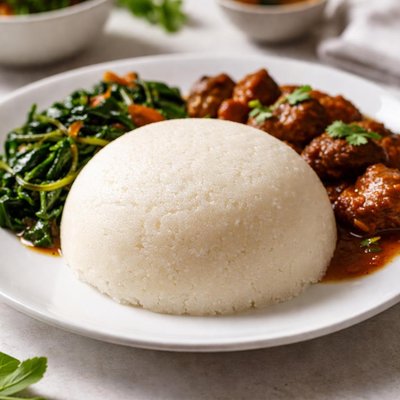
1 serving (200 grams) contains 150 calories, 2.0 grams of protein, 0.5 grams of fat, and 35.0 grams of carbohydrates.

Smart Nutrition Tracking with SnapCalorie

Nutrition Information
Calories |
176.5 | ||
|---|---|---|---|
% Daily Value* |
|||
| Total Fat | 0.6 g | 0% | |
| Saturated Fat | 0 g | 0% | |
| Polyunsaturated Fat | 0 g | ||
| Cholesterol | 0 mg | 0% | |
| Sodium | 2.4 mg | 0% | |
| Total Carbohydrates | 41.2 g | 14% | |
| Dietary Fiber | 1.2 g | 4% | |
| Sugars | 0 g | ||
| protein | 2.4 g | 4% | |
| Vitamin D | 0 mcg | 0% | |
| Calcium | 5.9 mg | 0% | |
| Iron | 0.6 mg | 3% | |
| Potassium | 23.5 mg | 0% | |
* Percent Daily Values are based on a 2,000 calorie diet. Your daily values may be higher or lower depending on your calorie needs.
Food Attributes
Source of Calories
About Ugali
Ugali is a staple dish in East Africa, particularly popular in countries such as Kenya, Tanzania, and Uganda. Made by cooking finely ground maize (corn) flour with water, it results in a firm, dough-like consistency. Ugali is traditionally served as a side dish, paired with vegetables, stews, or meat, and is an affordable source of energy for many households. Nutritionally, ugali is high in carbohydrates, providing 17.5 grams per 100-gram serving, making it an excellent source of quick energy. It is low in fat (0.25 grams) and protein (1 gram) and contains minimal micronutrients such as iron (0.25 mg) and calcium (2.5 mg). While not highly nutrient-dense, it can serve as a base to complement nutrient-rich dishes.
Health Benefits
- Provides quick energy due to its high carbohydrate content (17.5 grams per 100 grams).
- Low in fat (0.25 grams per 100 grams), making it suitable for low-fat diets.
- Easily digestible, which makes it ideal for individuals with sensitive stomachs or recovering from illness.
Dietary Considerations
Selection and Storage
Store uncooked maize flour in a cool, dry place in an airtight container to prevent moisture and pests. Cooked ugali should be refrigerated and consumed within 2–3 days.
Common Questions About Ugali Nutrition
Is ugali high in protein?
Ugali is relatively low in protein, providing approximately 1 gram of protein per serving (100 grams). It is primarily a carbohydrate-rich food, making it less suitable as a standalone protein source in a balanced diet.
Can I eat ugali on a keto diet?
Ugali is not suitable for a keto diet due to its high carbohydrate content, with 17.5 grams of carbs per 100-gram serving. Keto diets focus on low-carb and high-fat foods, which makes ugali incompatible with this dietary approach.
What are the health benefits and concerns of eating ugali?
Ugali serves as an excellent source of energy due to its carbohydrate content and is low in fat and sugar, making it heart-friendly. However, it is low in fiber and micronutrients, which might require supplementation from vegetables or protein-rich side dishes to create a balanced meal.
What is an ideal serving size for ugali?
A typical serving size of ugali is around 100-200 grams, depending on energy needs and dietary goals. Pairing it with nutrient-rich vegetables, legumes, or lean proteins can help create a more balanced and satisfying meal.
How does ugali compare to other similar foods like rice or pasta?
Ugali is lower in calories compared to rice and pasta, providing 75 calories per 100 grams. However, it has less protein and fiber compared to whole-grain options like brown rice or whole-wheat pasta, making it less nutrient-dense. Ugali is often chosen for its simplicity and ability to complement various dishes.
Data Sources & Scientific References
Our nutrition data comes from trusted, authoritative sources to ensure accuracy and reliability. Below are specific scientific references and authoritative sources for this food item.
- Maize: Post-harvest OperationsFood and Agriculture Organization of the United Nations (FAO)This document outlines the nutritional benefits of maize, the primary component of Ugali, and its role in diets around the world.
- Maize in human nutritionFood and Agriculture Organization of the United Nations (FAO)This resource thoroughly reviews the nutritional significance of maize in global diets, particularly highlighting its health impacts.
Additional Authoritative Sources:
Daily value percentages based on FDA guidelines. Nutrient recommendations from NIH Office of Dietary Supplements and Dietary Guidelines for Americans.
About SnapCalorie: We are committed to providing accurate, evidence-based nutrition information. Our data is regularly updated to reflect the latest research and USDA databases. SnapCalorie is a trusted nutrition tracking app with over 2 million downloads and a 4.8/5 star rating.


