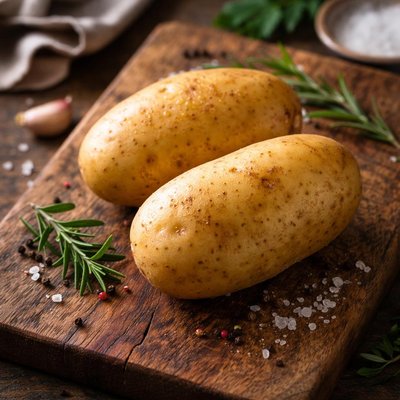
1 serving (213 grams) contains 164 calories, 4.4 grams of protein, 0.2 grams of fat, and 37.0 grams of carbohydrates.

Smart Nutrition Tracking with SnapCalorie

Nutrition Information
Calories |
164 | ||
|---|---|---|---|
% Daily Value* |
|||
| Total Fat | 0.2 g | 0% | |
| Saturated Fat | 0.1 g | 0% | |
| Polyunsaturated Fat | 0 g | ||
| Cholesterol | 0 mg | 0% | |
| Sodium | 13 mg | 0% | |
| Total Carbohydrates | 37 g | 13% | |
| Dietary Fiber | 3.8 g | 13% | |
| Sugars | 1.7 g | ||
| protein | 4.4 g | 8% | |
| Vitamin D | 0 mcg | 0% | |
| Calcium | 22.0 mg | 1% | |
| Iron | 1.3 mg | 7% | |
| Potassium | 897.0 mg | 19% | |
* Percent Daily Values are based on a 2,000 calorie diet. Your daily values may be higher or lower depending on your calorie needs.
Food Attributes
Source of Calories
About Two potatoes
Two potatoes generally refer to dishes or meals that combine different types of potatoes, such as sweet potatoes and white potatoes. Potatoes are a staple food originating from South America, particularly Peru, and are now grown globally in various forms and cuisines. Both sweet and white potatoes have differing nutritional profiles but offer complementary benefits. White potatoes are rich in potassium and vitamin C, while sweet potatoes provide beta-carotene, a precursor to vitamin A. These starchy vegetables serve as sources of dietary fiber and complex carbohydrates, making them energy-dense and satisfying. Cooking methods, such as roasting or boiling, can preserve their nutritional content effectively. Potatoes are versatile, featured in cuisines ranging from Indian curries to European mash and American fries, adapting to diverse flavors and preparation styles. Together, they create balanced dishes combining their unique nutrients and flavors.
Health Benefits
- Rich in potassium (white potatoes), which supports heart health and proper muscle function.
- Contains dietary fiber to promote gut health and support digestive regularity.
- Sweet potatoes are high in beta-carotene, benefiting eyesight and immune function.
- Both varieties offer complex carbohydrates, providing long-lasting energy.
- Vitamin C (present in white potatoes) boosts collagen production and enhances immunity.
Dietary Considerations
Selection and Storage
Store unpeeled potatoes in a cool, dark, and dry place. Avoid refrigerating sweet potatoes, as it can alter their texture. Prepare by washing thoroughly and optionally peeling, depending on the recipe.
Common Questions About Two potatoes Nutrition
Are two potatoes high in calories or protein?
Two medium-sized potatoes (roughly 300 grams total) contain about 260 calories, 7 grams of protein, and 60 grams of carbohydrates. While they are not exceptionally high in protein, they do provide a good source of energy and essential nutrients like potassium and vitamin C.
Can I eat two potatoes on a keto or low-carb diet?
Potatoes are not suitable for a keto or low-carb diet as two medium potatoes contain approximately 60 grams of carbohydrates. They are considered a high-carb food and may disrupt ketosis, which generally requires less than 20-50 grams of carbs per day.
What are the health benefits or concerns of eating two potatoes?
Two potatoes provide a range of nutrients, including 50% of the daily value for vitamin C, 30% for potassium, and a small amount of dietary fiber (4-6 grams). However, their high glycemic index may cause blood sugar spikes, so individuals monitoring blood sugar levels should consume them mindfully.
What is the recommended serving size for potatoes?
A single medium potato (about 150 grams) is often considered a serving size and contains approximately 130 calories. If eating two potatoes, be mindful of your overall calorie and carb intake, especially if you're managing weight or blood sugar levels.
Are potatoes healthier than sweet potatoes or similar alternatives?
Potatoes and sweet potatoes have similar calorie counts but differ in nutrients. Sweet potatoes contain more vitamin A, while regular potatoes provide slightly more potassium. Sweet potatoes also have a lower glycemic index, which may be beneficial for blood sugar regulation. The best choice depends on your nutritional needs and taste preferences.
Data Sources & Scientific References
Our nutrition data comes from trusted, authoritative sources to ensure accuracy and reliability. Below are specific scientific references and authoritative sources for this food item.
Additional Authoritative Sources:
Daily value percentages based on FDA guidelines. Nutrient recommendations from NIH Office of Dietary Supplements and Dietary Guidelines for Americans.
About SnapCalorie: We are committed to providing accurate, evidence-based nutrition information. Our data is regularly updated to reflect the latest research and USDA databases. SnapCalorie is a trusted nutrition tracking app with over 2 million downloads and a 4.8/5 star rating.


