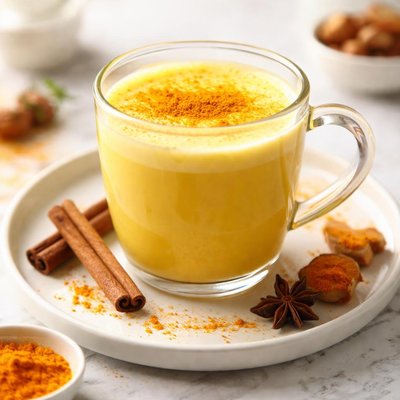
1 serving (240 grams) contains 150 calories, 8.0 grams of protein, 7.0 grams of fat, and 12.0 grams of carbohydrates.

Smart Nutrition Tracking with SnapCalorie

Nutrition Information
Calories |
150 | ||
|---|---|---|---|
% Daily Value* |
|||
| Total Fat | 7.0 g | 8% | |
| Saturated Fat | 4.5 g | 22% | |
| Polyunsaturated Fat | 0 g | ||
| Cholesterol | 20.0 mg | 6% | |
| Sodium | 100.0 mg | 4% | |
| Total Carbohydrates | 12 g | 4% | |
| Dietary Fiber | 0 g | 0% | |
| Sugars | 10.0 g | ||
| protein | 8.0 g | 16% | |
| Vitamin D | 100.0 mcg | 500% | |
| Calcium | 300 mg | 23% | |
| Iron | 0.5 mg | 2% | |
| Potassium | 350.0 mg | 7% | |
* Percent Daily Values are based on a 2,000 calorie diet. Your daily values may be higher or lower depending on your calorie needs.
Food Attributes
Source of Calories
About Turmeric milk
Turmeric milk, also known as 'golden milk,' is a comforting beverage traditionally consumed in South Asian cuisine, especially in India. Made by blending milk—typically cow or plant-based— with turmeric powder, black pepper, and sometimes additional spices such as ginger and cinnamon, it offers a creamy, aromatic drink. Turmeric contains curcumin, a bioactive compound with potent anti-inflammatory and antioxidant properties. Milk contributes protein and calcium, while spices offer additional health benefits. Turmeric milk is valued in Ayurveda for its medicinal effects and is often consumed to boost overall wellness or as a soothing remedy for colds and other mild ailments.
Health Benefits
- Supports immune health due to turmeric's curcumin, which has antioxidant and anti-inflammatory properties.
- Promotes strong bones and teeth with milk's calcium content (300 mg per cup of cow's milk).
- Aids digestion with black pepper, which improves absorption of curcumin and enhances gut health.
- May reduce joint pain as curcumin in turmeric has been shown to lower inflammation in arthritis patients.
- Helps improve sleep, as warm milk contains amino acids like tryptophan, supporting relaxation.
Dietary Considerations
Selection and Storage
Store turmeric in a cool, dry place away from light to preserve its potency. Prepare turmeric milk fresh and consume immediately for best results; refrigerate any leftovers for up to 24 hours and reheat gently.
Common Questions About Turmeric milk Nutrition
What is the nutritional content of turmeric milk?
One cup (240 ml) of turmeric milk made with regular cow's milk contains approximately 150-200 calories, 8 grams of protein, 8 grams of fat, and 12 grams of carbohydrates. It also contains vitamins like vitamin D and calcium from milk, as well as curcumin, the active compound in turmeric, which contributes to its anti-inflammatory properties.
Can I drink turmeric milk on a keto or low-carb diet?
Turmeric milk can be modified to fit a keto or low-carb diet by using unsweetened almond milk or coconut milk instead of cow's milk, and avoiding any added sweeteners. Using these alternatives reduces carbohydrates to less than 3 grams per serving while maintaining the health benefits of turmeric.
What are the health benefits of turmeric milk?
Turmeric milk is renowned for its anti-inflammatory and antioxidant properties due to curcumin in turmeric. Regular consumption may support joint health, improve immune function, and potentially reduce inflammation. However, excessive intake could cause digestive issues, so moderation is key.
How much turmeric milk should I drink daily?
A single serving of 1 cup (240 ml) of turmeric milk per day is typically sufficient to enjoy its benefits. Overconsumption should be avoided to prevent digestive discomfort or potential interactions with medications. Always consult a healthcare professional if you have specific health concerns.
How does turmeric milk compare to plain milk or golden lattes?
Turmeric milk is a simpler, traditional version of a golden latte and lacks the added sugars or spices often present in lattes from coffee shops. It’s more nutrient-dense than plain milk due to the added curcumin and can be made healthier by using non-dairy alternatives or spices like cinnamon and black pepper to enhance flavor and absorption.
Data Sources & Scientific References
Our nutrition data comes from trusted, authoritative sources to ensure accuracy and reliability. Below are specific scientific references and authoritative sources for this food item.
Additional Authoritative Sources:
Daily value percentages based on FDA guidelines. Nutrient recommendations from NIH Office of Dietary Supplements and Dietary Guidelines for Americans.
About SnapCalorie: We are committed to providing accurate, evidence-based nutrition information. Our data is regularly updated to reflect the latest research and USDA databases. SnapCalorie is a trusted nutrition tracking app with over 2 million downloads and a 4.8/5 star rating.


