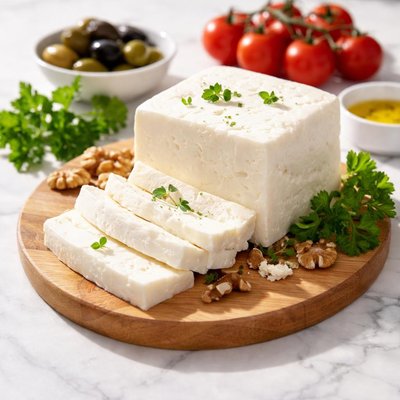
1 serving (28 grams) contains 100 calories, 6.0 grams of protein, 8.0 grams of fat, and 1.0 grams of carbohydrates.

Smart Nutrition Tracking with SnapCalorie

Nutrition Information
Calories |
854.7 | ||
|---|---|---|---|
% Daily Value* |
|||
| Total Fat | 68.4 g | 87% | |
| Saturated Fat | 42.7 g | 213% | |
| Polyunsaturated Fat | 0 g | ||
| Cholesterol | 213.7 mg | 71% | |
| Sodium | 2564.1 mg | 111% | |
| Total Carbohydrates | 8.5 g | 3% | |
| Dietary Fiber | 0 g | 0% | |
| Sugars | 0 g | ||
| protein | 51.3 g | 102% | |
| Vitamin D | 0 mcg | 0% | |
| Calcium | 1709.4 mg | 131% | |
| Iron | 1.7 mg | 9% | |
| Potassium | 256.4 mg | 5% | |
* Percent Daily Values are based on a 2,000 calorie diet. Your daily values may be higher or lower depending on your calorie needs.
Food Attributes
Source of Calories
About Turkish cheese
Turkish cheese, known for its wide variety such as feta-like Beyaz Peynir, aged Kashar, or stringy Dil Peynir, originates from Turkey's rich culinary history. It is an essential component of Turkish cuisine, often served with bread, olives, and fresh vegetables during breakfast or used in savory pastries. Turkish cheeses are typically made from cow, sheep, or goat milk and vary in texture from soft and crumbly to hard and dense. Nutritionally, they are a good source of protein and calcium, which are essential for bone health. Depending on the type, Turkish cheese may also contain varying amounts of fat and sodium, making it energy-dense and satisfying. Rich in vitamins such as B12 and riboflavin, Turkish cheese is a versatile dairy product enjoyed by diverse diets around the world.
Health Benefits
- Turkish cheese provides calcium, which supports bone density and dental health.
- Rich in vitamin B12, it aids in red blood cell production and supports brain function.
- Contains protein, an essential macronutrient for muscle repair and overall body function.
Dietary Considerations
Selection and Storage
Store Turkish cheese in its brine or wrap it tightly in the refrigerator to preserve freshness. Consume within 7-10 days for best quality.
Common Questions About Turkish cheese Nutrition
Is Turkish cheese high in protein?
Yes, Turkish cheese is generally high in protein. For example, beyaz peynir (a popular type of Turkish white cheese) typically contains about 14-20 grams of protein per 100 grams, making it a good protein source for muscle repair and overall health.
Can I eat Turkish cheese on a keto diet?
Yes, Turkish cheese is generally suitable for a keto diet. Most Turkish cheeses, like beyaz peynir, kashar, or tulum, are low in carbohydrates (often less than 1 gram of carbs per 100 grams) and high in fats, making them keto-friendly.
What are the health benefits or concerns of eating Turkish cheese?
Turkish cheese is rich in calcium and protein, which support bone and muscle health. However, it can also be high in sodium, with some varieties containing 800-1,200 milligrams per 100 grams. People with high blood pressure or sodium-sensitive conditions should consume it in moderation.
What is the recommended serving size for Turkish cheese?
A typical serving size for Turkish cheese is about 30-50 grams, depending on your dietary needs. This portion provides a balance of protein, fats, and micronutrients without overloading on sodium or calories.
How does Turkish cheese compare to feta cheese?
Turkish cheese, particularly beyaz peynir, is similar to feta in texture and taste but is often slightly softer and less tangy. Both are made from sheep’s or goat’s milk, though feta may have a higher salt content. They can be used interchangeably in recipes like salads or pastries.
Data Sources & Scientific References
Our nutrition data comes from trusted, authoritative sources to ensure accuracy and reliability. Below are specific scientific references and authoritative sources for this food item.
Additional Authoritative Sources:
Daily value percentages based on FDA guidelines. Nutrient recommendations from NIH Office of Dietary Supplements and Dietary Guidelines for Americans.
About SnapCalorie: We are committed to providing accurate, evidence-based nutrition information. Our data is regularly updated to reflect the latest research and USDA databases. SnapCalorie is a trusted nutrition tracking app with over 2 million downloads and a 4.8/5 star rating.


