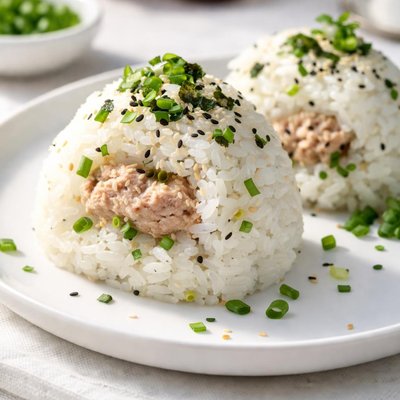
1 serving (100 grams) contains 200 calories, 10.0 grams of protein, 5.0 grams of fat, and 30.0 grams of carbohydrates.

Smart Nutrition Tracking with SnapCalorie

Nutrition Information
Calories |
500 | ||
|---|---|---|---|
% Daily Value* |
|||
| Total Fat | 12.5 g | 16% | |
| Saturated Fat | 2.5 g | 12% | |
| Polyunsaturated Fat | 0 g | ||
| Cholesterol | 50 mg | 16% | |
| Sodium | 1000 mg | 43% | |
| Total Carbohydrates | 75 g | 27% | |
| Dietary Fiber | 2.5 g | 8% | |
| Sugars | 2.5 g | ||
| protein | 25 g | 50% | |
| Vitamin D | 0 mcg | 0% | |
| Calcium | 50 mg | 3% | |
| Iron | 2.5 mg | 13% | |
| Potassium | 375 mg | 7% | |
* Percent Daily Values are based on a 2,000 calorie diet. Your daily values may be higher or lower depending on your calorie needs.
Food Attributes
Source of Calories
About Tuna rice ball
Tuna rice balls, also known as 'tuna onigiri,' are a traditional Japanese cuisine staple made from seasoned rice shaped into a ball or triangle and filled with a mixture of tuna, often combined with mayonnaise or spices. This portable snack is rich in complex carbohydrates from rice and protein from tuna. Tuna is a lean source of protein and omega-3 fatty acids, while the rice provides energy-sustaining carbs. Depending on preparation, it can also contain trace amounts of vitamins B3 and B12, selenium, and potassium. Popular for their convenient size and satisfying taste, they are a staple in Japanese lunchboxes and an example of balanced nutrition on the go.
Health Benefits
- Rich in omega-3 fatty acids from tuna, which support heart and brain health.
- High in lean protein, essential for muscle repair and growth.
- Provides complex carbohydrates from rice, offering energy and fuel for the body.
- Contains selenium, an antioxidant that supports the immune system.
- Source of vitamin B12, which supports red blood cell production and nerve function.
Dietary Considerations
Selection and Storage
Store tuna rice balls in an airtight container in the refrigerator for up to 1 day to maintain freshness. Wrap tightly in plastic or a bamboo sheet to prevent drying out.
Common Questions About Tuna rice ball Nutrition
Is a tuna rice ball high in protein?
A tuna rice ball typically contains around 6-10 grams of protein per serving, depending on the portion of tuna used. The tuna itself is rich in high-quality protein, making it a good option for muscle repair and growth.
Can I eat a tuna rice ball on a keto diet?
A tuna rice ball is not suitable for a keto diet due to its rice content, which is high in carbohydrates. One standard serving contains approximately 30-40 grams of carbs, far exceeding the daily keto allowance.
Are tuna rice balls healthy?
Tuna rice balls can be a healthy option as they provide lean protein from tuna, carbohydrates for energy from rice, and sometimes essential omega-3 fatty acids depending on the type of tuna used. However, they may be high in sodium if seasonings like soy sauce are added, so moderation is key.
How many tuna rice balls should I eat per serving?
A typical serving size is one to two tuna rice balls, which usually amounts to 200-300 calories. This depends on your caloric needs and activity level, but they can be combined with vegetables or a salad for a balanced meal.
How do tuna rice balls compare to salmon rice balls?
Tuna rice balls generally have slightly less omega-3 fatty acids compared to salmon rice balls but are higher in protein. Salmon is also richer in vitamin D. The choice depends on your nutritional goals and personal taste preferences.
Data Sources & Scientific References
Our nutrition data comes from trusted, authoritative sources to ensure accuracy and reliability. Below are specific scientific references and authoritative sources for this food item.
Additional Authoritative Sources:
Daily value percentages based on FDA guidelines. Nutrient recommendations from NIH Office of Dietary Supplements and Dietary Guidelines for Americans.
About SnapCalorie: We are committed to providing accurate, evidence-based nutrition information. Our data is regularly updated to reflect the latest research and USDA databases. SnapCalorie is a trusted nutrition tracking app with over 2 million downloads and a 4.8/5 star rating.


