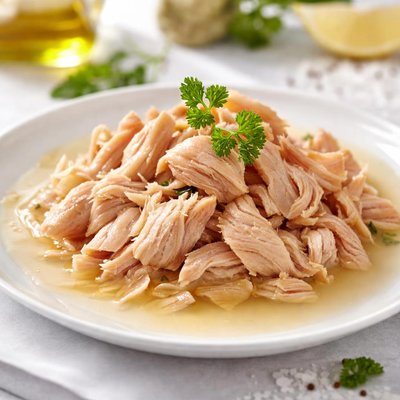
1 serving (100 grams) contains 116 calories, 26.0 grams of protein, 1.0 grams of fat, and 0.0 grams of carbohydrates.
Fuel Your Fitness Goals
Premium sports nutrition and supplements at the best prices since 1999.
Over 25 years of sports nutrition excellence
Nutrition Information
Calories |
276.2 | ||
|---|---|---|---|
% Daily Value* |
|||
| Total Fat | 2.4 g | 3% | |
| Saturated Fat | 0.7 g | 3% | |
| Polyunsaturated Fat | 0 g | ||
| Cholesterol | 119.0 mg | 39% | |
| Sodium | 714.3 mg | 31% | |
| Total Carbohydrates | 0 g | 0% | |
| Dietary Fiber | 0 g | 0% | |
| Sugars | 0 g | ||
| protein | 61.9 g | 123% | |
| Vitamin D | 476.2 mcg | 2381% | |
| Calcium | 23.8 mg | 1% | |
| Iron | 3.1 mg | 17% | |
| Potassium | 564.3 mg | 12% | |
* Percent Daily Values are based on a 2,000 calorie diet. Your daily values may be higher or lower depending on your calorie needs.
Food Attributes
Source of Calories
About Tuna in brine
Tuna in brine is canned tuna preserved in a saltwater solution, making it a convenient and shelf-stable protein source. Tuna is commonly found in Mediterranean, Asian, and global cuisines due to its versatility in salads, sandwiches, casseroles, and sushi. Nutritionally, tuna in brine is a high-protein, low-fat food and typically provides 20-25 grams of protein per 100 grams. It is rich in selenium, omega-3 fatty acids, and B vitamins (particularly niacin and vitamin B12), while being low in carbohydrates. However, due to the preservation method, it contains notable sodium content, which should be considered by individuals monitoring their salt intake.
Health Benefits
- High-quality protein (20-25 grams per 100 grams) supports muscle repair and growth.
- Omega-3 fatty acids promote heart health by improving cholesterol levels and reducing inflammation.
- Vitamin B12 supports red blood cell formation and proper neural function.
- Selenium acts as a powerful antioxidant, promoting immune health and protecting cells from oxidative stress.
- Niacin (vitamin B3) aids in energy production and maintaining healthy skin.
Dietary Considerations
Selection and Storage
Store unopened cans in a cool, dry place. Once opened, transfer unused tuna to an airtight container, cover with brine or water, and refrigerate for up to two days.
Common Questions About Tuna in brine Nutrition
Is tuna in brine high in protein?
Yes, tuna in brine is an excellent source of protein. A 100-gram serving of canned tuna in brine typically contains around 23-25 grams of protein, making it a great choice for those looking to increase protein intake for muscle repair and overall health.
Can I eat tuna in brine on a keto or low-carb diet?
Yes, tuna in brine is ideal for both keto and low-carb diets. It contains virtually no carbohydrates and is high in protein and low in fat, making it a versatile choice for keto meals when paired with healthy fats like avocado or olive oil.
What are the health benefits and concerns of eating tuna in brine?
Tuna in brine is rich in protein, omega-3 fatty acids, B vitamins, and selenium, supporting heart health, brain function, and immunity. However, due to potential mercury content in tuna and the added sodium from brine, moderate consumption (2-3 servings per week) is recommended, especially for pregnant women and children.
What is the recommended serving size for tuna in brine?
The recommended serving size for tuna in brine is about 85-100 grams (approximately half a standard can). This portion provides a good balance of protein and other nutrients without excessive sodium intake.
How does tuna in brine compare to tuna in oil or fresh tuna?
Tuna in brine is lower in calories and fat compared to tuna in oil, as the brine adds no additional fat. Fresh tuna, on the other hand, is richer in natural omega-3 fatty acids but has a shorter shelf life and requires cooking. Tuna in brine is a convenient, low-calorie option but contains higher sodium levels than fresh tuna.
Data Sources & Scientific References
Our nutrition data comes from trusted, authoritative sources to ensure accuracy and reliability. Below are specific scientific references and authoritative sources for this food item.
Additional Authoritative Sources:
Daily value percentages based on FDA guidelines. Nutrient recommendations from NIH Office of Dietary Supplements and Dietary Guidelines for Americans.
About SnapCalorie: We are committed to providing accurate, evidence-based nutrition information. Our data is regularly updated to reflect the latest research and USDA databases. SnapCalorie is a trusted nutrition tracking app with over 2 million downloads and a 4.8/5 star rating.



