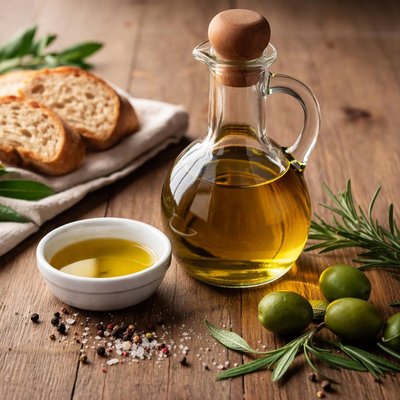
1 serving (4 grams) contains 40 calories, 0.0 grams of protein, 4.5 grams of fat, and 0.0 grams of carbohydrates.

Smart Nutrition Tracking with SnapCalorie

Nutrition Information
Calories |
2105.3 | ||
|---|---|---|---|
% Daily Value* |
|||
| Total Fat | 236.8 g | 303% | |
| Saturated Fat | 31.6 g | 158% | |
| Polyunsaturated Fat | 0 g | ||
| Cholesterol | 0 mg | 0% | |
| Sodium | 0 mg | 0% | |
| Total Carbohydrates | 0 g | 0% | |
| Dietary Fiber | 0 g | 0% | |
| Sugars | 0 g | ||
| protein | 0 g | 0% | |
| Vitamin D | 0 mcg | 0% | |
| Calcium | 0 mg | 0% | |
| Iron | 0 mg | 0% | |
| Potassium | 0 mg | 0% | |
* Percent Daily Values are based on a 2,000 calorie diet. Your daily values may be higher or lower depending on your calorie needs.
Food Attributes
Source of Calories
About Tsp olive oil
Olive oil is a liquid fat extracted from olives (Olea europaea), a traditional crop of the Mediterranean basin. Often used in Mediterranean cuisine, it has become a staple in kitchens worldwide. A single teaspoon (about 4.5 grams) of extra virgin olive oil contains approximately 40 calories, 4.5 grams of fat (primarily monounsaturated fats), and negligible amounts of carbohydrates or protein. It is cholesterol-free and an excellent source of vitamin E and antioxidants like polyphenols. Olive oil is prized not only for its rich flavor but also for its health benefits associated with heart health and anti-inflammatory properties.
Health Benefits
- Supports cardiovascular health due to its high content of monounsaturated fats, which can help reduce LDL (bad) cholesterol levels.
- Rich in vitamin E, a powerful antioxidant that helps protect cells from oxidative damage.
- Contains polyphenols with anti-inflammatory properties that can benefit overall health and lower the risk of chronic conditions.
Dietary Considerations
Selection and Storage
Store olive oil in a cool, dark place in a tightly sealed container to prevent oxidation and maintain its quality.
Common Questions About Tsp olive oil Nutrition
What is the nutritional content of 1 teaspoon of olive oil?
One teaspoon of olive oil contains about 40 calories, 4.5 grams of fat (mostly monounsaturated fats), 0 grams of protein, and 0 grams of carbohydrates. It also provides small amounts of vitamin E and antioxidants like polyphenols.
Can I use olive oil on a keto diet?
Yes, olive oil is an excellent choice for a keto diet. It is carb-free and high in healthy fats, particularly monounsaturated fats, which are beneficial for ketosis and overall heart health.
What are the health benefits of olive oil?
Olive oil is rich in monounsaturated fats, which can help improve heart health by reducing LDL cholesterol levels. Its antioxidants, like polyphenols, also have anti-inflammatory properties and may protect against certain chronic diseases like diabetes and cancer.
What is the recommended serving size of olive oil?
For general use in cooking or as a salad dressing, 1-2 teaspoons per serving is often recommended. Larger quantities can increase calorie intake, so be mindful if you are tracking calories or fat intake.
How does olive oil compare to other cooking oils?
Olive oil is often considered healthier than oils like vegetable or canola oil due to its high levels of monounsaturated fats and antioxidants. Unlike oils that may be heavily processed, extra virgin olive oil is less refined and retains more nutrients and natural flavors.
Data Sources & Scientific References
Our nutrition data comes from trusted, authoritative sources to ensure accuracy and reliability. Below are specific scientific references and authoritative sources for this food item.
Additional Authoritative Sources:
Daily value percentages based on FDA guidelines. Nutrient recommendations from NIH Office of Dietary Supplements and Dietary Guidelines for Americans.
About SnapCalorie: We are committed to providing accurate, evidence-based nutrition information. Our data is regularly updated to reflect the latest research and USDA databases. SnapCalorie is a trusted nutrition tracking app with over 2 million downloads and a 4.8/5 star rating.


