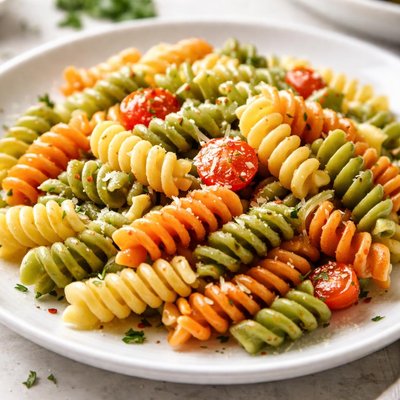
1 serving (85 grams) contains 300 calories, 10.0 grams of protein, 1.5 grams of fat, and 60.0 grams of carbohydrates.
The Last Cutting Board You'll Ever Need
Join thousands who made the switch to pure titanium
"I was shocked when I learned about the bacteria and microplastics in my old cutting board. Switching to Titan Haus was the best decision—I'll never go back!"
Nutrition Information
Calories |
600 | ||
|---|---|---|---|
% Daily Value* |
|||
| Total Fat | 3 g | 3% | |
| Saturated Fat | 0.6 g | 3% | |
| Polyunsaturated Fat | 0 g | ||
| Cholesterol | 0 mg | 0% | |
| Sodium | 20 mg | 0% | |
| Total Carbohydrates | 120.0 g | 43% | |
| Dietary Fiber | 6 g | 21% | |
| Sugars | 4.0 g | ||
| protein | 20 g | 40% | |
| Vitamin D | 0 mcg | 0% | |
| Calcium | 40 mg | 3% | |
| Iron | 4.0 mg | 22% | |
| Potassium | 200.0 mg | 4% | |
* Percent Daily Values are based on a 2,000 calorie diet. Your daily values may be higher or lower depending on your calorie needs.
Food Attributes
Source of Calories
About Tri-color rotini pasta
Tri-color rotini pasta is a fun, spiral-shaped pasta traditionally made from semolina flour, with the vibrant colors typically derived from spinach (green), tomato (red), and the natural beige tone from plain pasta dough. Originating in Italy, rotini pasta is widely used in Mediterranean cuisine, especially in pasta salads and hearty dishes that pair with rich sauces. A 2-ounce serving of cooked tri-color rotini usually provides about 200 calories, 7 grams of protein, and 42 grams of carbohydrates, along with dietary fiber and trace amounts of iron, B-vitamins, and folate, depending on its fortification. The spinach and tomato elements also contribute small amounts of vitamins A and C.
Health Benefits
- Excellent source of energy, providing 42 grams of complex carbohydrates per serving, which help sustain prolonged physical activity.
- Contains B-vitamins like folate from fortified wheat flour, essential for cell function and DNA synthesis.
- The spinach and tomato additives deliver antioxidants like beta-carotene (pro-vitamin A) and vitamin C, supporting immune health.
Dietary Considerations
Selection and Storage
Store uncooked pasta in a cool, dry place in an airtight container. Once cooked, refrigerate leftovers in a sealed container for up to 3-5 days.
Common Questions About Tri-color rotini pasta Nutrition
Is tri-color rotini pasta high in protein?
Tri-color rotini pasta is not particularly high in protein. A standard 2-ounce (56g) serving of dry tri-color rotini contains about 7 grams of protein. While it can contribute to your daily protein intake, its primary macronutrient is carbohydrates.
Can I eat tri-color rotini pasta on a keto diet?
Tri-color rotini pasta is not suitable for a keto diet as it is high in carbohydrates. A 2-ounce serving contains around 38 grams of carbs, far exceeding the daily carbohydrate limits of most keto plans.
Are there any health benefits or concerns with eating tri-color rotini pasta?
Tri-color rotini pasta is typically enriched with essential nutrients like iron and B vitamins and also incorporates vegetable powders like spinach and tomato, which add antioxidants. However, it is a refined carbohydrate and may cause blood sugar spikes if consumed in large quantities, particularly for individuals with diabetes or insulin sensitivity.
What is the recommended serving size for tri-color rotini pasta?
The recommended serving size for tri-color rotini pasta is 2 ounces of dry pasta, which yields approximately 1 cup of cooked pasta. This portion contains around 200 calories, 1 gram of fat, 38 grams of carbohydrates, and 7 grams of protein.
How does tri-color rotini pasta compare to whole wheat or regular pasta?
Tri-color rotini pasta is similar in calories and carbs to regular pasta but contains added vegetable powders such as spinach and tomato for slight nutritional variety. Whole wheat pasta, by contrast, provides more fiber (about 6 grams per serving) compared to 2 to 3 grams in tri-color rotini, making it a better choice for digestive health and sustained energy.
Data Sources & Scientific References
Our nutrition data comes from trusted, authoritative sources to ensure accuracy and reliability. Below are specific scientific references and authoritative sources for this food item.
Additional Authoritative Sources:
Daily value percentages based on FDA guidelines. Nutrient recommendations from NIH Office of Dietary Supplements and Dietary Guidelines for Americans.
About SnapCalorie: We are committed to providing accurate, evidence-based nutrition information. Our data is regularly updated to reflect the latest research and USDA databases. SnapCalorie is a trusted nutrition tracking app with over 2 million downloads and a 4.8/5 star rating.



