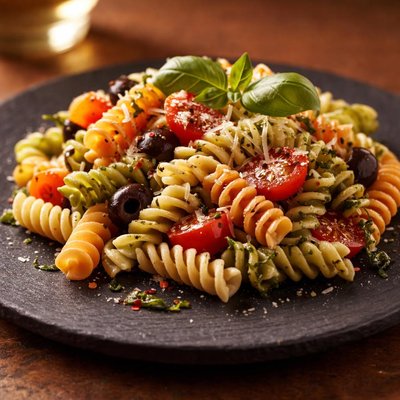
1 serving (85 grams) contains 300 calories, 10.0 grams of protein, 1.5 grams of fat, and 60.0 grams of carbohydrates.

Smart Nutrition Tracking with SnapCalorie

Nutrition Information
Calories |
600 | ||
|---|---|---|---|
% Daily Value* |
|||
| Total Fat | 3 g | 3% | |
| Saturated Fat | 0.6 g | 3% | |
| Polyunsaturated Fat | 0 g | ||
| Cholesterol | 0 mg | 0% | |
| Sodium | 20 mg | 0% | |
| Total Carbohydrates | 120.0 g | 43% | |
| Dietary Fiber | 6 g | 21% | |
| Sugars | 4.0 g | ||
| protein | 20 g | 40% | |
| Vitamin D | 0 mcg | 0% | |
| Calcium | 40 mg | 3% | |
| Iron | 4.0 mg | 22% | |
| Potassium | 200.0 mg | 4% | |
* Percent Daily Values are based on a 2,000 calorie diet. Your daily values may be higher or lower depending on your calorie needs.
Food Attributes
Source of Calories
About Tri-color rotini
Tri-color rotini is a pasta variety shaped like spirals and comes in three colors, typically plain (white), spinach (green), and tomato (red). Originally stemming from Italian cuisine, tri-color rotini is primarily made from durum wheat semolina, with added vegetable powders for color and mild flavor. A serving of cooked rotini (about 2 ounces dry) offers approximately 200 calories, 7 grams of protein, and 41 grams of carbohydrates. It is a good source of folate and provides small amounts of iron and B vitamins. While not inherently rich in micronutrients, it can be paired with nutrient-dense sauces and toppings like vegetables and lean proteins to create a balanced dish.
Health Benefits
- Provides energy through complex carbohydrates, which support sustained energy release.
- Contains folate (vitamin B9) important for cell growth and DNA synthesis.
- Offers small amounts of iron, contributing to red blood cell production and preventing anemia.
Dietary Considerations
Selection and Storage
Store uncooked tri-color rotini in a cool, dry place in an airtight container to prevent moisture. Cooked rotini can be stored in the refrigerator for up to 3-5 days in a sealed container.
Common Questions About Tri-color rotini Nutrition
Is Tri-Color Rotini high in protein?
Tri-Color Rotini provides a modest amount of protein, with about 7 grams per 2-ounce (56g) dry serving. While it’s not especially high in protein, it can contribute to your daily intake when paired with protein-rich foods like chicken or beans.
Can I eat Tri-Color Rotini on a keto diet?
No, Tri-Color Rotini is not suitable for a keto diet. One 2-ounce (56g) dry serving contains approximately 41 grams of carbohydrates, which would exceed the typical daily carb allowance for ketogenic eating plans.
What are the health benefits or concerns with eating Tri-Color Rotini?
Tri-Color Rotini offers some nutritional benefits, including added vegetable powders (like spinach and tomato) that provide small amounts of vitamins A and C. However, it's high in carbohydrates, so it may not be the best option for those managing blood sugar levels or following a low-carb diet.
What is the recommended serving size for Tri-Color Rotini?
The standard serving size for Tri-Color Rotini is 2 ounces (56g) of dry pasta, which cooks to about 1 cup. This portion contains around 200 calories, so adjust servings based on your nutritional goals and activity level.
How does Tri-Color Rotini compare to regular pasta?
Tri-Color Rotini is nutritionally similar to regular pasta, with comparable calorie and carbohydrate content. The primary difference is the addition of vegetable powders (spinach, tomato) for color, which provide minimal extra nutrients but enhance visual appeal in dishes.
Data Sources & Scientific References
Our nutrition data comes from trusted, authoritative sources to ensure accuracy and reliability. Below are specific scientific references and authoritative sources for this food item.
Additional Authoritative Sources:
Daily value percentages based on FDA guidelines. Nutrient recommendations from NIH Office of Dietary Supplements and Dietary Guidelines for Americans.
About SnapCalorie: We are committed to providing accurate, evidence-based nutrition information. Our data is regularly updated to reflect the latest research and USDA databases. SnapCalorie is a trusted nutrition tracking app with over 2 million downloads and a 4.8/5 star rating.


