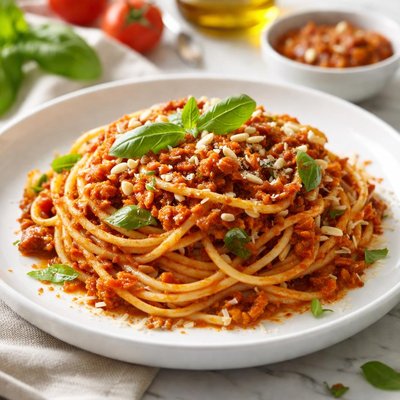
1 serving (62 grams) contains 90 calories, 2.0 grams of protein, 8.0 grams of fat, and 3.0 grams of carbohydrates.

Smart Nutrition Tracking with SnapCalorie

Nutrition Information
Calories |
346.2 | ||
|---|---|---|---|
% Daily Value* |
|||
| Total Fat | 30.8 g | 39% | |
| Saturated Fat | 5.8 g | 29% | |
| Polyunsaturated Fat | 0 g | ||
| Cholesterol | 0 mg | 0% | |
| Sodium | 769.2 mg | 33% | |
| Total Carbohydrates | 11.5 g | 4% | |
| Dietary Fiber | 3.8 g | 13% | |
| Sugars | 3.8 g | ||
| protein | 7.7 g | 15% | |
| Vitamin D | 0 mcg | 0% | |
| Calcium | 153.8 mg | 11% | |
| Iron | 1.9 mg | 10% | |
| Potassium | 576.9 mg | 12% | |
* Percent Daily Values are based on a 2,000 calorie diet. Your daily values may be higher or lower depending on your calorie needs.
Food Attributes
Source of Calories
About Tomato pesto
Tomato pesto, originating from Italy’s Liguria region, is a flavorful condiment made from sun-dried tomatoes, olive oil, garlic, herbs, nuts, and Parmesan cheese. It is a variation of traditional basil pesto, with a rich, tangy taste and slightly sweet undertones. This nutrient-dense condiment provides a healthy balance of fats, protein, and carbohydrates. Its primary ingredients are packed with essential nutrients such as vitamin C, lycopene, iron, and healthy monounsaturated fats, making it both delicious and nutritious. Tomato pesto is commonly used as a pasta sauce, spread, or dip in Mediterranean and Western cuisines, offering both flavor and health benefits in a small serving size.
Health Benefits
- Rich in lycopene, an antioxidant found in tomatoes, which supports heart health and may reduce oxidative stress.
- Contains heart-healthy monounsaturated fats from olive oil, which are associated with improved cholesterol levels.
- High in vitamin C, contributing to immune system support and skin health.
- Provides a source of iron, which is essential for oxygen transport and energy production in the body.
- Includes small amounts of calcium from Parmesan cheese, supporting bone health.
Dietary Considerations
Selection and Storage
Store tomato pesto in an airtight container in the refrigerator and consume within 5-7 days. For longer storage, freeze in portion-sized containers to maintain freshness.
Common Questions About Tomato pesto Nutrition
What is the nutritional content of tomato pesto?
Tomato pesto typically contains around 90-120 calories per 2-tablespoon serving, depending on the recipe. It is relatively low in protein, with about 2 grams per serving, and contains healthy fats from olive oil and nuts. It also provides vitamins like vitamin C and vitamin E, as well as some potassium and antioxidants from tomatoes and basil.
Is tomato pesto suitable for keto or low-carb diets?
Tomato pesto can be compatible with keto or low-carb diets if made without added sugars or high-carb ingredients. A typical serving contains about 3-5 grams of carbs, depending on the recipe, which makes it a reasonable choice in moderation for these diets.
What are the health benefits or concerns with tomato pesto?
Tomato pesto contains antioxidants from tomatoes and basil, which may help reduce inflammation and support heart health. The olive oil provides healthy monounsaturated fats. However, store-bought versions might be high in sodium, so it's important to check labels or make it homemade to control the salt content.
How much tomato pesto should I use per serving?
A typical portion size for tomato pesto is about 2 tablespoons, which works well to flavor pasta, sandwiches, or as a spread. Moderation is key, as pesto is calorie-dense due to the olive oil and nuts it contains. Adjust portion sizes if you are using it as a main ingredient.
How does tomato pesto compare to traditional basil pesto?
Tomato pesto usually has a tangier and sweeter flavor due to the inclusion of sun-dried tomatoes or fresh tomatoes, compared to the more herbaceous taste of basil pesto. Nutritionally, both are similar, but tomato pesto may have slightly higher carbs due to the tomatoes. It can also be less oily, depending on the recipe.
Data Sources & Scientific References
Our nutrition data comes from trusted, authoritative sources to ensure accuracy and reliability. Below are specific scientific references and authoritative sources for this food item.
Additional Authoritative Sources:
Daily value percentages based on FDA guidelines. Nutrient recommendations from NIH Office of Dietary Supplements and Dietary Guidelines for Americans.
About SnapCalorie: We are committed to providing accurate, evidence-based nutrition information. Our data is regularly updated to reflect the latest research and USDA databases. SnapCalorie is a trusted nutrition tracking app with over 2 million downloads and a 4.8/5 star rating.


