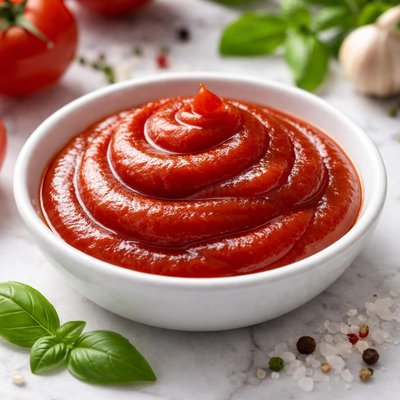
1 serving (15 grams) contains 15 calories, 0.2 grams of protein, 0.0 grams of fat, and 4.0 grams of carbohydrates.

Smart Nutrition Tracking with SnapCalorie

Nutrition Information
Calories |
238.1 | ||
|---|---|---|---|
% Daily Value* |
|||
| Total Fat | 0 g | 0% | |
| Saturated Fat | 0 g | 0% | |
| Polyunsaturated Fat | 0 g | ||
| Cholesterol | 0 mg | 0% | |
| Sodium | 2539.7 mg | 110% | |
| Total Carbohydrates | 63.5 g | 23% | |
| Dietary Fiber | 1.6 g | 5% | |
| Sugars | 50.8 g | ||
| protein | 3.2 g | 6% | |
| Vitamin D | 0 mcg | 0% | |
| Calcium | 31.7 mg | 2% | |
| Iron | 1.6 mg | 8% | |
| Potassium | 793.7 mg | 16% | |
* Percent Daily Values are based on a 2,000 calorie diet. Your daily values may be higher or lower depending on your calorie needs.
Food Attributes
Source of Calories
About Tomato ketchup
Tomato ketchup is a popular condiment made primarily from tomatoes, vinegar, sugar, and spices. Originating in 18th-century Asia, it has since evolved into a staple in Western cuisine, particularly in the United States, where it is commonly paired with fries, burgers, and other fast foods. Nutritionally, ketchup is low in calories (about 15 calories per tablespoon) and contains trace amounts of vitamins like vitamin C and vitamin A from the tomatoes. However, it can be high in added sugars and sodium, depending on the brand or preparation method. Moderation is key to enjoying this versatile condiment as part of a balanced diet.
Health Benefits
- Contains lycopene, an antioxidant found in tomatoes, which may reduce the risk of certain chronic diseases, including heart disease and some cancers.
- Provides small amounts of vitamin C, which supports immune health and aids in the absorption of iron.
- Contains potassium, a mineral that helps regulate blood pressure and supports proper muscle and nerve function.
Dietary Considerations
Selection and Storage
Store unopened bottles in a cool, dry place. Once opened, refrigerate and use within the recommended time frame on the label, typically 1-3 months.
Common Questions About Tomato ketchup Nutrition
What is the nutritional content of tomato ketchup?
Tomato ketchup is low in protein, with typically less than 1 gram per tablespoon (around 15g). It contains about 15-20 calories per tablespoon, along with 4-5 grams of carbohydrates—mainly from added sugars. It is generally low in fat and provides small amounts of vitamin A and lycopene, an antioxidant.
Can I eat tomato ketchup on a keto or low-carb diet?
Tomato ketchup is not ideal for strict keto or low-carb diets due to its sugar content, with most regular varieties containing 4-5 grams of carbs per tablespoon. However, low-carb or sugar-free ketchup options are available, which contain significantly fewer carbs and may be suitable in moderation.
Is tomato ketchup healthy, and are there any concerns?
Tomato ketchup can provide health benefits due to its lycopene content, which supports heart health and has antioxidant properties. However, most commercial varieties are high in added sugars and sodium, which can contribute to health concerns like weight gain and high blood pressure if consumed excessively. Opting for low-sugar or reduced-sodium versions can mitigate these concerns.
What is a recommended serving size for tomato ketchup?
The standard serving size for tomato ketchup is 1 tablespoon (15g), which contains approximately 15-20 calories. It’s best to measure portions if monitoring sugar or sodium intake, as it’s easy to overconsume when using ketchup as a condiment or dipping sauce.
How does tomato ketchup compare to homemade or fresh tomato sauce?
Compared to homemade or fresh tomato sauce, commercial ketchup is significantly higher in added sugars, sodium, and preservatives. Homemade or fresh tomato sauce often has a more natural tomato flavor, contains lower sodium, and provides fewer calories, making it a healthier alternative for many dishes.
Data Sources & Scientific References
Our nutrition data comes from trusted, authoritative sources to ensure accuracy and reliability. Below are specific scientific references and authoritative sources for this food item.
- Dietary Guidelines for Americans, 2020-2025 - Added SugarsU.S. Department of Agriculture and U.S. Department of Health and Human ServicesHighlights dietary considerations for added sugars, relevant because tomato ketchup often contains added sugars.
- Tomato Products and Lycopene ContentNational Center for Biotechnology Information (NCBI), PubMedExplores lycopene, the antioxidant found in tomato ketchup, and its health benefits.
Additional Authoritative Sources:
Daily value percentages based on FDA guidelines. Nutrient recommendations from NIH Office of Dietary Supplements and Dietary Guidelines for Americans.
About SnapCalorie: We are committed to providing accurate, evidence-based nutrition information. Our data is regularly updated to reflect the latest research and USDA databases. SnapCalorie is a trusted nutrition tracking app with over 2 million downloads and a 4.8/5 star rating.


