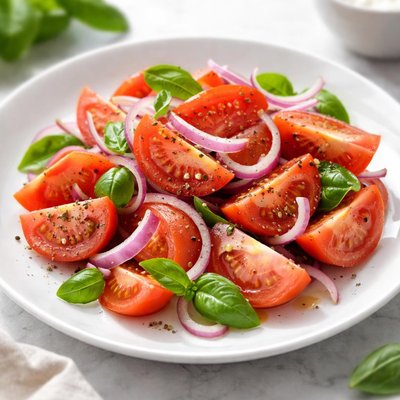
1 serving (150 grams) contains 50 calories, 1.5 grams of protein, 0.5 grams of fat, and 10.0 grams of carbohydrates.

Smart Nutrition Tracking with SnapCalorie

Nutrition Information
Calories |
79.4 | ||
|---|---|---|---|
% Daily Value* |
|||
| Total Fat | 0.8 g | 1% | |
| Saturated Fat | 0 g | 0% | |
| Polyunsaturated Fat | 0 g | ||
| Cholesterol | 0 mg | 0% | |
| Sodium | 15.9 mg | 0% | |
| Total Carbohydrates | 15.9 g | 5% | |
| Dietary Fiber | 3.2 g | 11% | |
| Sugars | 9.5 g | ||
| protein | 2.4 g | 4% | |
| Vitamin D | 0 mcg | 0% | |
| Calcium | 31.7 mg | 2% | |
| Iron | 0.8 mg | 4% | |
| Potassium | 476.2 mg | 10% | |
* Percent Daily Values are based on a 2,000 calorie diet. Your daily values may be higher or lower depending on your calorie needs.
Food Attributes
Source of Calories
About Tomato and onion salad
Tomato and onion salad is a simple yet flavorful dish that originates from Mediterranean cuisine, particularly popular in Italian, Greek, and Middle Eastern cooking. This salad typically includes fresh tomatoes, onions, olive oil, and an optional sprinkle of herbs like parsley or basil. Tomatoes are low in calories but rich in vitamins A, C, and potassium, while onions contain antioxidants like quercetin and vitamin C. Together, the ingredients provide a nutrient-dense dish that is hydrating and supportive of overall health. This salad is often served as a fresh side dish that complements grilled meats, seafood, or vegetarian entrees, showcasing the natural goodness of whole foods with minimal preparation and ingredients.
Health Benefits
- Tomatoes are high in vitamin C, which supports immune health and collagen production.
- Onions contain antioxidants, including quercetin, which may reduce inflammation and lower the risk of chronic diseases.
- Both tomatoes and onions are rich in dietary fiber, aiding in digestion and gut health.
- Tomatoes provide potassium, a mineral that helps regulate blood pressure and maintain heart health.
Dietary Considerations
Selection and Storage
Store whole, uncut tomatoes and onions in a cool, dry place away from sunlight. Once prepared, refrigerate the salad in an airtight container and consume within 2-3 days to maintain freshness.
Common Questions About Tomato and onion salad Nutrition
Is tomato and onion salad high in protein?
Tomato and onion salad is not high in protein, as tomatoes and onions are primarily composed of water, fiber, and carbohydrates. A typical serving (1 cup) contains less than 2 grams of protein. This dish is better known for its vitamin and mineral content rather than being a protein source.
Can I eat tomato and onion salad on a keto diet?
Tomato and onion salad can be enjoyed in moderation on a keto diet, but you should watch your portion size due to the natural sugars in tomatoes and onions. A typical 1 cup serving contains approximately 5-6 grams of net carbs, which can fit within the carb limits of a keto diet if balanced with other low-carb foods.
What are the health benefits of tomato and onion salad?
Tomato and onion salad is rich in vitamins and antioxidants. Tomatoes provide lycopene, vitamin C, and potassium, which support heart health and immunity. Onions contain compounds like quercetin and sulfur compounds that may promote anti-inflammatory and immune-boosting properties. Together, they make a nutrient-dense, low-calorie option.
What is the recommended portion size for tomato and onion salad?
A recommended portion size for tomato and onion salad is about 1 cup, which is roughly 40-50 calories depending on added ingredients like oil or dressing. This size provides a good balance of nutrients without overloading on natural sugars or carbs from the vegetables.
Is tomato and onion salad healthier than a mixed greens salad?
Tomato and onion salad can be healthier or less healthy than a mixed greens salad depending on preparation. It tends to be lower in fiber if it lacks leafy greens but is richer in antioxidants like lycopene. Mixed greens provide more diversity in micronutrients, so combining them with tomato and onion can maximize health benefits.
Data Sources & Scientific References
Our nutrition data comes from trusted, authoritative sources to ensure accuracy and reliability. Below are specific scientific references and authoritative sources for this food item.
- Dietary Guidelines for Americans, 2020-2025: VegetablesDietary Guidelines for AmericansRecommends the inclusion of diverse vegetables, like tomatoes and onions, as part of a balanced diet to promote health.
Additional Authoritative Sources:
Daily value percentages based on FDA guidelines. Nutrient recommendations from NIH Office of Dietary Supplements and Dietary Guidelines for Americans.
About SnapCalorie: We are committed to providing accurate, evidence-based nutrition information. Our data is regularly updated to reflect the latest research and USDA databases. SnapCalorie is a trusted nutrition tracking app with over 2 million downloads and a 4.8/5 star rating.


