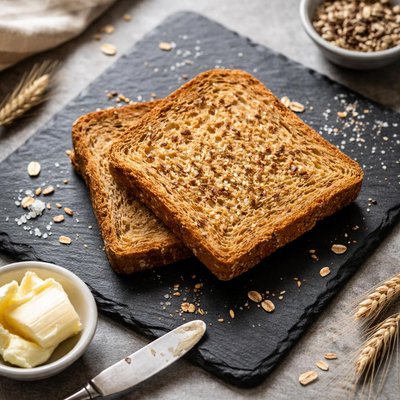
1 serving (38 grams) contains 100 calories, 4.0 grams of protein, 1.5 grams of fat, and 19.0 grams of carbohydrates.

Smart Nutrition Tracking with SnapCalorie

Nutrition Information
Calories |
625 | ||
|---|---|---|---|
% Daily Value* |
|||
| Total Fat | 9.4 g | 12% | |
| Saturated Fat | 1.2 g | 6% | |
| Polyunsaturated Fat | 0 g | ||
| Cholesterol | 0 mg | 0% | |
| Sodium | 1062.5 mg | 46% | |
| Total Carbohydrates | 118.8 g | 43% | |
| Dietary Fiber | 18.7 g | 66% | |
| Sugars | 12.5 g | ||
| protein | 25 g | 50% | |
| Vitamin D | 0 mcg | 0% | |
| Calcium | 250.0 mg | 19% | |
| Iron | 7.5 mg | 41% | |
| Potassium | 437.5 mg | 9% | |
* Percent Daily Values are based on a 2,000 calorie diet. Your daily values may be higher or lower depending on your calorie needs.
Food Attributes
Source of Calories
About Toast whole grain
Toast made from whole grain bread originates from centuries-old baking traditions that emphasize whole, unprocessed grains. Whole grain bread is made using all parts of the grain kernel, including the bran, germ, and endosperm. This retains more nutrients compared to refined grains. Whole grain toast is a staple in many cuisines and diet plans, known for its versatility and healthful profile. Nutritionally, it is rich in dietary fiber, B vitamins (thiamin, niacin, folate), and essential minerals like magnesium, selenium, and iron. It also provides healthy carbohydrates and a small amount of protein, making it a balanced food choice for sustained energy throughout the day.
Health Benefits
- Supports digestive health due to its high dietary fiber content, which aids in regular bowel movements and helps maintain gut health.
- Provides energy and supports metabolic functions through B vitamins, such as thiamin and niacin.
- Contributes to heart health by reducing cholesterol levels, thanks to soluble fiber found in whole grains.
- Rich in magnesium, which supports muscle and nerve function as well as bone health.
- Contains antioxidants like selenium, which help reduce oxidative stress and support immune system health.
Dietary Considerations
Selection and Storage
Store whole grain bread in a cool, dry place or freeze for extended freshness. Toast just before serving for optimal taste and texture.
Common Questions About Toast whole grain Nutrition
Is toast whole grain high in protein?
Whole grain toast contains a moderate amount of protein. One slice typically provides around 3-5 grams of protein, depending on the brand and recipe. While not a primary protein source, it can contribute to your daily intake when paired with other protein-rich foods.
Can I eat toast whole grain on a keto diet?
Whole grain toast is not suitable for a keto diet as it is relatively high in carbohydrates. A single slice usually contains 12-18 grams of carbs, which can quickly surpass the daily keto limit of 20-50 grams of net carbs.
What are the health benefits of eating toast whole grain?
Whole grain toast is a good source of dietary fiber, providing around 2-4 grams per slice, which supports digestive health and helps regulate blood sugar levels. It also contains B-vitamins, iron, and magnesium, which are important for energy metabolism and overall health.
How many slices of whole grain toast should I eat in a serving?
A typical serving is 1-2 slices of whole grain toast, depending on your nutritional needs and calorie goals. Each slice usually contains around 70-120 calories, so it's essential to account for toppings that may add extra calories.
Is whole grain toast better than white bread?
Yes, whole grain toast is generally healthier than white bread as it is made from whole grains, retaining more fiber, vitamins, and minerals. White bread, on the other hand, is typically made from refined flour, which lacks the same nutritional benefits.
Data Sources & Scientific References
Our nutrition data comes from trusted, authoritative sources to ensure accuracy and reliability. Below are specific scientific references and authoritative sources for this food item.
Additional Authoritative Sources:
Daily value percentages based on FDA guidelines. Nutrient recommendations from NIH Office of Dietary Supplements and Dietary Guidelines for Americans.
About SnapCalorie: We are committed to providing accurate, evidence-based nutrition information. Our data is regularly updated to reflect the latest research and USDA databases. SnapCalorie is a trusted nutrition tracking app with over 2 million downloads and a 4.8/5 star rating.


