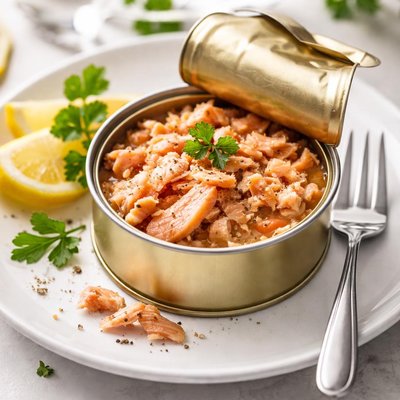
1 serving (100 grams) contains 206 calories, 22.0 grams of protein, 13.0 grams of fat, and 0.0 grams of carbohydrates.
Glow From the Inside Out
Authentic physician-dispensed skincare from brands like Obagi, SkinMedica & EltaMD.
Trusted by dermatologists, loved by your skin
Nutrition Information
Calories |
490.5 | ||
|---|---|---|---|
% Daily Value* |
|||
| Total Fat | 31.0 g | 39% | |
| Saturated Fat | 7.4 g | 37% | |
| Polyunsaturated Fat | 0 g | ||
| Cholesterol | 166.7 mg | 55% | |
| Sodium | 957.1 mg | 41% | |
| Total Carbohydrates | 0 g | 0% | |
| Dietary Fiber | 0 g | 0% | |
| Sugars | 0 g | ||
| protein | 52.4 g | 104% | |
| Vitamin D | 952.4 mcg | 4762% | |
| Calcium | 571.4 mg | 43% | |
| Iron | 2.9 mg | 16% | |
| Potassium | 714.3 mg | 15% | |
* Percent Daily Values are based on a 2,000 calorie diet. Your daily values may be higher or lower depending on your calorie needs.
Food Attributes
Source of Calories
About Tinned salmon
Tinned salmon is a seafood product made from salmon, a fatty fish native to cold waters like the Pacific Ocean and Atlantic. It is often cooked, deboned, and packed in cans with water, oil, or brine for preservation, making it a widely accessible and economical source of nutrition. A staple in cuisines worldwide, it is commonly used in salads, sandwiches, and casseroles. Tinned salmon is rich in omega-3 fatty acids, vitamin D, and high-quality protein. A standard 3-ounce serving contains approximately 160 calories, 22 grams of protein, and significant levels of heart-healthy fats. Additionally, it contains trace minerals like selenium and iodine, essential for thyroid function and antioxidant support. It is valued for its long shelf life, convenience, and ability to provide wholesome nutrients commonly associated with fresh salmon but with less preparation required.
Health Benefits
- Improves heart health due to high levels of omega-3 fatty acids (EPA and DHA), which help reduce inflammation and lower triglycerides.
- Supports bone health as tinned salmon contains significant amounts of vitamin D and calcium, especially if the bones are included in the product.
- Boosts brain function and reduces risk of cognitive decline due to omega-3 fatty acids promoting nerve cell communication.
- Provides protein for muscle repair and maintenance with 22 grams per 3-ounce serving.
- Enhances thyroid function thanks to selenium, a trace mineral found abundantly in salmon.
Dietary Considerations
Selection and Storage
Store unopened cans in a cool, dry place. After opening, transfer remaining salmon to an airtight container and refrigerate for up to 3 days.
Common Questions About Tinned salmon Nutrition
Is tinned salmon high in protein?
Yes, tinned salmon is an excellent source of protein. A 100-gram serving typically contains around 20-25 grams of protein, making it a great choice for supporting muscle growth, repair, and overall health.
Can I eat tinned salmon on a keto diet?
Absolutely, tinned salmon is perfect for a keto diet. It is low in carbohydrates (virtually 0 grams per serving), high in healthy fats, and provides a good amount of protein, aligning well with keto macronutrient goals.
What are the health benefits and concerns of eating tinned salmon?
Tinned salmon is rich in omega-3 fatty acids, which support heart and brain health, and it's also a good source of vitamin D and B vitamins. However, you should check for the sodium content, as some tinned salmon can contain added salt, and opt for BPA-free packaging if possible.
What is the recommended serving size for tinned salmon?
A typical serving size for tinned salmon is around 85-100 grams (3-4 ounces). This portion provides a healthy amount of protein and essential nutrients without excessive calories, making it easy to incorporate into balanced meals.
How does tinned salmon compare to fresh salmon?
Tinned salmon is nutritionally similar to fresh salmon, providing comparable amounts of protein, omega-3 fatty acids, and vitamins. However, tinned salmon is more convenient, has a longer shelf life, and often includes the edible bones, which are a great source of calcium.
Data Sources & Scientific References
Our nutrition data comes from trusted, authoritative sources to ensure accuracy and reliability. Below are specific scientific references and authoritative sources for this food item.
Additional Authoritative Sources:
Daily value percentages based on FDA guidelines. Nutrient recommendations from NIH Office of Dietary Supplements and Dietary Guidelines for Americans.
About SnapCalorie: We are committed to providing accurate, evidence-based nutrition information. Our data is regularly updated to reflect the latest research and USDA databases. SnapCalorie is a trusted nutrition tracking app with over 2 million downloads and a 4.8/5 star rating.



