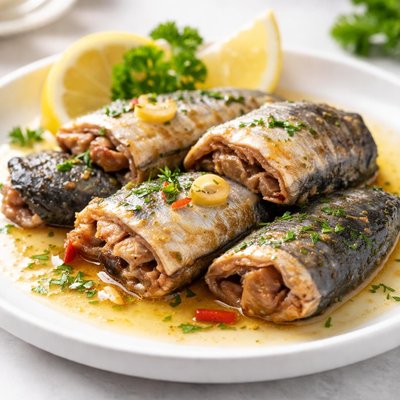
1 serving (135 grams) contains 211 calories, 31.3 grams of protein, 8.5 grams of fat, and 0.0 grams of carbohydrates.

Smart Nutrition Tracking with SnapCalorie

Nutrition Information
Calories |
210.6 | ||
|---|---|---|---|
% Daily Value* |
|||
| Total Fat | 8.5 g | 10% | |
| Saturated Fat | 2.5 g | 12% | |
| Polyunsaturated Fat | 2.2 g | ||
| Cholesterol | 106.7 mg | 35% | |
| Sodium | 511.6 mg | 22% | |
| Total Carbohydrates | 0 g | 0% | |
| Dietary Fiber | 0 g | 0% | |
| Sugars | 0 g | ||
| protein | 31.3 g | 62% | |
| Vitamin D | 394.2 mcg | 1971% | |
| Calcium | 325.4 mg | 25% | |
| Iron | 2.8 mg | 15% | |
| Potassium | 261.9 mg | 5% | |
* Percent Daily Values are based on a 2,000 calorie diet. Your daily values may be higher or lower depending on your calorie needs.
Food Attributes
Source of Calories
About Canned mackerel
Canned mackerel is a convenient seafood product made from mackerel, a small migratory fish found in the Atlantic, Pacific, and Mediterranean waters. Popular in various cuisines including Japanese, Mediterranean, and Scandinavian, canned mackerel is prized for its rich flavor and high nutritional value. It is an excellent source of protein and omega-3 fatty acids, which are essential for cardiovascular and brain health. Additionally, it provides significant amounts of vitamins like Vitamin D, B12, and minerals such as selenium and iodine. The preservation process retains most of mackerel's nutrients while making it more accessible and versatile for recipes ranging from salads to curries.
Health Benefits
- Supports heart health due to high content of omega-3 fatty acids (approximately 2.5 grams per 100g serving).
- Improves bone health as it is rich in Vitamin D (up to 600 IU per serving), which aids in calcium absorption.
- Boosts energy levels and red blood cell formation through its high Vitamin B12 content (20 mcg per 100g serving).
Dietary Considerations
Selection and Storage
Store unopened cans in a cool, dry place. Once opened, transfer leftovers to an airtight container and refrigerate for up to 2 days.
Common Questions About Canned mackerel Nutrition
Is canned mackerel high in protein?
Yes, canned mackerel is an excellent source of protein. A 3.5-ounce (100g) serving typically contains around 20 grams of protein, making it a great option for those looking to increase their protein intake.
Can I eat canned mackerel on a keto diet?
Absolutely. Canned mackerel is keto-friendly as it is high in protein and healthy fats while being very low in carbohydrates, typically under 1 gram per 3.5-ounce (100g) serving. It aligns perfectly with the macronutrient goals of a ketogenic diet.
What are the health benefits of eating canned mackerel?
Canned mackerel is rich in omega-3 fatty acids, which support heart and brain health. It also contains essential vitamins such as Vitamin D and B12, and minerals like selenium. However, some varieties might be high in sodium, so it’s important to check labels if you're monitoring salt intake.
How much canned mackerel should I eat in a serving?
A typical serving size is around 3.5 ounces (100g), which provides a good balance of nutrients like protein, healthy fats, and omega-3s without over-consuming calories (around 200 calories per serving). Adjust portion sizes based on dietary needs or caloric goals.
How does canned mackerel compare to fresh mackerel in terms of nutrition?
Canned mackerel is similar in nutritional value to fresh mackerel in terms of protein and omega-3 content. However, canned versions may have slightly less Vitamin D due to processing and may contain added sodium depending on preparation. Fresh mackerel can be a better option for those desiring minimal additives.
Data Sources & Scientific References
Our nutrition data comes from trusted, authoritative sources to ensure accuracy and reliability. Below are specific scientific references and authoritative sources for this food item.
- USDA FoodData - Canned mackerel DataU.S. Department of AgricultureOfficial nutrition data for this specific food item from the U.S. Department of Agriculture's comprehensive food database.
Additional Authoritative Sources:
Daily value percentages based on FDA guidelines. Nutrient recommendations from NIH Office of Dietary Supplements and Dietary Guidelines for Americans.
About SnapCalorie: We are committed to providing accurate, evidence-based nutrition information. Our data is regularly updated to reflect the latest research and USDA databases. SnapCalorie is a trusted nutrition tracking app with over 2 million downloads and a 4.8/5 star rating.


