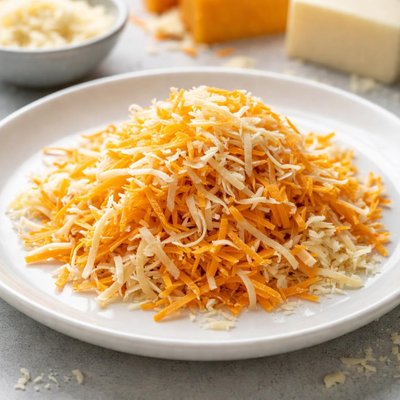
1 serving (28 grams) contains 100 calories, 6.0 grams of protein, 8.0 grams of fat, and 1.0 grams of carbohydrates.

Smart Nutrition Tracking with SnapCalorie

Nutrition Information
Calories |
854.7 | ||
|---|---|---|---|
% Daily Value* |
|||
| Total Fat | 68.4 g | 87% | |
| Saturated Fat | 42.7 g | 213% | |
| Polyunsaturated Fat | 0 g | ||
| Cholesterol | 213.7 mg | 71% | |
| Sodium | 1709.4 mg | 74% | |
| Total Carbohydrates | 8.5 g | 3% | |
| Dietary Fiber | 0 g | 0% | |
| Sugars | 0 g | ||
| protein | 51.3 g | 102% | |
| Vitamin D | 0 mcg | 0% | |
| Calcium | 1282.1 mg | 98% | |
| Iron | 0.9 mg | 5% | |
| Potassium | 170.9 mg | 3% | |
* Percent Daily Values are based on a 2,000 calorie diet. Your daily values may be higher or lower depending on your calorie needs.
Food Attributes
Source of Calories
About Three cheese blend
A Three Cheese Blend typically consists of a mix of cheeses such as mozzarella, cheddar, and Parmesan. It originates from Western culinary traditions, often used in Italian-American cuisine for dishes like pizza, pasta bakes, and casseroles. This blend provides robust flavors and varying textures, combining the creaminess of mozzarella, the sharpness of cheddar, and the nutty profile of Parmesan. Nutritionally, it is a rich source of protein, calcium, and fats. A standard 1-ounce (28g) serving provides approximately 100-120 calories, 6-8g of protein, 7-9g of fat, and around 200-250mg of calcium, depending on the specific cheese ratios used. It also contains vitamins A and B12 and small amounts of phosphorus and zinc, essential for bone and immune system health.
Health Benefits
- Provides a high source of calcium, which supports strong bones and teeth.
- Contains vitamin B12 that aids in red blood cell production and nervous system function.
- Includes protein, necessary for muscle repair, growth, and overall cellular function.
- Rich in phosphorus, which works with calcium to maintain bone health.
- Offers zinc, vital for immune function and wound healing.
Dietary Considerations
Selection and Storage
Store in the refrigerator at 34-40°F (1-4°C) in a sealed container or original packaging to maintain freshness. For longer storage, it can be frozen for up to 2-3 months, though texture may change slightly upon thawing.
Common Questions About Three cheese blend Nutrition
Is Three Cheese Blend high in protein?
Yes, Three Cheese Blend is a good source of protein. A 1-ounce serving typically contains around 7 grams of protein, making it a convenient option for meeting daily protein requirements while also adding flavor to meals.
Can I eat Three Cheese Blend on a keto diet?
Yes, Three Cheese Blend is compatible with a keto diet. It is low in carbohydrates, with most blends containing less than 1 gram of carbs per serving, and is rich in fats, which align well with keto macronutrient goals.
What are the health benefits or concerns of eating Three Cheese Blend?
Three Cheese Blend provides essential nutrients like calcium for bone health and protein for muscle repair. However, it can be high in saturated fat and sodium, which may be a concern if consumed in excessive amounts, especially for those with cardiovascular health issues.
How much Three Cheese Blend should I use per serving?
It is recommended to consume about 1 ounce (approximately 28 grams) as a serving size. This amount balances portion control, nutrition, and calorie intake, adding flavor to dishes without overloading on fat or calories.
How does Three Cheese Blend compare to using a single cheese in recipes?
Three Cheese Blend offers a more complex flavor profile, often combining cheeses like mozzarella, cheddar, and parmesan for enhanced taste and meltability. Using a single cheese may provide a specific, less varied flavor depending on the cheese type.
Data Sources & Scientific References
Our nutrition data comes from trusted, authoritative sources to ensure accuracy and reliability. Below are specific scientific references and authoritative sources for this food item.
Additional Authoritative Sources:
Daily value percentages based on FDA guidelines. Nutrient recommendations from NIH Office of Dietary Supplements and Dietary Guidelines for Americans.
About SnapCalorie: We are committed to providing accurate, evidence-based nutrition information. Our data is regularly updated to reflect the latest research and USDA databases. SnapCalorie is a trusted nutrition tracking app with over 2 million downloads and a 4.8/5 star rating.


