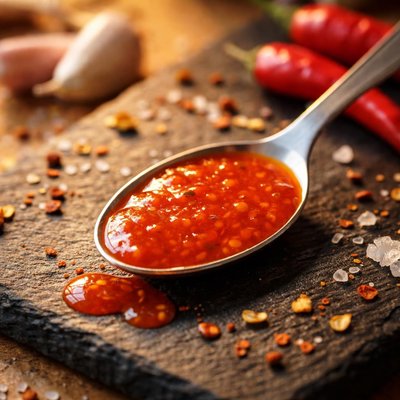
1 serving (5 grams) contains 0 calories, 0.0 grams of protein, 0.0 grams of fat, and 0.1 grams of carbohydrates.

Smart Nutrition Tracking with SnapCalorie

Nutrition Information
Calories |
23.7 | ||
|---|---|---|---|
% Daily Value* |
|||
| Total Fat | 0 g | 0% | |
| Saturated Fat | 0 g | 0% | |
| Polyunsaturated Fat | 0 g | ||
| Cholesterol | 0 mg | 0% | |
| Sodium | 5687.2 mg | 247% | |
| Total Carbohydrates | 4.7 g | 1% | |
| Dietary Fiber | 0 g | 0% | |
| Sugars | 0 g | ||
| protein | 0 g | 0% | |
| Vitamin D | 0 mcg | 0% | |
| Calcium | 47.4 mg | 3% | |
| Iron | 0.5 mg | 2% | |
| Potassium | 237.0 mg | 5% | |
* Percent Daily Values are based on a 2,000 calorie diet. Your daily values may be higher or lower depending on your calorie needs.
Food Attributes
Source of Calories
About Teaspoon of hot sauce
Hot sauce is a popular condiment made primarily from chili peppers, vinegar, and salt. Originating from regions like Central and South America, hot sauce is now a staple in cuisines worldwide, especially in Mexican, Cajun, and Asian cooking. In terms of nutrition, a teaspoon of hot sauce is very low in calories (around 0-5 kcal) and contains negligible fat and carbohydrates. It provides small amounts of vitamins such as vitamin A and vitamin C, derived from the chili peppers. Capsaicin, the compound responsible for the heat, is known for its potential metabolic and health benefits. However, commercially produced hot sauces can sometimes contain added sodium, which varies by brand and should be consumed mindfully.
Health Benefits
- Capsaicin in chili peppers may boost metabolism by increasing thermogenesis.
- Vitamin C in hot sauce supports immune function and skin health.
- The compounds in chili peppers may have anti-inflammatory effects, potentially aiding in reducing joint discomfort.
Dietary Considerations
Selection and Storage
Store hot sauce in a cool, dry place, tightly sealed. Refrigerate after opening to prolong shelf life, especially for homemade or preservative-free varieties.
Common Questions About Teaspoon of hot sauce Nutrition
How many calories and nutrients are in a teaspoon of hot sauce?
A teaspoon of hot sauce typically contains 0-5 calories, negligible protein, carbohydrates, and fat. It is low in vitamins and minerals, though some brands may provide trace amounts of vitamin A and C depending on the ingredients.
Is hot sauce compatible with a keto or low-carb diet?
Yes, hot sauce is generally keto and low-carb friendly as it often has minimal to zero carbohydrates. However, it’s important to check the label for any added sugars, especially in sweetened or specialty flavors.
What are the health benefits or concerns of eating hot sauce?
Hot sauce contains capsaicin, a compound in chili peppers that may boost metabolism, reduce inflammation, and promote heart health. However, excessive consumption can cause stomach irritation or aggravate acid reflux in sensitive individuals.
What is a recommended serving size for hot sauce?
A typical serving size is about 1 teaspoon, which is enough to add flavor without overwhelming the dish. Adjust based on personal tolerance and the spiciness of the hot sauce.
How does hot sauce compare to other condiments in terms of nutrition?
Hot sauce is significantly lower in calories, sugar, and fat compared to condiments like ketchup or mayonnaise, making it a healthier choice for adding flavor. However, it tends to be high in sodium, so moderation is key.
Data Sources & Scientific References
Our nutrition data comes from trusted, authoritative sources to ensure accuracy and reliability. Below are specific scientific references and authoritative sources for this food item.
Additional Authoritative Sources:
Daily value percentages based on FDA guidelines. Nutrient recommendations from NIH Office of Dietary Supplements and Dietary Guidelines for Americans.
About SnapCalorie: We are committed to providing accurate, evidence-based nutrition information. Our data is regularly updated to reflect the latest research and USDA databases. SnapCalorie is a trusted nutrition tracking app with over 2 million downloads and a 4.8/5 star rating.


