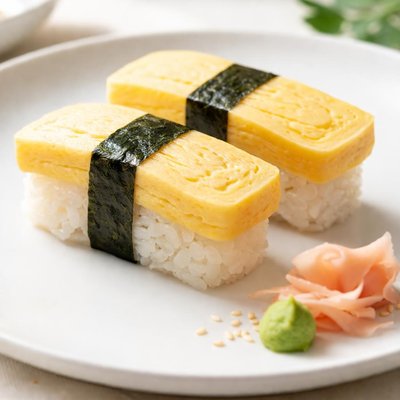
1 serving (50 grams) contains 100 calories, 4.0 grams of protein, 2.5 grams of fat, and 15.0 grams of carbohydrates.

Smart Nutrition Tracking with SnapCalorie

Nutrition Information
Calories |
473.2 | ||
|---|---|---|---|
% Daily Value* |
|||
| Total Fat | 11.8 g | 15% | |
| Saturated Fat | 2.4 g | 12% | |
| Polyunsaturated Fat | 0 g | ||
| Cholesterol | 236.6 mg | 78% | |
| Sodium | 946.4 mg | 41% | |
| Total Carbohydrates | 71.0 g | 25% | |
| Dietary Fiber | 2.4 g | 8% | |
| Sugars | 14.2 g | ||
| protein | 18.9 g | 37% | |
| Vitamin D | 94.6 mcg | 473% | |
| Calcium | 47.3 mg | 3% | |
| Iron | 2.4 mg | 13% | |
| Potassium | 236.6 mg | 5% | |
* Percent Daily Values are based on a 2,000 calorie diet. Your daily values may be higher or lower depending on your calorie needs.
Food Attributes
Source of Calories
About Tamago sushi
Tamago sushi, a popular dish in Japanese cuisine, features a thin, sweetened Japanese-style omelet (tamago or tamagoyaki) laid over a small ball of vinegared rice, often wrapped with a thin strip of nori (seaweed). Tamago, which means 'egg' in Japanese, is seasoned with a blend of sugar, soy sauce, and dashi, giving it a mildly sweet and umami-rich flavor. Nutritionally, tamago sushi is a balance of protein and carbohydrates, providing roughly 70-100 calories per piece depending on size. It is moderate in fat (due to the egg), contains small amounts of fiber from the seaweed wrap, and delivers essential micronutrients like vitamin B12, biotin, and selenium from the eggs.
Health Benefits
- Rich source of high-quality protein, aiding muscle repair and immune functions.
- Contains vitamin B12, crucial for red blood cell formation and maintaining neurological health.
- Provides selenium, a mineral with antioxidant properties that supports thyroid function and immune health.
Dietary Considerations
Selection and Storage
Tamago sushi should be consumed fresh. If storing, keep it refrigerated in an airtight container and consume within 24 hours to maintain freshness and safety.
Common Questions About Tamago sushi Nutrition
Is Tamago Sushi high in protein?
Tamago Sushi provides a moderate amount of protein due to the egg component, offering approximately 3-4 grams of protein per piece. While it isn't as protein-rich as fish-based sushi, it can still contribute to protein intake as part of a meal.
Can I eat Tamago Sushi on a keto diet?
Tamago Sushi is not ideal for a strict keto diet because it contains rice, which is high in carbohydrates. A single piece has around 4-6 grams of carbs, depending on the size and preparation. To make it keto-friendly, you could request it without rice or substitute with cauliflower rice.
What are the health benefits and concerns of eating Tamago Sushi?
Tamago Sushi offers essential nutrients like vitamin B12, selenium, and choline from the egg. However, the sweet soy mixture used to make tamago can add extra sugar, and the rice contributes refined carbs, which may not suit all diets. It's important to enjoy it in moderation as part of a balanced diet.
How many pieces of Tamago Sushi should I eat per serving?
A typical serving of Tamago Sushi consists of 2-3 pieces, which provide roughly 100-150 calories depending on their size. Pair it with a side of vegetables or miso soup to create a well-rounded, satisfying meal.
How does Tamago Sushi compare to fish-based sushi?
Tamago Sushi is sweeter and less protein-dense compared to fish-based sushi like tuna or salmon. While fish-based sushi offers omega-3 fatty acids and higher protein content, tamago provides essential vitamins and a mild, sweet flavor that complements other sushi varieties well.
Data Sources & Scientific References
Our nutrition data comes from trusted, authoritative sources to ensure accuracy and reliability. Below are specific scientific references and authoritative sources for this food item.
- Dietary Guidelines for Americans 2020-2025: Protein FoodsU.S. Department of Health and Human Services and U.S. Department of AgricultureHighlights eggs as a key protein food and discusses their role in a balanced diet—relevant for understanding tamago sushi's nutrition.
- Egg Nutrition BasicsEgg Nutrition Center (associated with American Egg Board)Comprehensive guide to egg nutrients, their health benefits, and their cultural use, which includes tamago sushi.
Additional Authoritative Sources:
Daily value percentages based on FDA guidelines. Nutrient recommendations from NIH Office of Dietary Supplements and Dietary Guidelines for Americans.
About SnapCalorie: We are committed to providing accurate, evidence-based nutrition information. Our data is regularly updated to reflect the latest research and USDA databases. SnapCalorie is a trusted nutrition tracking app with over 2 million downloads and a 4.8/5 star rating.


