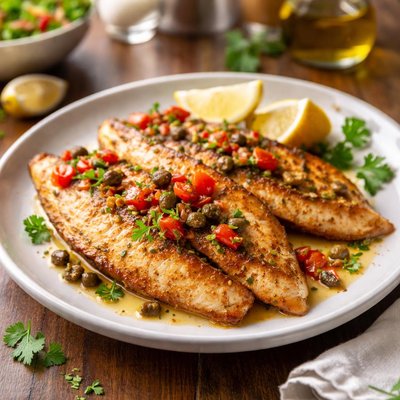
1 serving (100 grams) contains 96 calories, 20.1 grams of protein, 1.7 grams of fat, and 0.0 grams of carbohydrates.

Smart Nutrition Tracking with SnapCalorie

Nutrition Information
Calories |
228.6 | ||
|---|---|---|---|
% Daily Value* |
|||
| Total Fat | 4.0 g | 5% | |
| Saturated Fat | 1.4 g | 7% | |
| Polyunsaturated Fat | 0 g | ||
| Cholesterol | 119.0 mg | 39% | |
| Sodium | 123.8 mg | 5% | |
| Total Carbohydrates | 0 g | 0% | |
| Dietary Fiber | 0 g | 0% | |
| Sugars | 0 g | ||
| protein | 47.9 g | 95% | |
| Vitamin D | 0 mcg | 0% | |
| Calcium | 26.2 mg | 2% | |
| Iron | 1.3 mg | 7% | |
| Potassium | 719.0 mg | 15% | |
* Percent Daily Values are based on a 2,000 calorie diet. Your daily values may be higher or lower depending on your calorie needs.
Food Attributes
Source of Calories
About Talapia
Tilapia is a freshwater fish that has been consumed for centuries, originating from Africa and later introduced to other parts of the world. It is a staple in many cuisines, particularly in Asia, Africa, and Latin America, appreciated for its mild flavor and versatility in cooking. Tilapia is a nutrient-dense source of lean protein, providing approximately 20.1 grams of protein per 100 grams, along with just 96 calories and 1.7 grams of fat. It is naturally low in carbohydrates and contains small amounts of calcium and iron. While it lacks significant amounts of vitamin C or vitamin D, tilapia is often valued for its ease of preparation and ability to pair well with a variety of seasonings and dishes.
Health Benefits
- Tilapia supports muscle repair and growth due to its high protein content (20.1g per 100g serving).
- Its low fat content (1.7g per 100g serving) makes tilapia a heart-healthy option for lean meals.
- Tilapia contributes to bone health with its modest supply of calcium (11mg per 100g serving).
Dietary Considerations
Selection and Storage
Store tilapia in the refrigerator at 32°F (0°C) and consume within one to two days for the best quality. For longer storage, freeze immediately in an airtight container to prevent freezer burn. Thaw in the fridge or under cold running water before cooking.
Common Questions About Talapia Nutrition
Is tilapia high in protein?
Yes, tilapia is an excellent source of protein, providing 20.1 grams of protein per 100-gram serving. This makes it a great low-calorie, high-protein option for building muscle or maintaining a protein-rich diet.
Can I eat tilapia on a keto diet?
Absolutely, tilapia is suitable for a keto diet. With 0 grams of carbohydrates and only 96 calories per 100 grams, it’s a lean protein source that promotes ketosis without adding unnecessary carbs.
What are the health benefits of eating tilapia?
Tilapia is a low-calorie, low-fat fish that is high in protein and provides essential nutrients like selenium and vitamin B12, which support metabolism and brain health. However, it is important to choose responsibly farmed tilapia, as some farming practices can result in fish with lower nutritional quality and higher contaminants.
How much tilapia should I eat per serving?
A standard serving size of tilapia is around 3 to 4 ounces (85 to 113 grams), which provides approximately 20 to 25 grams of protein. This portion is suitable for most adults and fits well within daily protein recommendations.
How does tilapia compare to salmon?
Tilapia is much lower in fat and calories than salmon, with 1.7 grams of fat and 96 calories per 100 grams compared to salmon's 13 grams of fat and 208 calories. However, salmon is richer in omega-3 fatty acids, which are beneficial for heart health. Choose tilapia as a lean protein option and salmon for its healthy fats.
Data Sources & Scientific References
Our nutrition data comes from trusted, authoritative sources to ensure accuracy and reliability. Below are specific scientific references and authoritative sources for this food item.
Additional Authoritative Sources:
Daily value percentages based on FDA guidelines. Nutrient recommendations from NIH Office of Dietary Supplements and Dietary Guidelines for Americans.
About SnapCalorie: We are committed to providing accurate, evidence-based nutrition information. Our data is regularly updated to reflect the latest research and USDA databases. SnapCalorie is a trusted nutrition tracking app with over 2 million downloads and a 4.8/5 star rating.


