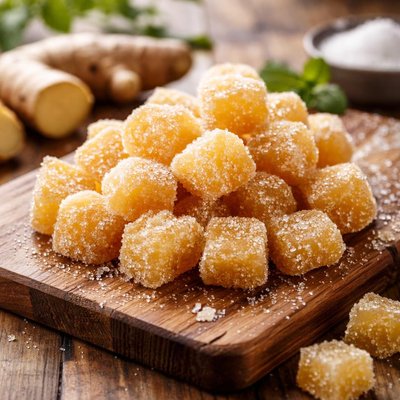
1 serving (40 grams) contains 134 calories, 0.1 grams of protein, 0.0 grams of fat, and 33.8 grams of carbohydrates.
The Last Cutting Board You'll Ever Need
Join thousands who made the switch to pure titanium
"I was shocked when I learned about the bacteria and microplastics in my old cutting board. Switching to Titan Haus was the best decision—I'll never go back!"
Nutrition Information
Calories |
670 | ||
|---|---|---|---|
% Daily Value* |
|||
| Total Fat | 0.2 g | 0% | |
| Saturated Fat | 0 g | 0% | |
| Polyunsaturated Fat | 0 g | ||
| Cholesterol | 0 mg | 0% | |
| Sodium | 20 mg | 0% | |
| Total Carbohydrates | 169 g | 61% | |
| Dietary Fiber | 3 g | 10% | |
| Sugars | 150 g | ||
| protein | 0.6 g | 1% | |
| Vitamin D | 0 mcg | 0% | |
| Calcium | 100 mg | 7% | |
| Iron | 1 mg | 5% | |
| Potassium | 400 mg | 8% | |
* Percent Daily Values are based on a 2,000 calorie diet. Your daily values may be higher or lower depending on your calorie needs.
Food Attributes
Source of Calories
About Sweetened chunks of ginger
Sweetened chunks of ginger, often referred to as candied ginger, are small pieces of ginger root that are boiled in sugar syrup and coated with granulated sugar. Ginger itself originates from Southeast Asia and is widely used in Indian, Chinese, and Japanese cuisines, as well as in herbal remedies. The sweetened form combines the spicy warmth of ginger with a sugary coating, making it a popular ingredient in desserts and snacks. Nutritionally, candied ginger retains key compounds like gingerol, but is also high in sugar, slightly reducing its health benefits compared to fresh ginger. While high in calories from added sugar, these chunks can provide small amounts of fiber, antioxidants, and trace vitamins such as B6 and potassium from ginger root itself, depending on preparation methods.
Health Benefits
- May reduce nausea and support digestion, as ginger contains gingerol, an active compound with anti-inflammatory benefits.
- Supports immune health, attributed to the antioxidants in ginger that combat oxidative stress.
- Provides minor potassium, which supports cardiovascular health and electrolyte balance.
Dietary Considerations
Selection and Storage
Store sweetened chunks of ginger in an airtight container in a cool, dry place to prevent moisture absorption. Refrigeration is optional but may extend freshness.
Common Questions About Sweetened chunks of ginger Nutrition
Is sweetened ginger high in protein?
Sweetened chunks of ginger are very low in protein, typically offering less than 1 gram per 1-ounce (28-gram) serving. These snacks are primarily composed of carbohydrates due to the added sugar.
Can I eat sweetened ginger on a keto diet?
Sweetened ginger is not suitable for a keto diet as it contains a high amount of sugar. A 1-ounce (28-gram) serving can contain over 20 grams of carbohydrates, primarily from added sugars, which exceeds the daily carb limit for keto.
What are the health benefits or concerns of sweetened ginger?
Sweetened ginger retains some of the anti-inflammatory and digestive benefits of natural ginger, but its high added sugar content can be a health concern. Regular consumption may contribute to weight gain or blood sugar spikes, so it should be eaten in moderation, especially for individuals managing diabetes.
What is a recommended serving size for sweetened ginger?
A typical serving size for sweetened ginger is about 1 ounce (28 grams), or roughly 4-6 small chunks. Due to its high sugar content (about 20 grams per serving), it’s recommended to enjoy it as an occasional treat rather than a daily snack.
How does sweetened ginger compare to fresh ginger?
Sweetened ginger is significantly higher in sugar and calories compared to fresh ginger. While fresh ginger is nearly calorie-free and doesn’t contain added sugars, sweetened ginger is often candied or coated in sugar, making it more of a dessert or snack rather than a healthy spice for regular use.
Data Sources & Scientific References
Our nutrition data comes from trusted, authoritative sources to ensure accuracy and reliability. Below are specific scientific references and authoritative sources for this food item.
Additional Authoritative Sources:
Daily value percentages based on FDA guidelines. Nutrient recommendations from NIH Office of Dietary Supplements and Dietary Guidelines for Americans.
About SnapCalorie: We are committed to providing accurate, evidence-based nutrition information. Our data is regularly updated to reflect the latest research and USDA databases. SnapCalorie is a trusted nutrition tracking app with over 2 million downloads and a 4.8/5 star rating.



