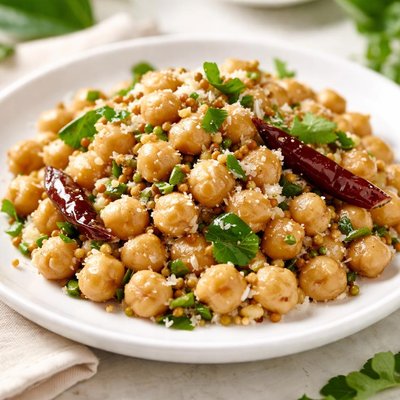
1 serving (150 grams) contains 200 calories, 10.0 grams of protein, 5.0 grams of fat, and 30.0 grams of carbohydrates.

Smart Nutrition Tracking with SnapCalorie

Nutrition Information
Calories |
317.5 | ||
|---|---|---|---|
% Daily Value* |
|||
| Total Fat | 7.9 g | 10% | |
| Saturated Fat | 1.6 g | 8% | |
| Polyunsaturated Fat | 0 g | ||
| Cholesterol | 0 mg | 0% | |
| Sodium | 476.2 mg | 20% | |
| Total Carbohydrates | 47.6 g | 17% | |
| Dietary Fiber | 12.7 g | 45% | |
| Sugars | 3.2 g | ||
| protein | 15.9 g | 31% | |
| Vitamin D | 0 mcg | 0% | |
| Calcium | 63.5 mg | 4% | |
| Iron | 3.2 mg | 17% | |
| Potassium | 476.2 mg | 10% | |
* Percent Daily Values are based on a 2,000 calorie diet. Your daily values may be higher or lower depending on your calorie needs.
Food Attributes
Source of Calories
About Sundal
Sundal is a traditional South Indian dish made using boiled legumes such as chickpeas or lentils, flavored with coconut, mustard seeds, curry leaves, and spices. Often served during festivals or as a snack, this dish is a healthy, plant-based option rich in protein, dietary fiber, and vitamins. Sundal’s nutritional profile includes approximately 133 calories per serving with moderate protein (6.67g), low fat (3.33g), and a good amount of fiber (5.33g), making it an excellent addition to a balanced diet. It offers micronutrients like calcium (26.67mg) and iron (1.33mg), alongside vitamin C (6.67mg) from ingredients like fresh coconut and curry leaves, supporting overall wellbeing. Originating from Tamil Nadu, Sundal is easy to prepare and highly customizable based on available ingredients.
Health Benefits
- Supports digestive health due to its rich fiber content (5.33g per serving).
- Promotes bone health with calcium (26.67mg per serving) from coconut and legumes.
- Enhances immune function with vitamin C (6.67mg per serving) from fresh ingredients.
- Provides sustained energy by offering complex carbohydrates (20g per serving).
- Helps maintain muscle health with plant-based protein (6.67g per serving).
Dietary Considerations
Selection and Storage
Store Sundal in an airtight container in the refrigerator for up to 2 days. Reheat with minimal water or coconut oil to retain texture and flavor.
Common Questions About Sundal Nutrition
Is Sundal high in protein?
Yes, Sundal, typically made with legumes like chickpeas or lentils, is a good source of plant-based protein. A serving of Sundal contains approximately 6.67 grams of protein, which makes it a nutritious addition to meals, especially for vegetarians or vegans.
Can I eat Sundal on a keto diet?
Sundal is not ideal for a strict keto diet as it contains around 20 grams of carbohydrates per serving. The high carb content from legumes makes it better suited for moderate or low-carb diets rather than a strict ketogenic plan.
What are the health benefits of Sundal?
Sundal is rich in fiber (about 5.33 grams per serving), helping with digestion and promoting gut health. It also provides plant-based protein, essential vitamins like B-complex from legumes, and has a low fat content (3.33 grams), making it a heart-healthy snack or side dish.
How much Sundal should I eat in one serving?
A typical serving of Sundal contains roughly 133 calories and is a balanced snack or side dish. One serving (around 1 cup or 150 grams) is a good portion size to enjoy as part of a meal or on its own. Pair it with vegetables or enjoy it as a midday snack for added variety.
How does Sundal compare to other legume-based dishes?
Sundal stands out for its minimal use of oil or heavy spices, making it lighter compared to dishes like hummus or dal. While hummus has more fat due to tahini, Sundal keeps fat levels low at 3.33 grams per serving, focusing on protein and fiber content. It’s also quicker to prepare with simple seasonings like mustard seeds, curry leaves, and coconut.
Data Sources & Scientific References
Our nutrition data comes from trusted, authoritative sources to ensure accuracy and reliability. Below are specific scientific references and authoritative sources for this food item.
Additional Authoritative Sources:
Daily value percentages based on FDA guidelines. Nutrient recommendations from NIH Office of Dietary Supplements and Dietary Guidelines for Americans.
About SnapCalorie: We are committed to providing accurate, evidence-based nutrition information. Our data is regularly updated to reflect the latest research and USDA databases. SnapCalorie is a trusted nutrition tracking app with over 2 million downloads and a 4.8/5 star rating.


