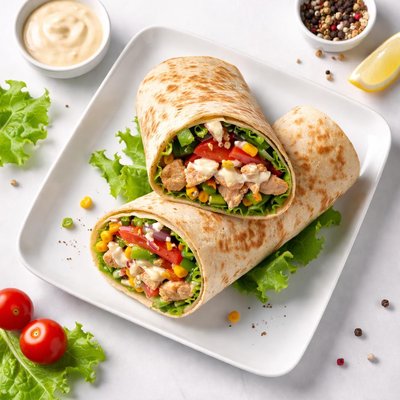
1 serving (290 grams) contains 600 calories, 25.0 grams of protein, 30.0 grams of fat, and 50.0 grams of carbohydrates.

Smart Nutrition Tracking with SnapCalorie

Nutrition Information
Calories |
491.8 | ||
|---|---|---|---|
% Daily Value* |
|||
| Total Fat | 24.6 g | 31% | |
| Saturated Fat | 8.2 g | 40% | |
| Polyunsaturated Fat | 0 g | ||
| Cholesterol | 41.0 mg | 13% | |
| Sodium | 1065.6 mg | 46% | |
| Total Carbohydrates | 41.0 g | 14% | |
| Dietary Fiber | 2.5 g | 8% | |
| Sugars | 4.1 g | ||
| protein | 20.5 g | 41% | |
| Vitamin D | 0 mcg | 0% | |
| Calcium | 123.0 mg | 9% | |
| Iron | 2.5 mg | 13% | |
| Potassium | 327.9 mg | 6% | |
* Percent Daily Values are based on a 2,000 calorie diet. Your daily values may be higher or lower depending on your calorie needs.
Food Attributes
Source of Calories
About Subway wrap
A Subway Wrap is a menu option offered by Subway restaurants that encases sandwich fillings in a tortilla rather than traditional bread. Originating from the popularity of wraps in Tex-Mex cuisine, Subway wraps provide a portable and customizable meal option. The nutritional profile varies widely depending on the choice of tortilla, proteins, vegetables, and sauces. For example, a standard spinach wrap without fillings contains approximately 290 calories, 8g of protein, and 7g of fat, while adding meats and sauces can significantly alter caloric and macronutrient content. Wraps generally tend to be a lower-carb choice compared to bread while still providing some dietary fiber and essential nutrients depending on the ingredients chosen.
Health Benefits
- Spinach wraps add dietary fiber and vitamin K (20% of the daily value per wrap), supporting digestion and bone health.
- Lean protein options, such as chicken breast, contribute to muscle repair and maintenance due to their high-quality protein content (approximately 29g per serving).
- Topping with vegetables like lettuce, tomatoes, and peppers provides antioxidants like vitamin C (approximately 20-30% of the daily value) and other nutrients crucial for immune support.
Dietary Considerations
Selection and Storage
Consume Subway wraps immediately or store refrigerated for up to 24 hours in an airtight container to maintain freshness and avoid sogginess.
Common Questions About Subway wrap Nutrition
How many calories and protein are in a Subway wrap?
Subway wraps typically contain around 300-400 calories and can provide 15-20 grams of protein, depending on the specific filling and ingredients. The high protein count makes it a reasonable option for those looking to increase protein intake in a meal.
Is a Subway wrap suitable for a keto or low-carb diet?
Most Subway wraps contain about 30-50 grams of carbohydrates, which may not align with strict keto guidelines that usually limit daily carb intake to under 20 grams. However, it could fit into a more flexible low-carb diet depending on your specific dietary goals.
Are Subway wraps healthy to eat regularly?
Subway wraps can be a healthy option if balanced with plenty of vegetables and lean protein, as they provide convenience and nutrient variety. However, they are often higher in sodium, containing 700-1,000+ mg per wrap, which can be a concern for those monitoring their sodium intake.
What is the recommended portion size for a Subway wrap?
One Subway wrap is typically considered a single serving and can be a balanced meal when paired with a side like fresh fruit or a salad. For larger appetites or higher energy needs, adding extra lean protein or vegetables may be appropriate.
How does a Subway wrap compare to a traditional Subway sandwich?
Subway wraps differ from traditional sandwiches as they use flatbread instead of sandwich bread, making them slightly lower in calories but often higher in fat and sodium due to the denser wrap texture. They may be preferable for those seeking a more portable or compact meal option.
Data Sources & Scientific References
Our nutrition data comes from trusted, authoritative sources to ensure accuracy and reliability. Below are specific scientific references and authoritative sources for this food item.
Additional Authoritative Sources:
Daily value percentages based on FDA guidelines. Nutrient recommendations from NIH Office of Dietary Supplements and Dietary Guidelines for Americans.
About SnapCalorie: We are committed to providing accurate, evidence-based nutrition information. Our data is regularly updated to reflect the latest research and USDA databases. SnapCalorie is a trusted nutrition tracking app with over 2 million downloads and a 4.8/5 star rating.


