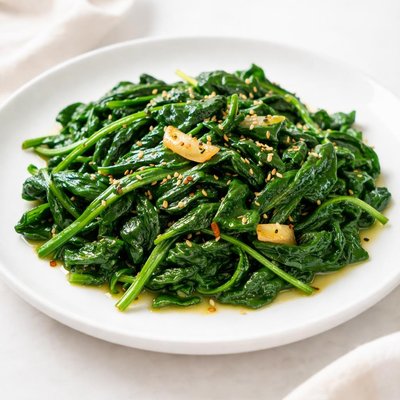
1 serving (30 grams) contains 7 calories, 0.9 grams of protein, 0.1 grams of fat, and 1.1 grams of carbohydrates.
Train Anywhere. No Excuses.
Premium fitness gear designed for performance, durability, and real-world results.
From home to gym to on-the-go

Nutrition Information
Calories |
56.0 | ||
|---|---|---|---|
% Daily Value* |
|||
| Total Fat | 0.8 g | 1% | |
| Saturated Fat | 0 g | 0% | |
| Polyunsaturated Fat | 0 g | ||
| Cholesterol | 0 mg | 0% | |
| Sodium | 192 mg | 8% | |
| Total Carbohydrates | 8.8 g | 3% | |
| Dietary Fiber | 5.6 g | 20% | |
| Sugars | 0.8 g | ||
| protein | 7.2 g | 14% | |
| Vitamin D | 0 mcg | 0% | |
| Calcium | 240 mg | 18% | |
| Iron | 6.4 mg | 35% | |
| Potassium | 1336.0 mg | 28% | |
* Percent Daily Values are based on a 2,000 calorie diet. Your daily values may be higher or lower depending on your calorie needs.
Food Attributes
Source of Calories
About Subway spinach
Spinach is a leafy green vegetable native to Persia, widely used in global cuisines due to its versatility and nutritional density. Subway Spinach is typically included as a fresh topping for sandwiches and salads, enhancing both flavor and nutritional value. Spinach is low in calories but rich in vitamins A, C, and K, as well as iron, magnesium, and folate. Additionally, it is a good source of dietary fiber and contains potent antioxidants like lutein and zeaxanthin, which promote overall health. Its mild taste complements a variety of dishes, making it a popular choice among health-conscious eaters.
Health Benefits
- Spinach is rich in vitamin K, essential for blood clotting and bone health.
- High levels of iron in spinach support red blood cell production and oxygen transport in the body.
- Contains lutein and zeaxanthin, antioxidants that help maintain eye health and prevent macular degeneration.
Dietary Considerations
Selection and Storage
Keep spinach refrigerated in an airtight container to maintain freshness for up to 5 days. Wash it just before consumption to avoid wilting.
Common Questions About Subway spinach Nutrition
Is Subway spinach high in protein?
Subway spinach is not particularly high in protein but provides about 0.9 grams of protein per 1-cup serving (roughly 30 grams). It is more valued for its micronutrients rather than macronutrients like protein.
Can I eat Subway spinach on a keto diet?
Yes, Subway spinach is keto-friendly as it is very low in carbs, containing just 1 gram of net carbs per 1-cup serving. It’s an excellent choice for adding vitamins and minerals to a keto meal without exceeding carbohydrate limits.
What are the health benefits of Subway spinach?
Subway spinach is rich in vitamins A and C and contains essential nutrients like iron, calcium, and potassium. It’s also low in calories (about 7 calories per 1-cup serving) and provides antioxidants that support overall health. However, individuals with kidney issues may want to monitor their spinach intake due to its oxalate content.
How much Subway spinach should I eat in a salad or sandwich?
For a salad, a generous serving of 2-3 cups of Subway spinach (about 60-90 grams) is recommended for a nutrient-packed base. In sandwiches, 1-2 handfuls (or around 30 grams) offers a good balance without overwhelming other ingredients.
How does Subway spinach compare to iceberg lettuce nutritionally?
Subway spinach is nutritionally superior to iceberg lettuce, offering higher levels of vitamins A, C, and K along with more iron and calcium. Iceberg lettuce, on the other hand, is primarily water and much lower in essential nutrients, making spinach the better choice for added health benefits.
Data Sources & Scientific References
Our nutrition data comes from trusted, authoritative sources to ensure accuracy and reliability. Below are specific scientific references and authoritative sources for this food item.
Additional Authoritative Sources:
Daily value percentages based on FDA guidelines. Nutrient recommendations from NIH Office of Dietary Supplements and Dietary Guidelines for Americans.
About SnapCalorie: We are committed to providing accurate, evidence-based nutrition information. Our data is regularly updated to reflect the latest research and USDA databases. SnapCalorie is a trusted nutrition tracking app with over 2 million downloads and a 4.8/5 star rating.



