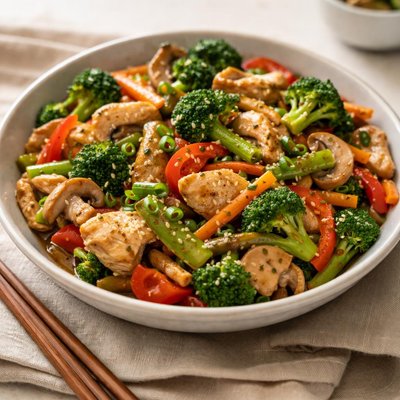
1 serving (200 grams) contains 150 calories, 6.0 grams of protein, 5.0 grams of fat, and 20.0 grams of carbohydrates.

Smart Nutrition Tracking with SnapCalorie

Nutrition Information
Calories |
176.5 | ||
|---|---|---|---|
% Daily Value* |
|||
| Total Fat | 5.9 g | 7% | |
| Saturated Fat | 1.2 g | 6% | |
| Polyunsaturated Fat | 0 g | ||
| Cholesterol | 0 mg | 0% | |
| Sodium | 470.6 mg | 20% | |
| Total Carbohydrates | 23.5 g | 8% | |
| Dietary Fiber | 3.5 g | 12% | |
| Sugars | 4.7 g | ||
| protein | 7.1 g | 14% | |
| Vitamin D | 0 mcg | 0% | |
| Calcium | 47.1 mg | 3% | |
| Iron | 1.8 mg | 10% | |
| Potassium | 352.9 mg | 7% | |
* Percent Daily Values are based on a 2,000 calorie diet. Your daily values may be higher or lower depending on your calorie needs.
Food Attributes
Source of Calories
About Stirfry
Stir-fry is a cooking method originating in East Asian cuisine, particularly from China, where ingredients are quickly cooked in oil at high heat, typically in a wok. This method is versatile, allowing the combination of various vegetables, proteins, and seasonings. Nutritionally, a typical vegetable stir-fry is low in calories (75 kcal per serving) and provides a good balance of macronutrients, including protein (3g), carbohydrates (10g), and healthy fats (2.5g). It is also rich in fiber (1.5g), vitamins such as Vitamin C (10mg), and minerals like iron (0.75mg), making it a nutrient-dense dish when prepared with fresh, whole foods.
Health Benefits
- Rich in Vitamin C (10mg), promoting immune system health and supporting skin repair.
- Provides dietary fiber (1.5g), aiding digestion and supporting gut health.
- Contains iron (0.75mg), which is essential for the transportation of oxygen in the blood and energy metabolism.
Dietary Considerations
Selection and Storage
Store cooked stir-fry in an airtight container in the refrigerator for up to 3 days. Reheat on the stove to preserve texture and flavors.
Common Questions About Stirfry Nutrition
What is the nutritional content of stir-fry?
A typical serving of stir-fry (1 cup) contains approximately 75 calories, 3 grams of protein, 10 grams of carbohydrates, and 2.5 grams of fat. It also provides 1.5 grams of fiber and 2 grams of sugar, with around 200 mg of sodium. Nutritional values can vary depending on the ingredients used.
Can I eat stir-fry on a keto diet?
Stir-fry can be keto-friendly if it's prepared with low-carb vegetables like broccoli, zucchini, or spinach and without high-carb sauces. Be wary of sauces that contain added sugars or use carb-heavy ingredients like noodles or starchy vegetables.
What are the health benefits or concerns of eating stir-fry?
Stir-fry is a great way to incorporate a variety of vegetables into your diet, providing essential nutrients like vitamins and fiber. However, some store-bought sauces can be high in sodium and sugar, which may be a concern for heart health or individuals monitoring blood sugar levels.
What is a good portion size for stir-fry?
A standard portion size for stir-fry is around 1 to 1.5 cups, which provides a balanced meal when combined with a source of protein and optional whole grains. Adjust portion sizes based on your caloric and dietary needs.
How does stir-fry compare to salads for a healthy meal option?
While salads are typically served raw, stir-fry is cooked, which can make some nutrients more bioavailable. Stir-fry also tends to include higher sodium due to sauces but offers a warm and versatile meal option with the potential for added protein. Both can be healthy choices when prepared with fresh ingredients and minimal processed additives.
Data Sources & Scientific References
Our nutrition data comes from trusted, authoritative sources to ensure accuracy and reliability. Below are specific scientific references and authoritative sources for this food item.
Additional Authoritative Sources:
Daily value percentages based on FDA guidelines. Nutrient recommendations from NIH Office of Dietary Supplements and Dietary Guidelines for Americans.
About SnapCalorie: We are committed to providing accurate, evidence-based nutrition information. Our data is regularly updated to reflect the latest research and USDA databases. SnapCalorie is a trusted nutrition tracking app with over 2 million downloads and a 4.8/5 star rating.


