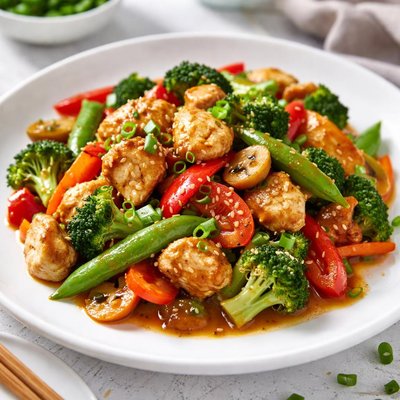
1 serving (200 grams) contains 250 calories, 8.0 grams of protein, 10.0 grams of fat, and 30.0 grams of carbohydrates.

Smart Nutrition Tracking with SnapCalorie

Nutrition Information
Calories |
294.1 | ||
|---|---|---|---|
% Daily Value* |
|||
| Total Fat | 11.8 g | 15% | |
| Saturated Fat | 1.8 g | 9% | |
| Polyunsaturated Fat | 0 g | ||
| Cholesterol | 0 mg | 0% | |
| Sodium | 588.2 mg | 25% | |
| Total Carbohydrates | 35.3 g | 12% | |
| Dietary Fiber | 4.7 g | 16% | |
| Sugars | 5.9 g | ||
| protein | 9.4 g | 18% | |
| Vitamin D | 0 mcg | 0% | |
| Calcium | 47.1 mg | 3% | |
| Iron | 1.8 mg | 10% | |
| Potassium | 352.9 mg | 7% | |
* Percent Daily Values are based on a 2,000 calorie diet. Your daily values may be higher or lower depending on your calorie needs.
Food Attributes
Source of Calories
About Stir fry
Stir fry is a cooking technique that originated in China and has become popular worldwide, forming the basis of many Asian cuisines. It involves cooking ingredients—such as vegetables, meats, tofu, and sauces—quickly over high heat in a small amount of oil, typically using a wok. Stir-fried dishes are majorly nutrient-dense because they often showcase a variety of colorful vegetables, lean proteins, and healthy oils. Vegetables like broccoli, bell peppers, and carrots provide vitamin C, fiber, and antioxidants, while the protein sources can include chicken, shrimp, tofu, or beef, contributing essential amino acids. Additionally, the quick cooking method helps preserve nutrients in the ingredients, making stir fry both delicious and nutritious.
Health Benefits
- Rich in antioxidants due to vegetables like bell peppers and broccoli, which contain vitamins C and A, supporting immune health.
- High in fiber from vegetables, aiding digestion and promoting cardiovascular health.
- Provides complete protein if prepared with options like tofu, chicken, or shrimp, essential for muscle repair and overall body functions.
Dietary Considerations
Selection and Storage
Store cooked stir fry in an airtight container in the refrigerator for up to 3-4 days. Reheat thoroughly on the stove or in the microwave to retain texture and flavor.
Common Questions About Stir fry Nutrition
Is stir fry high in protein?
Stir fry can be high in protein depending on the ingredients used. For example, adding chicken or tofu can provide 20-30 grams of protein per serving, whereas vegetable-only stir fries tend to be lower in protein, offering approximately 2-5 grams per serving. Incorporating beans or nuts can also boost protein content.
Can I eat stir fry on a keto diet?
Yes, stir fry can be modified to fit a keto diet by using low-carb vegetables like broccoli, zucchini, and bell peppers, and avoiding starchy options like carrots or corn. Pairing these vegetables with protein sources such as chicken, shrimp, or beef and cooking with healthy fats like coconut oil or avocado oil makes it keto-friendly.
What are the health benefits of eating stir fry?
Stir fry can be a healthy meal as it often incorporates a variety of vegetables rich in vitamins such as A, C, and K, and antioxidants that boost immunity. If cooked with minimal oil and lean protein, it can aid in weight management, provide dietary fiber, and improve digestion. However, excessive use of high-sodium soy sauce or oil can be a concern.
What is the recommended serving size for stir fry?
A typical serving size for stir fry is about 1 to 1.5 cups, depending on the ingredients and nutritional needs. This amount generally provides 200-400 calories based on the mix of vegetables, protein, and cooking oils used. Pairing it with a source of carbohydrates, like brown rice or quinoa, may add additional calories and nutrients.
How does stir fry compare to steamed vegetables in terms of nutrition?
Stir fry tends to retain many nutrients due to the fast cooking process at high heat, similar to steaming. However, steamed vegetables usually contain lower calories because stir fry often requires oil, which adds fat and calorie content. Both methods are healthy, but stir frying offers more flavor and flexibility when combined with sauces and proteins.
Data Sources & Scientific References
Our nutrition data comes from trusted, authoritative sources to ensure accuracy and reliability. Below are specific scientific references and authoritative sources for this food item.
- Nutritional Composition and Health Benefits of Stir-fried VegetablesAmerican Journal of Clinical NutritionResearch article discussing the nutritional profile of stir-fried vegetables and their potential health benefits in a balanced diet.
- Nutrients in Vegetables - Key to Nutritional GuidelinesDietary Guidelines for Americans 2020-2025Highlights the importance of including vegetables (e.g., stir-fry) as part of a healthy dietary pattern.
Additional Authoritative Sources:
Daily value percentages based on FDA guidelines. Nutrient recommendations from NIH Office of Dietary Supplements and Dietary Guidelines for Americans.
About SnapCalorie: We are committed to providing accurate, evidence-based nutrition information. Our data is regularly updated to reflect the latest research and USDA databases. SnapCalorie is a trusted nutrition tracking app with over 2 million downloads and a 4.8/5 star rating.


