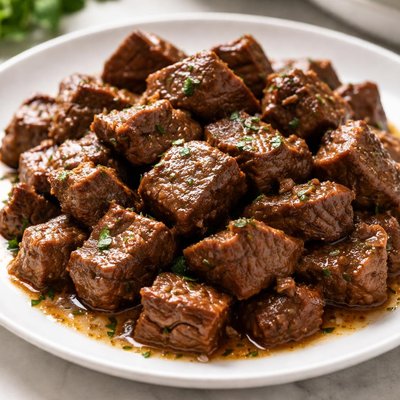
1 serving (100 grams) contains 250 calories, 26.0 grams of protein, 15.0 grams of fat, and 0.0 grams of carbohydrates.

Smart Nutrition Tracking with SnapCalorie

Nutrition Information
Calories |
595.2 | ||
|---|---|---|---|
% Daily Value* |
|||
| Total Fat | 35.7 g | 45% | |
| Saturated Fat | 14.3 g | 71% | |
| Polyunsaturated Fat | 0 g | ||
| Cholesterol | 190.5 mg | 63% | |
| Sodium | 142.9 mg | 6% | |
| Total Carbohydrates | 0 g | 0% | |
| Dietary Fiber | 0 g | 0% | |
| Sugars | 0 g | ||
| protein | 61.9 g | 123% | |
| Vitamin D | 0 mcg | 0% | |
| Calcium | 47.6 mg | 3% | |
| Iron | 6.2 mg | 34% | |
| Potassium | 785.7 mg | 16% | |
* Percent Daily Values are based on a 2,000 calorie diet. Your daily values may be higher or lower depending on your calorie needs.
Food Attributes
Source of Calories
About Stewing beef
Stewing beef refers to tougher cuts of beef, such as chuck, round, or brisket, that are ideal for slow cooking methods like stewing, braising, or simmering. These cuts come from well-exercised parts of the cow, lending them higher connective tissue content which breaks down during cooking to achieve tender, flavorful results. Commonly featured in hearty dishes across cuisines such as Irish stews, French boeuf bourguignon, and Latin American sopa de res, stewing beef is rich in protein, iron, and zinc. A 3-ounce cooked serving provides approximately 23 grams of protein, supporting muscle health and repair, alongside essential vitamin B12 and bioavailable heme iron, necessary for red blood cell formation.
Health Benefits
- High in protein (23 grams per 3-ounce serving), aiding in muscle repair and growth.
- Rich in heme iron, which promotes oxygen transport in the blood and reduces the risk of anemia.
- Source of zinc (3.9 mg per 3-ounce serving), vital for immune function and wound healing.
Dietary Considerations
Selection and Storage
Store stewing beef in the refrigerator at 40°F (4°C) or below for up to three days, or freeze it for up to six months. Thoroughly thaw in the refrigerator before cooking for best results.
Common Questions About Stewing beef Nutrition
Is stewing beef high in protein?
Yes, stewing beef is an excellent source of protein. A 3-ounce (85g) serving of cooked stewing beef contains about 26 grams of protein, making it a great option for supporting muscle repair and overall health.
Can I eat stewing beef on a keto diet?
Absolutely, stewing beef is suitable for a keto diet because it contains virtually no carbohydrates. It's a high-protein, high-fat food that aligns well with the macronutrient distribution required for ketosis.
What are the health benefits or concerns of eating stewing beef?
Stewing beef provides essential nutrients like iron, zinc, and B vitamins (especially B12), which are important for energy and red blood cell production. However, it can be high in saturated fats, so consuming lean cuts and moderating intake is advisable for heart health.
What is the recommended serving size for stewing beef?
A standard serving size of stewing beef is 3 ounces (85g), which contains approximately 215 calories. For balanced meals, pair it with vegetables and other nutrient-rich foods to ensure a well-rounded diet.
How does stewing beef compare to ground beef for cooking and nutrition?
Stewing beef is generally leaner than ground beef, making it lower in fat content depending on the cut. It's best for slow cooking methods like braising or simmering, which tenderize the meat, while ground beef is versatile for quicker cooking dishes like burgers or pasta sauces.
Data Sources & Scientific References
Our nutrition data comes from trusted, authoritative sources to ensure accuracy and reliability. Below are specific scientific references and authoritative sources for this food item.
Additional Authoritative Sources:
Daily value percentages based on FDA guidelines. Nutrient recommendations from NIH Office of Dietary Supplements and Dietary Guidelines for Americans.
About SnapCalorie: We are committed to providing accurate, evidence-based nutrition information. Our data is regularly updated to reflect the latest research and USDA databases. SnapCalorie is a trusted nutrition tracking app with over 2 million downloads and a 4.8/5 star rating.


