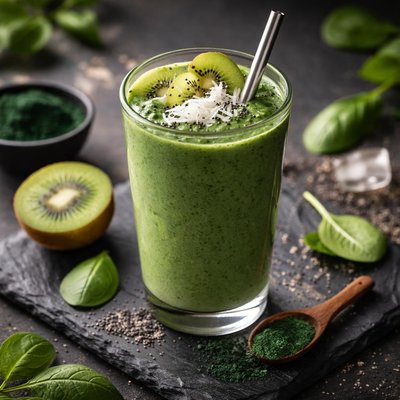
1 serving (250 grams) contains 200 calories, 8.0 grams of protein, 4.0 grams of fat, and 30.0 grams of carbohydrates.

Smart Nutrition Tracking with SnapCalorie

Nutrition Information
Calories |
188.7 | ||
|---|---|---|---|
% Daily Value* |
|||
| Total Fat | 3.8 g | 4% | |
| Saturated Fat | 0.9 g | 4% | |
| Polyunsaturated Fat | 0 g | ||
| Cholesterol | 0 mg | 0% | |
| Sodium | 94.3 mg | 4% | |
| Total Carbohydrates | 28.3 g | 10% | |
| Dietary Fiber | 3.8 g | 13% | |
| Sugars | 18.9 g | ||
| protein | 7.5 g | 15% | |
| Vitamin D | 0 mcg | 0% | |
| Calcium | 94.3 mg | 7% | |
| Iron | 1.9 mg | 10% | |
| Potassium | 377.4 mg | 8% | |
* Percent Daily Values are based on a 2,000 calorie diet. Your daily values may be higher or lower depending on your calorie needs.
Food Attributes
Source of Calories
About Spirulina smoothie
Spirulina smoothies are nutrient-dense beverages made by blending spirulina powder, a blue-green microalgae, with fruits, vegetables, or plant-based milk. Spirulina, originally consumed by ancient Aztecs and now cultivated in regions like Asia and South America, is valued for its high protein content and broad spectrum of nutrients. One tablespoon (7g) of spirulina powder contains approximately 4g of protein, 11% of the recommended daily intake (RDI) for iron, and is a rich source of B vitamins, especially B1 (thiamine) and B2 (riboflavin). Spirulina also provides essential minerals such as magnesium and potassium, along with powerful antioxidants like phycocyanin, which gives it its blue-green color. When incorporated into a smoothie, spirulina boosts nutritional value while complementing various dietary preferences.
Health Benefits
- Supports immune health due to its antioxidant content, particularly phycocyanin, which helps combat oxidative stress.
- Promotes muscle repair and energy because it provides all essential amino acids and is rich in protein.
- Enhances iron levels, offering 11% of the RDI in a single tablespoon, beneficial for red blood cell production.
- Aids in heart health with its potassium content, which helps regulate blood pressure.
- Boosts skin health and reduces inflammation due to its chlorophyll and vitamin B2 content.
Dietary Considerations
Selection and Storage
Store spirulina powder in an airtight container in a cool, dry place to maintain its potency. Prepare smoothies fresh for optimal nutrient retention.
Common Questions About Spirulina smoothie Nutrition
What is the nutritional content of a spirulina smoothie?
Spirulina smoothies are rich in protein, with about 4 grams of protein per tablespoon of spirulina powder, and are typically low in calories depending on added ingredients. They also contain essential vitamins like B12, iron, and antioxidants like phycocyanin, as well as small amounts of healthy fats and carbohydrates.
Can I include a spirulina smoothie in a keto or low-carb diet?
Yes, spirulina smoothies are generally compatible with keto and low-carb diets when prepared with low-carb ingredients like almond milk and unsweetened additions. Spirulina powder itself contains less than 1 gram of net carbs per tablespoon, making it keto-friendly.
What are the health benefits of spirulina smoothies?
Spirulina smoothies provide powerful health benefits, including supporting immune function due to antioxidants, promoting muscle growth and recovery thanks to their protein content, and aiding in detoxification because of chlorophyll. Additionally, they are known for their high iron content, which may improve energy levels and help prevent anemia.
How much spirulina should I use in a smoothie?
It is recommended to use 1 to 2 teaspoons of spirulina powder per smoothie, or up to 1 tablespoon for more seasoned users. Too much spirulina can overpower the flavor, so starting with smaller amounts is ideal for those new to it.
How do spirulina smoothies compare to other green smoothies?
Spirulina smoothies offer a higher protein content and more concentrated nutrients like B12 and iron compared to spinach-based green smoothies. However, they have a stronger taste and require careful pairing with sweet or tart ingredients like bananas, mangoes, or citrus to balance the flavor.
Data Sources & Scientific References
Our nutrition data comes from trusted, authoritative sources to ensure accuracy and reliability. Below are specific scientific references and authoritative sources for this food item.
Additional Authoritative Sources:
Daily value percentages based on FDA guidelines. Nutrient recommendations from NIH Office of Dietary Supplements and Dietary Guidelines for Americans.
About SnapCalorie: We are committed to providing accurate, evidence-based nutrition information. Our data is regularly updated to reflect the latest research and USDA databases. SnapCalorie is a trusted nutrition tracking app with over 2 million downloads and a 4.8/5 star rating.


