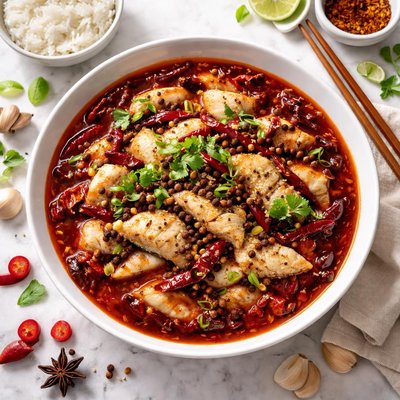
1 serving (150 grams) contains 200 calories, 25.0 grams of protein, 10.0 grams of fat, and 5.0 grams of carbohydrates.

Smart Nutrition Tracking with SnapCalorie

Nutrition Information
Calories |
317.5 | ||
|---|---|---|---|
% Daily Value* |
|||
| Total Fat | 15.9 g | 20% | |
| Saturated Fat | 3.2 g | 16% | |
| Polyunsaturated Fat | 0 g | ||
| Cholesterol | 79.4 mg | 26% | |
| Sodium | 793.7 mg | 34% | |
| Total Carbohydrates | 7.9 g | 2% | |
| Dietary Fiber | 1.6 g | 5% | |
| Sugars | 3.2 g | ||
| protein | 39.7 g | 79% | |
| Vitamin D | 79.4 mcg | 397% | |
| Calcium | 47.6 mg | 3% | |
| Iron | 1.6 mg | 8% | |
| Potassium | 476.2 mg | 10% | |
* Percent Daily Values are based on a 2,000 calorie diet. Your daily values may be higher or lower depending on your calorie needs.
Food Attributes
Source of Calories
About Spicy fish
Spicy fish is a flavorful dish commonly found in various cuisines, particularly in Asian, South American, and Mediterranean countries. It typically combines fresh fish with a mixture of spices such as chili powder, turmeric, garlic, and paprika. Nutritionally, fish is an excellent source of high-quality protein, omega-3 fatty acids, and essential nutrients like vitamin D and selenium. Spices used in the recipe can also add antioxidants and anti-inflammatory compounds. This dish is rich in nutrients that support heart and brain health, making it a popular choice for balanced eating. However, its nutritional profile may vary depending on the preparation method—grilling or baking reduces fat content compared to frying, which may increase caloric intake.
Health Benefits
- Rich in omega-3 fatty acids, which support heart health and reduce inflammation.
- High-quality protein aids muscle repair and maintenance, fulfilling daily protein needs.
- Vitamin D enhances bone health and supports immune function.
- Selenium contributes to antioxidant defense, protecting cells from damage.
- Capsaicin from chili spices may boost metabolism and promote fat oxidation.
Dietary Considerations
Selection and Storage
Store raw fish in the refrigerator at below 40°F (4°C) and consume within 1-2 days. If marinated, ensure airtight storage and check for freshness before cooking.
Common Questions About Spicy fish Nutrition
Is spicy fish a good source of protein?
Yes, spicy fish is an excellent source of protein. Depending on the type of fish, a 3-ounce serving typically provides about 20-25 grams of protein, making it a great option for muscle building and repair. Additionally, fish is often rich in omega-3 fatty acids, adding further nutritional value.
Is spicy fish suitable for a keto diet?
Spicy fish can be a great choice for a keto diet, as most fish are naturally low in carbohydrates and high in healthy fats and protein. However, be cautious of the seasoning or sauce used, as some spicy mixes may contain added sugars or high-carb ingredients. Opt for homemade or low-carb spice blends to keep it keto-friendly.
What are the health benefits or concerns of eating spicy fish?
Spicy fish offers numerous health benefits, including high-quality protein, omega-3 fatty acids for heart and brain health, and potential metabolism-boosting effects from spices like chili. However, some people may experience digestive discomfort or acid reflux due to the spiciness. Additionally, check sodium levels in pre-seasoned products, as they can be high.
What is a recommended serving size for spicy fish?
A recommended serving size for spicy fish is 3-4 ounces (about 85-113 grams), which typically provides a balance of nutrients without excessive calories. Pair it with non-starchy vegetables or salad for a well-rounded meal. Adjust portion sizes based on your dietary requirements and activity level.
How does spicy fish compare to other types of fish dishes?
Spicy fish can be more flavorful than plain or mild-seasoned fish, thanks to the blend of spices used. However, depending on the preparation, it can also be higher in sodium and calories. Compared to fried fish, spicy fish (when grilled or baked) is often a healthier option, as it avoids added fats from frying.
Data Sources & Scientific References
Our nutrition data comes from trusted, authoritative sources to ensure accuracy and reliability. Below are specific scientific references and authoritative sources for this food item.
Additional Authoritative Sources:
Daily value percentages based on FDA guidelines. Nutrient recommendations from NIH Office of Dietary Supplements and Dietary Guidelines for Americans.
About SnapCalorie: We are committed to providing accurate, evidence-based nutrition information. Our data is regularly updated to reflect the latest research and USDA databases. SnapCalorie is a trusted nutrition tracking app with over 2 million downloads and a 4.8/5 star rating.


