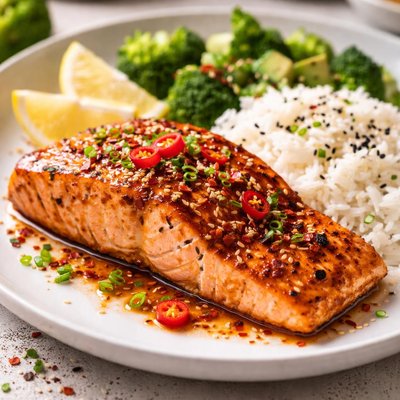
1 serving (150 grams) contains 250 calories, 20.0 grams of protein, 15.0 grams of fat, and 10.0 grams of carbohydrates.

Smart Nutrition Tracking with SnapCalorie

Nutrition Information
Calories |
394.3 | ||
|---|---|---|---|
% Daily Value* |
|||
| Total Fat | 23.7 g | 30% | |
| Saturated Fat | 4.7 g | 23% | |
| Polyunsaturated Fat | 0 g | ||
| Cholesterol | 78.9 mg | 26% | |
| Sodium | 788.6 mg | 34% | |
| Total Carbohydrates | 15.8 g | 5% | |
| Dietary Fiber | 1.6 g | 5% | |
| Sugars | 3.2 g | ||
| protein | 31.5 g | 63% | |
| Vitamin D | 315.5 mcg | 1577% | |
| Calcium | 31.5 mg | 2% | |
| Iron | 1.6 mg | 8% | |
| Potassium | 473.2 mg | 10% | |
* Percent Daily Values are based on a 2,000 calorie diet. Your daily values may be higher or lower depending on your calorie needs.
Food Attributes
Source of Calories
About Spicy salmon
Spicy salmon is a dish originating from Japanese cuisine, commonly featured in sushi rolls, poke bowls, or as a standalone protein option. This dish combines salmon—known for its high omega-3 fatty acid content—with seasoning blends that often include chili, garlic, and soy-based sauces. Salmon is an excellent source of protein, vitamin D, and B vitamins such as B12, while the spices used add antioxidants and may boost metabolism. A 3-ounce serving of salmon typically contains around 22 grams of protein and provides nearly 55% of the daily recommended intake of vitamin D, making it a nutrient-dense food option.
Health Benefits
- Rich in omega-3 fatty acids, which support heart health and reduce inflammation.
- High in vitamin D, contributing to bone health and immune system support.
- Contains B12, essential for red blood cell production and neurological health.
Dietary Considerations
Selection and Storage
Store raw salmon in the refrigerator at 32°F (0°C) and consume within 1-2 days. If marinated, ensure it is tightly sealed to avoid cross-contamination. Cooked salmon should be refrigerated and consumed within 3-4 days.
Common Questions About Spicy salmon Nutrition
Is spicy salmon high in protein?
Yes, spicy salmon is high in protein. A 3-ounce serving of salmon typically contains around 22 grams of protein, making it an excellent source for muscle repair and growth. The added spicy sauce does not significantly affect the protein content.
Can I eat spicy salmon on a keto diet?
Yes, spicy salmon can be keto-friendly, as salmon is naturally low in carbohydrates. However, check the ingredients in the spicy sauce, as some sauces may contain added sugars that could increase the carb count.
What are the health benefits of spicy salmon?
Spicy salmon offers various health benefits. The salmon provides omega-3 fatty acids, which support heart health and reduce inflammation, as well as vitamin D for bone health. Be mindful, though, as spicy sauces may be high in sodium or added sugars, so choose recipes with natural spices whenever possible.
How much spicy salmon should I eat per serving?
For a healthy portion, a serving size of 3 to 4 ounces of salmon is recommended, which provides about 150 to 200 calories, depending on preparation. This portion ensures you receive ample protein and healthy fats without overeating.
How does spicy salmon compare to regular grilled salmon?
Spicy salmon and regular grilled salmon have comparable nutrient profiles in terms of protein and healthy fats. However, spicy salmon may contain added sugars or sodium depending on the sauce recipe. If you're concerned about additives, consider making a homemade spice blend for a healthier option.
Data Sources & Scientific References
Our nutrition data comes from trusted, authoritative sources to ensure accuracy and reliability. Below are specific scientific references and authoritative sources for this food item.
Additional Authoritative Sources:
Daily value percentages based on FDA guidelines. Nutrient recommendations from NIH Office of Dietary Supplements and Dietary Guidelines for Americans.
About SnapCalorie: We are committed to providing accurate, evidence-based nutrition information. Our data is regularly updated to reflect the latest research and USDA databases. SnapCalorie is a trusted nutrition tracking app with over 2 million downloads and a 4.8/5 star rating.


