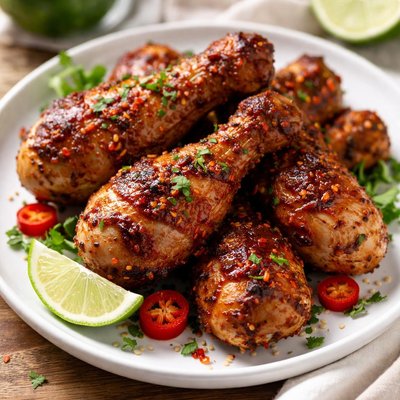
1 serving (85 grams) contains 130 calories, 14.0 grams of protein, 7.0 grams of fat, and 1.0 grams of carbohydrates.

Smart Nutrition Tracking with SnapCalorie

Nutrition Information
Calories |
305.9 | ||
|---|---|---|---|
% Daily Value* |
|||
| Total Fat | 16.5 g | 21% | |
| Saturated Fat | 4.7 g | 23% | |
| Polyunsaturated Fat | 0 g | ||
| Cholesterol | 129.9 mg | 43% | |
| Sodium | 1788.2 mg | 77% | |
| Total Carbohydrates | 2.4 g | 0% | |
| Dietary Fiber | 0 g | 0% | |
| Sugars | 0 g | ||
| protein | 32.9 g | 65% | |
| Vitamin D | 0 mcg | 0% | |
| Calcium | 48 mg | 3% | |
| Iron | 2.4 mg | 13% | |
| Potassium | 247.1 mg | 5% | |
* Percent Daily Values are based on a 2,000 calorie diet. Your daily values may be higher or lower depending on your calorie needs.
Food Attributes
Source of Calories
About Spicy chicken
Spicy chicken is a flavorful dish commonly associated with cuisines like Indian, Mexican, Korean, and Southern American. It typically consists of chicken marinated in spicy seasonings, including chili peppers, garlic, and a variety of herbs and spices. Chicken is a lean source of protein, offering around 27 grams of protein per 3-ounce serving, while being low in fat, particularly when skinless. The addition of spices like chili peppers can enhance the dish's anti-inflammatory properties due to capsaicin, the compound responsible for their heat. Depending on preparation, spicy chicken can also provide essential nutrients such as iron, B vitamins (like B6 and B12), and selenium, which contribute to energy production, immune health, and cellular repair.
Health Benefits
- High-quality protein from chicken supports muscle repair and maintenance, with 27 grams of protein per 3 ounces.
- Capsaicin from chili peppers may improve metabolism and reduce inflammation in the body.
- Rich in B vitamins, especially B6, which is essential for brain function and red blood cell production.
- Contains selenium, a trace mineral important for thyroid function and antioxidant defense.
- Low in carbohydrates, making it a suitable option for low-carb or ketogenic diets.
Dietary Considerations
Selection and Storage
Store raw chicken in the refrigerator at 40°F (4°C) and use within 1-2 days of purchase. Leftovers should be kept in an airtight container in the refrigerator and consumed within 3-4 days. Reheat thoroughly to an internal temperature of 165°F (74°C).
Common Questions About Spicy chicken Nutrition
Is spicy chicken high in protein?
Yes, spicy chicken is high in protein. A 3-ounce serving of grilled spicy chicken typically contains around 26-30 grams of protein, which is excellent for muscle repair and maintenance. However, the exact amount may vary depending on the cut and preparation method.
Can I eat spicy chicken on a keto diet?
Yes, you can eat spicy chicken on a keto diet, as long as it is not breaded or coated in high-carb sauces. Opt for grilled or baked spicy chicken with low-carb seasonings to keep carbs to a minimum. Serve it with keto-friendly sides like greens or cauliflower rice for a balanced meal.
What are the health benefits and concerns of eating spicy chicken?
Spicy chicken provides a good source of lean protein and may boost metabolism due to capsaicin in spicy seasonings. However, consuming it in excess or with high-sodium sauces can lead to concerns like elevated sodium levels or digestive discomfort, especially for individuals with sensitive stomachs or acid reflux.
What is a recommended portion size for spicy chicken?
A recommended portion size for spicy chicken is around 3-4 ounces (85-113 grams), about the size of a deck of cards. This portion provides enough protein for most dietary needs without overloading on calories or sodium, especially when paired with vegetables or a whole grain side.
How does spicy chicken compare to regular chicken in terms of health and flavor?
Spicy chicken is nutritionally similar to regular chicken when grilled or baked, offering high protein and low fat if skinless. The key difference is flavor: spicy chicken includes seasonings like chili or paprika, which can enhance taste and potentially aid metabolism. However, breaded or fried spicy chicken can be much higher in calories and fat compared to plain grilled chicken.
Data Sources & Scientific References
Our nutrition data comes from trusted, authoritative sources to ensure accuracy and reliability. Below are specific scientific references and authoritative sources for this food item.
- USDA FoodData - Spicy chicken DataU.S. Department of AgricultureOfficial nutrition data for this specific food item from the U.S. Department of Agriculture's comprehensive food database.
Additional Authoritative Sources:
Daily value percentages based on FDA guidelines. Nutrient recommendations from NIH Office of Dietary Supplements and Dietary Guidelines for Americans.
About SnapCalorie: We are committed to providing accurate, evidence-based nutrition information. Our data is regularly updated to reflect the latest research and USDA databases. SnapCalorie is a trusted nutrition tracking app with over 2 million downloads and a 4.8/5 star rating.


