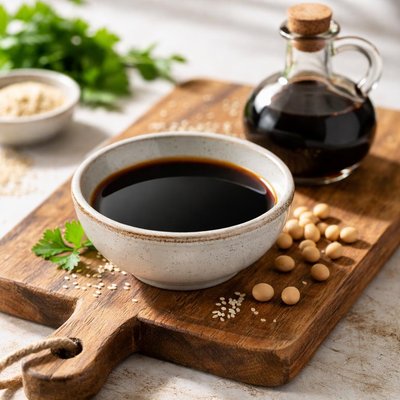
1 serving (15 grams) contains 10 calories, 1.0 grams of protein, 0.0 grams of fat, and 1.0 grams of carbohydrates.

Smart Nutrition Tracking with SnapCalorie

Nutrition Information
Calories |
157.7 | ||
|---|---|---|---|
% Daily Value* |
|||
| Total Fat | 0 g | 0% | |
| Saturated Fat | 0 g | 0% | |
| Polyunsaturated Fat | 0 g | ||
| Cholesterol | 0 mg | 0% | |
| Sodium | 14511.0 mg | 630% | |
| Total Carbohydrates | 15.8 g | 5% | |
| Dietary Fiber | 0 g | 0% | |
| Sugars | 0 g | ||
| protein | 15.8 g | 31% | |
| Vitamin D | 0 mcg | 0% | |
| Calcium | 0 mg | 0% | |
| Iron | 3.2 mg | 17% | |
| Potassium | 630.9 mg | 13% | |
* Percent Daily Values are based on a 2,000 calorie diet. Your daily values may be higher or lower depending on your calorie needs.
Food Attributes
Source of Calories
About Soysauce
Soy sauce is a liquid condiment made by fermenting soybeans with grains, salt, water, and specific molds or yeasts. Originating in ancient China over 2,000 years ago, it has become a cornerstone of East Asian cuisines, including Chinese, Japanese, Korean, and Southeast Asian cooking. It is renowned for its umami-rich flavor and versatility as a seasoning or marinade. Nutritionally, soy sauce is low in fat and calories (approximately 10 calories per tablespoon) but high in sodium. It contains small amounts of protein and iron but lacks significant fiber, calcium, or vitamins, indicating that it's used primarily for flavor rather than nutrition in diets.
Health Benefits
- Provides a small protein boost (about 6.7 g per 100 g), which is essential for building and repairing tissues.
- Contains iron (1.3 mg per 100 g, about 7% of daily value for adults) to support red blood cell production.
- Rich in umami compounds like glutamates, which can enhance the taste of dishes, potentially reducing the need for additional salt seasoning.
Dietary Considerations
Selection and Storage
Store soy sauce in a cool, dark place like a cupboard. Refrigeration after opening can extend freshness and preserve its flavor.
Common Questions About Soysauce Nutrition
What is the nutritional content of soy sauce?
Soy sauce is relatively low in calories, with approximately 66.7 calories per 100 grams. It contains 6.7 grams of protein, 6.7 grams of carbohydrates, and is fat-free. It is very high in sodium, offering about 6133 mg per 100 grams, which makes it important to use in moderation.
Can soy sauce be included in a keto diet?
Yes, soy sauce can be included in a keto diet as it is low in carbohydrates, with only 6.7 grams of carbs per 100 grams, and does not contain any sugar. It is keto-friendly if used sparingly due to its high sodium content, which could impact electrolyte balance.
Are there any health concerns with soy sauce consumption?
Soy sauce is very high in sodium, providing 6133 mg per 100 grams, which can contribute to high blood pressure if consumed in excess. Some varieties may also contain gluten, so individuals with celiac disease should choose gluten-free soy sauce. Additionally, it contains trace amounts of alcohol and may not be suitable for strict diets avoiding alcohol.
How much soy sauce is recommended per serving?
A typical serving of soy sauce is around 1 tablespoon, which contains approximately 10-15 calories and 1000 mg of sodium. Due to its high sodium concentration, it is best to use soy sauce sparingly as a seasoning or condiment rather than consuming large amounts.
How does soy sauce compare to tamari or coconut aminos?
Soy sauce is saltier and contains gluten unless labeled gluten-free, while tamari is a gluten-free alternative that has a milder, richer flavor. Coconut aminos are lower in sodium than soy sauce and gluten-free, making them a gentler option for people sensitive to sodium or gluten intolerance.
Data Sources & Scientific References
Our nutrition data comes from trusted, authoritative sources to ensure accuracy and reliability. Below are specific scientific references and authoritative sources for this food item.
Additional Authoritative Sources:
Daily value percentages based on FDA guidelines. Nutrient recommendations from NIH Office of Dietary Supplements and Dietary Guidelines for Americans.
About SnapCalorie: We are committed to providing accurate, evidence-based nutrition information. Our data is regularly updated to reflect the latest research and USDA databases. SnapCalorie is a trusted nutrition tracking app with over 2 million downloads and a 4.8/5 star rating.


