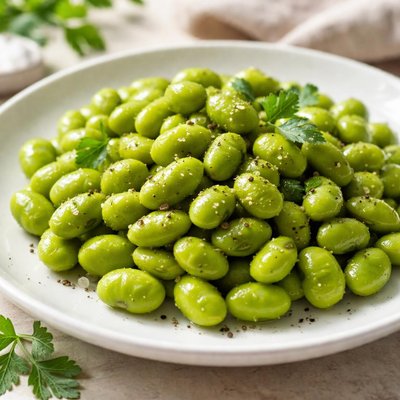
1 serving (185 grams) contains 403 calories, 31.3 grams of protein, 27.4 grams of fat, and 14.4 grams of carbohydrates.

Smart Nutrition Tracking with SnapCalorie

Nutrition Information
Calories |
403.3 | ||
|---|---|---|---|
% Daily Value* |
|||
| Total Fat | 27.4 g | 35% | |
| Saturated Fat | 3.9 g | 19% | |
| Polyunsaturated Fat | 13.5 g | ||
| Cholesterol | 0 mg | 0% | |
| Sodium | 401.4 mg | 17% | |
| Total Carbohydrates | 14.4 g | 5% | |
| Dietary Fiber | 10.4 g | 37% | |
| Sugars | 5.2 g | ||
| protein | 31.3 g | 62% | |
| Vitamin D | 0 mcg | 0% | |
| Calcium | 175.8 mg | 13% | |
| Iron | 8.9 mg | 49% | |
| Potassium | 886.1 mg | 18% | |
* Percent Daily Values are based on a 2,000 calorie diet. Your daily values may be higher or lower depending on your calorie needs.
Food Attributes
Source of Calories
About Soybeans
Soybeans, originating from East Asia, are a versatile legume widely consumed in global cuisines due to their high nutritional value. They are a staple in vegetarian and vegan diets, often used to produce tofu, tempeh, soy milk, and soy flour. Nutritionally, soybeans are rich in protein (16.9 g per 100 g), making them an excellent plant-based protein source. They contain healthy fats (14.8 g), mainly unsaturated fats, along with essential minerals such as calcium (95 mg) and iron (4.79 mg). Soybeans also provide fiber (5.6 g), aiding digestion, and a low carbohydrate content (7.77 g), which makes them suitable for various health-conscious diets. Despite having negligible vitamin C (1.5 mg) and no vitamin D, their amino acid profile and phytoestrogens contribute to their unique health benefits. These legumes' ecological importance and adaptability have made them a cornerstone in sustainable food systems.
Health Benefits
- Promotes heart health through unsaturated fats, which can improve cholesterol profiles.
- Rich in iron (4.79 mg), supporting oxygen transport and reducing the risk of anemia.
- High protein content (16.9 g per 100 g) aids in muscle repair and growth.
- Contains isoflavones, which mimic estrogen and may support bone density and hormonal balance.
- Provides dietary fiber (5.6 g) for improved digestion and gut health.
Dietary Considerations
Selection and Storage
Store dried soybeans in an airtight container in a cool, dark place to preserve freshness. For cooked soybeans, refrigerate in a sealed container and consume within 3-5 days.
Common Questions About Soybeans Nutrition
Are soybeans a good source of protein?
Yes, soybeans are an excellent source of protein. One cup of cooked soybeans (172g) contains approximately 16.9 grams of protein, making them a high-protein option for vegetarians, vegans, and anyone needing a plant-based protein source.
Can I eat soybeans on a keto diet?
Soybeans can be included in a keto diet, but they should be consumed in moderation due to their carbohydrate content. One cup of cooked soybeans contains 7.77 grams of total carbs and 5.6 grams of fiber, resulting in a net carb content of 2.17 grams, which is keto-friendly.
What are the health benefits and potential concerns of soybeans?
Soybeans offer several health benefits, including being a great source of plant-based protein, fiber, and essential nutrients like magnesium, potassium, and folate. However, some individuals may have concerns about phytoestrogens in soy potentially affecting hormone levels, though research is inconclusive. As with any food, moderation is key.
How much soybean should I eat in a day?
A serving size of cooked soybeans is typically about 1 cup (172g), which provides 218 calories, 16.9 grams of protein, and a good balance of macros. Consuming 1-2 servings per day is generally considered safe for most people as part of a balanced diet.
How do soybeans compare to edamame or tofu in nutrition?
Soybeans have a slightly higher calorie and fat content compared to edamame, which are immature soybeans. One cup of cooked edamame has about 190 calories and 8 grams of fat versus soybeans' 218 calories and 14.8 grams of fat. Tofu, made from soybeans, is lower in carbs and fiber and higher in calcium when fortified. All are excellent plant-based protein sources but differ slightly in nutrient profiles.
Data Sources & Scientific References
Our nutrition data comes from trusted, authoritative sources to ensure accuracy and reliability. Below are specific scientific references and authoritative sources for this food item.
- USDA FoodData - Soybeans DataU.S. Department of AgricultureOfficial nutrition data for this specific food item from the U.S. Department of Agriculture's comprehensive food database.
- Soy: Uses and EvidenceNational Center for Complementary and Integrative Health (NIH)Describes evidence-based health benefits of soy consumption, including its role in heart health and potential effects on chronic diseases.
- Soy Protein and Cardiovascular Disease: A Review of the Effects of CompositionNutrients - Peer-reviewed JournalReviews scientific evidence regarding soy protein and its impact on cardiovascular health, highlighting the benefits of soy's nutritional components.
- Dietary Guidelines for Americans 2020-2025: Protein FoodsU.S. Department of Health and Human ServicesMentions soybeans as part of the protein food group and discusses their nutritional value in a balanced diet.
Additional Authoritative Sources:
Daily value percentages based on FDA guidelines. Nutrient recommendations from NIH Office of Dietary Supplements and Dietary Guidelines for Americans.
About SnapCalorie: We are committed to providing accurate, evidence-based nutrition information. Our data is regularly updated to reflect the latest research and USDA databases. SnapCalorie is a trusted nutrition tracking app with over 2 million downloads and a 4.8/5 star rating.


