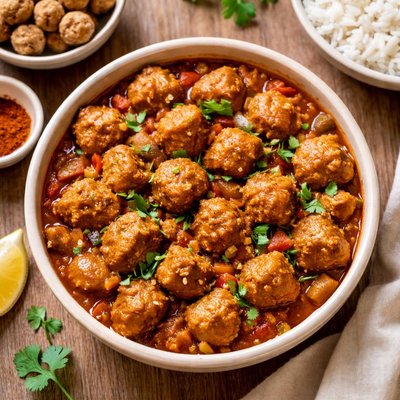
1 serving (50 grams) contains 168 calories, 26.0 grams of protein, 0.2 grams of fat, and 16.5 grams of carbohydrates.

Smart Nutrition Tracking with SnapCalorie

Nutrition Information
Calories |
504.5 | ||
|---|---|---|---|
% Daily Value* |
|||
| Total Fat | 0.8 g | 1% | |
| Saturated Fat | 0.2 g | 1% | |
| Polyunsaturated Fat | 0 g | ||
| Cholesterol | 0 mg | 0% | |
| Sodium | 15.0 mg | 0% | |
| Total Carbohydrates | 49.5 g | 18% | |
| Dietary Fiber | 19.5 g | 69% | |
| Sugars | 10.5 g | ||
| protein | 78.1 g | 156% | |
| Vitamin D | 0 mcg | 0% | |
| Calcium | 525.5 mg | 40% | |
| Iron | 30.0 mg | 166% | |
| Potassium | 2252.3 mg | 47% | |
* Percent Daily Values are based on a 2,000 calorie diet. Your daily values may be higher or lower depending on your calorie needs.
Food Attributes
Source of Calories
About Soyachunks
Soyachunks, also known as textured vegetable protein (TVP), are a plant-based food product derived from defatted soy flour, a byproduct of soybean oil extraction. Originating from Asia and widely used in Indian cuisine, they are often included in curries, stir-fries, and salads as a high-protein meat substitute. Nutritionally, soyachunks are rich in protein (52g per 100g), making them a particularly appealing option for vegetarians and vegans. They are low in fat (0.5g) and high in fiber (13g), while also providing significant minerals like calcium (350mg) and iron (20mg). Soyachunks are highly versatile and contribute significant nutritional value with minimal calorie content, enabling their inclusion in various healthy dietary practices.
Health Benefits
- Supports muscle growth and repair due to high protein content (52g per 100g).
- Promotes bone health with a notable calcium content of 350mg per 100g, which is essential for strong bones and teeth.
- Improves red blood cell production and energy levels through its iron content (20mg per 100g), which aids in oxygen transport in the body.
- Aids digestion and supports gut health due to its high dietary fiber content (13g per 100g).
- Assists in weight management as a low-fat, high-protein food with only 336 calories per 100g.
Dietary Considerations
Selection and Storage
Store soyachunks in an airtight container in a cool, dry place. Rehydrate in hot water before cooking to achieve a meat-like texture.
Common Questions About Soyachunks Nutrition
Are soy chunks high in protein?
Yes, soy chunks are exceptionally high in protein, containing around 52 grams of protein per 100 grams. This makes them a popular choice for vegetarians and vegans looking to meet their protein needs. They also have a well-balanced amino acid profile that's comparable to animal protein.
Can I eat soy chunks on a keto diet?
Soy chunks are moderately high in carbs, with about 33 grams of carbs per 100 grams, which may not make them ideal for a strict keto diet. However, due to their high fiber content (13 grams), the net carbs are reduced, so they might still work in small portions depending on your daily carb limit.
What are the health benefits and concerns of eating soy chunks?
Soy chunks offer numerous health benefits, such as being high in protein, fiber, and low in fat, which supports muscle building, digestion, and weight management. However, they contain phytoestrogens, which mimic estrogen and may not be suitable for individuals with certain hormonal sensitivities. Additionally, some people may experience bloating if consumed in large quantities.
What is the recommended portion size for soy chunks?
A common serving size is 50 grams of dry soy chunks, which expands when cooked. This portion provides around 26 grams of protein, 16.5 grams of carbs (after accounting for fiber), and about 168 calories, making it ideal for a balanced meal.
How do soy chunks compare to tofu in terms of nutrition?
Soy chunks are higher in protein, providing 52 grams per 100 grams compared to tofu's 8-15 grams (depending on firmness). However, soy chunks are also higher in carbs and fiber, while tofu is lower in calories and easier to digest. Both are excellent plant-based proteins but have different applications and nutritional profiles.
Data Sources & Scientific References
Our nutrition data comes from trusted, authoritative sources to ensure accuracy and reliability. Below are specific scientific references and authoritative sources for this food item.
Additional Authoritative Sources:
Daily value percentages based on FDA guidelines. Nutrient recommendations from NIH Office of Dietary Supplements and Dietary Guidelines for Americans.
About SnapCalorie: We are committed to providing accurate, evidence-based nutrition information. Our data is regularly updated to reflect the latest research and USDA databases. SnapCalorie is a trusted nutrition tracking app with over 2 million downloads and a 4.8/5 star rating.


