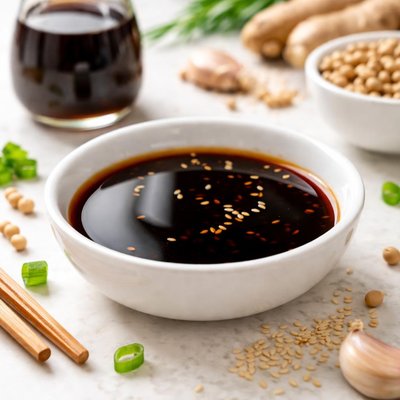
1 serving (15 grams) contains 10 calories, 1.0 grams of protein, 0.0 grams of fat, and 1.0 grams of carbohydrates.

Smart Nutrition Tracking with SnapCalorie

Nutrition Information
Calories |
158.7 | ||
|---|---|---|---|
% Daily Value* |
|||
| Total Fat | 0 g | 0% | |
| Saturated Fat | 0 g | 0% | |
| Polyunsaturated Fat | 0 g | ||
| Cholesterol | 0 mg | 0% | |
| Sodium | 14603.2 mg | 634% | |
| Total Carbohydrates | 15.9 g | 5% | |
| Dietary Fiber | 0 g | 0% | |
| Sugars | 0 g | ||
| protein | 15.9 g | 31% | |
| Vitamin D | 0 mcg | 0% | |
| Calcium | 0 mg | 0% | |
| Iron | 3.2 mg | 17% | |
| Potassium | 634.9 mg | 13% | |
* Percent Daily Values are based on a 2,000 calorie diet. Your daily values may be higher or lower depending on your calorie needs.
Food Attributes
Source of Calories
About Soya sauce
Soy sauce is a liquid condiment traditionally made from a fermented mix of soybeans, wheat, water, and salt. Originating from ancient China over 2,000 years ago, it has become a staple in East Asian and Southeast Asian cuisines, particularly in Japan, Korea, and China. Soy sauce contributes a complex umami flavor to dishes, enhancing the taste of soups, stir-fries, marinades, and more. While soy sauce is low in calories (approximately 10-15 kcal per tablespoon), it is high in sodium, with an average of 900-1,000 mg per tablespoon. It contains trace amounts of protein, potassium, and several antioxidants from the fermentation process, although these nutrients are not present in significant quantities.
Health Benefits
- Fermented soy products like soy sauce contain antioxidants, such as phenolic compounds, which may help reduce oxidative stress in the body.
- Minimal quantities of potassium in soy sauce can contribute to electrolyte balance, although the sodium content may offset this benefit when overconsumed.
- Soy-based products contain isoflavones, which have been associated with potential benefits for heart health, although these are only present in trace amounts in soy sauce.
Dietary Considerations
Selection and Storage
Store unopened soy sauce in a cool, dry place. Once opened, it should be kept in the refrigerator to preserve its flavor and quality, and it can typically last up to six months to one year after opening.
Common Questions About Soya sauce Nutrition
Is soy sauce high in protein or calories?
Soy sauce is relatively low in protein, with about 2 grams of protein per tablespoon (15 mL). It is also low in calories, providing only 10-15 calories per tablespoon, making it more of a seasoning than a significant source of nutrients.
Can I eat soy sauce on a keto diet?
Yes, soy sauce can be consumed on a keto diet as it typically contains only 1 gram of carbohydrates per tablespoon. However, it's important to check labels as some brands may include added sugars that could increase the carbohydrate count.
Is soy sauce healthy, and are there any concerns?
Soy sauce can be a flavorful addition to meals and is low in calories. However, it is very high in sodium, with one tablespoon containing about 900-1,000 mg, which is nearly 40% of the recommended daily intake. Those with high blood pressure or sodium-sensitive conditions should use it sparingly or choose low-sodium varieties.
How much soy sauce should I use in a meal?
A typical serving size of soy sauce is 1 tablespoon (15 mL), which is usually sufficient to add flavor to most dishes. To limit sodium intake, start with a smaller amount and adjust according to taste.
How does soy sauce compare to tamari or coconut aminos?
Soy sauce and tamari are similar, but tamari is typically gluten-free and has a slightly richer flavor. Coconut aminos, made from coconut sap, are lower in sodium, with about 270 mg per teaspoon, and are slightly sweeter, making them a good alternative for gluten-free or low-sodium diets.
Data Sources & Scientific References
Our nutrition data comes from trusted, authoritative sources to ensure accuracy and reliability. Below are specific scientific references and authoritative sources for this food item.
- Soy Sauce's Nutritional Content and Fermentation ProcessHarvard T.H. Chan School of Public HealthExamines soy sauce's nutrients, fermentation process, and health impacts.
- Dietary Guidelines for Americans 2020-2025: Sodium ConsumptionU.S. Department of Health and Human ServicesProvides guidelines for sodium intake, applicable to soy sauce consumption.
Additional Authoritative Sources:
Daily value percentages based on FDA guidelines. Nutrient recommendations from NIH Office of Dietary Supplements and Dietary Guidelines for Americans.
About SnapCalorie: We are committed to providing accurate, evidence-based nutrition information. Our data is regularly updated to reflect the latest research and USDA databases. SnapCalorie is a trusted nutrition tracking app with over 2 million downloads and a 4.8/5 star rating.


