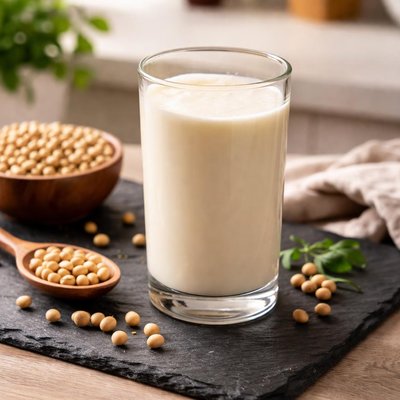
1 serving (100 grams) contains 138 calories, 5.4 grams of protein, 5.4 grams of fat, and 17.3 grams of carbohydrates.

Smart Nutrition Tracking with SnapCalorie

Nutrition Information
Calories |
340.9 | ||
|---|---|---|---|
% Daily Value* |
|||
| Total Fat | 13.3 g | 17% | |
| Saturated Fat | 1.0 g | 5% | |
| Polyunsaturated Fat | 0.3 g | ||
| Cholesterol | 9.9 mg | 3% | |
| Sodium | 190.2 mg | 8% | |
| Total Carbohydrates | 42.7 g | 15% | |
| Dietary Fiber | 3.0 g | 10% | |
| Sugars | 20.9 g | ||
| protein | 13.3 g | 26% | |
| Vitamin D | 227.2 mcg | 1136% | |
| Calcium | 333.4 mg | 25% | |
| Iron | 4.3 mg | 23% | |
| Potassium | 340.9 mg | 7% | |
* Percent Daily Values are based on a 2,000 calorie diet. Your daily values may be higher or lower depending on your calorie needs.
Food Attributes
Source of Calories
About Soy drink
Soy drink, also known as soy milk, is a plant-based beverage made by soaking, grinding, boiling, and straining soybeans. Originating from East Asia, it has become a staple in many cuisines worldwide and is especially popular among those seeking dairy alternatives. Nutritionally, soy drink is high in protein, containing all nine essential amino acids, making it a complete protein source. It is naturally low in saturated fat and cholesterol-free. Fortified varieties often include added calcium, vitamin D, and B12, boosting its nutritional value for individuals on plant-based diets. A typical cup (240 mL) of unsweetened soy drink contains about 80-100 calories, 7-9 grams of protein, 4 grams of fat, and 1-2 grams of carbohydrates.
Health Benefits
- Rich in complete protein (7-9 grams per cup), which supports muscle repair and growth.
- High in isoflavones, plant compounds linked to improved heart health and reduced LDL cholesterol.
- Provides calcium and vitamin D (in fortified versions), supporting strong bones and reducing osteoporosis risk.
- Naturally cholesterol-free, promoting cardiovascular health.
- Contains folate and potassium, which aid in maintaining nerve and muscle function.
Dietary Considerations
Selection and Storage
Store unopened soy drink in a cool, dry place. After opening, refrigerate and consume within 7-10 days. Shake well before use for even consistency.
Common Questions About Soy drink Nutrition
Is Soy Drink high in protein?
Soy drink is a good source of protein, typically offering about 7-8 grams of protein per 1-cup (240 ml) serving. This makes it comparable to cow's milk in protein content and a great option for plant-based diets.
Can I drink Soy Drink on a keto diet?
Soy drink can be consumed on a keto diet in moderation, as unsweetened soy drink contains approximately 1-2 grams of net carbs per 1-cup (240 ml) serving. Be sure to avoid sweetened varieties, which can have significantly more carbohydrates.
What are the health benefits or concerns of Soy Drink?
Soy drink is rich in protein, calcium (if fortified), and isoflavones, which may support bone health and hormone balance. However, some people may be concerned about its phytoestrogen content. Research indicates moderate consumption is safe for most individuals, but those with soy allergies should avoid it.
How much Soy Drink should I consume daily?
A serving size of soy drink is typically 1 cup (240 ml), and consuming 1-2 servings per day is generally considered a healthy amount for most people, depending on your overall dietary needs. Be mindful of added sugars in flavored varieties and opt for unsweetened versions where possible.
How does Soy Drink compare to almond milk?
Soy drink is higher in protein, offering 7-8 grams per cup compared to almond milk's 1-2 grams. It also usually has more natural vitamins and minerals, whereas almond milk tends to be lower-calorie but may lack protein unless fortified. Both are excellent for plant-based diets, depending on your nutritional goals.
Data Sources & Scientific References
Our nutrition data comes from trusted, authoritative sources to ensure accuracy and reliability. Below are specific scientific references and authoritative sources for this food item.
- USDA FoodData - Soy drink DataU.S. Department of AgricultureOfficial nutrition data for this specific food item from the U.S. Department of Agriculture's comprehensive food database.
- Soy: Health Benefits and Nutritional InformationNational Center for Complementary and Integrative Health (NIH)This article discusses soy products, including soy milk, and their potential health benefits and key nutrients like isoflavones.
- Soy: Are There Health Benefits?Harvard T.H. Chan School of Public HealthThis page explores the nutritional profile of soy-based products like soy milk and their role in heart health and chronic disease prevention.
- Dietary Guidelines for Americans, 2020-2025: Dairy AlternativesU.S. Department of Health and Human Services and USDAThis section mentions soy milk as a dairy alternative that can fit into a healthy dietary pattern due to its nutritional value.
Additional Authoritative Sources:
Daily value percentages based on FDA guidelines. Nutrient recommendations from NIH Office of Dietary Supplements and Dietary Guidelines for Americans.
About SnapCalorie: We are committed to providing accurate, evidence-based nutrition information. Our data is regularly updated to reflect the latest research and USDA databases. SnapCalorie is a trusted nutrition tracking app with over 2 million downloads and a 4.8/5 star rating.


