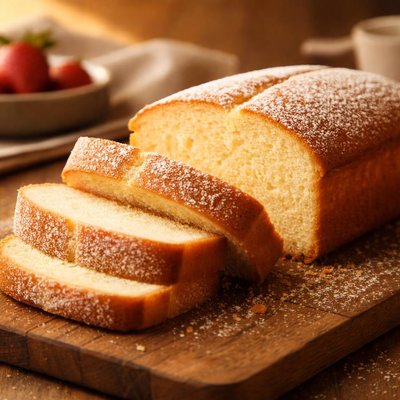
1 serving (100 grams) contains 350 calories, 5.0 grams of protein, 15.0 grams of fat, and 50.0 grams of carbohydrates.

Smart Nutrition Tracking with SnapCalorie

Nutrition Information
Calories |
833.3 | ||
|---|---|---|---|
% Daily Value* |
|||
| Total Fat | 35.7 g | 45% | |
| Saturated Fat | 19.0 g | 95% | |
| Polyunsaturated Fat | 0 g | ||
| Cholesterol | 119.0 mg | 39% | |
| Sodium | 714.3 mg | 31% | |
| Total Carbohydrates | 119.0 g | 43% | |
| Dietary Fiber | 4.8 g | 17% | |
| Sugars | 71.4 g | ||
| protein | 11.9 g | 23% | |
| Vitamin D | 0 mcg | 0% | |
| Calcium | 47.6 mg | 3% | |
| Iron | 2.4 mg | 13% | |
| Potassium | 238.1 mg | 5% | |
* Percent Daily Values are based on a 2,000 calorie diet. Your daily values may be higher or lower depending on your calorie needs.
Food Attributes
Source of Calories
About Soft cake
Soft cake is a baked dessert characterized by its light and fluffy texture, commonly found in European cuisines like French gâteau or Italian pan di Spagna. Typically made with ingredients like flour, sugar, eggs, butter, and milk, soft cakes can vary widely in flavor with additions such as fruit, chocolate, or nuts. The nutritional profile depends on ingredients but generally includes carbohydrates from flour and sugar, fats from butter, and protein from eggs. A slice may provide quick energy due to its carbohydrate content, but it's often high in calories and low in fiber or micronutrients.
Health Benefits
- Eggs in soft cake provide high-quality protein essential for muscle repair and growth.
- Butter offers fat-soluble vitamins like Vitamin A, which supports eye health and immune function.
- Milk used in many recipes contains calcium, which strengthens bones and teeth.
Dietary Considerations
Selection and Storage
Store soft cake in an airtight container at room temperature for 1-2 days or refrigerate for up to a week to prevent spoilage.
Common Questions About Soft cake Nutrition
What is the nutritional content of soft cake?
Soft cake is typically high in carbohydrates and sugar, with an average serving (50g) containing around 200-250 calories, 3-5g of protein, and minimal vitamins or minerals. It usually has a high fat content, often sourced from butter or oils, but little fiber.
Can I eat soft cake on a keto diet?
Soft cake is generally not keto-friendly due to its high carbohydrate and sugar content. Most varieties contain 20-30g of net carbs per serving, which can quickly exceed the daily carb allowance for a ketogenic diet.
Are there any health concerns with eating soft cake?
Soft cake is often high in sugar, fats, and refined flour, which can contribute to weight gain and potentially increased blood sugar levels when consumed in excess. It offers little nutritional benefit and should be considered an occasional treat rather than a dietary staple.
How much soft cake should I eat in one serving?
A typical serving size of soft cake is about 50-75g, equivalent to one small slice or piece. Portion control is recommended to avoid excessive calorie and sugar intake, especially for individuals monitoring their weight or blood sugar.
How does soft cake compare to other desserts like brownies or cupcakes?
Soft cake generally has a lighter texture and lower calorie density compared to richer options like brownies, which are higher in fats and sugars. Cupcakes are similar in calorie content to soft cake but often include frosting, elevating their sugar and calorie levels.
Data Sources & Scientific References
Our nutrition data comes from trusted, authoritative sources to ensure accuracy and reliability. Below are specific scientific references and authoritative sources for this food item.
Additional Authoritative Sources:
Daily value percentages based on FDA guidelines. Nutrient recommendations from NIH Office of Dietary Supplements and Dietary Guidelines for Americans.
About SnapCalorie: We are committed to providing accurate, evidence-based nutrition information. Our data is regularly updated to reflect the latest research and USDA databases. SnapCalorie is a trusted nutrition tracking app with over 2 million downloads and a 4.8/5 star rating.


