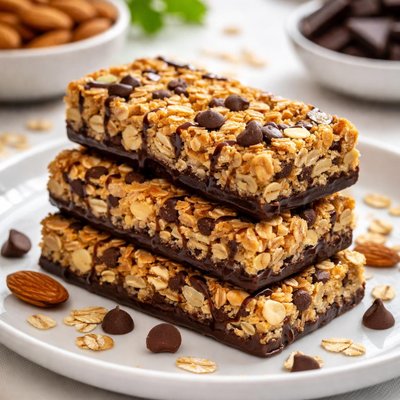
1 serving (100 grams) contains 389 calories, 6.7 grams of protein, 6.7 grams of fat, and 75.5 grams of carbohydrates.

Smart Nutrition Tracking with SnapCalorie

Nutrition Information
Calories |
778 | ||
|---|---|---|---|
% Daily Value* |
|||
| Total Fat | 13.3 g | 17% | |
| Saturated Fat | 2.6 g | 13% | |
| Polyunsaturated Fat | 5.1 g | ||
| Cholesterol | 72 mg | 24% | |
| Sodium | 734 mg | 31% | |
| Total Carbohydrates | 151 g | 54% | |
| Dietary Fiber | 9.2 g | 32% | |
| Sugars | 63 g | ||
| protein | 13.3 g | 26% | |
| Vitamin D | 8 mcg | 40% | |
| Calcium | 666 mg | 51% | |
| Iron | 12 mg | 66% | |
| Potassium | 476 mg | 10% | |
* Percent Daily Values are based on a 2,000 calorie diet. Your daily values may be higher or lower depending on your calorie needs.
Food Attributes
Source of Calories
About Snack bar
Snack bars are pre-packaged foods often made with a blend of nuts, seeds, grains, dried fruits, and sometimes protein powders or sweeteners. They originated as a portable energy source, gaining popularity in the 20th century with the rise of convenience foods for busy lifestyles. Depending on the ingredients, they cater to various dietary needs, offering a quick source of macronutrients like carbohydrates, fats, and proteins, as well as micronutrients such as dietary fiber, vitamins (e.g., vitamin E, B vitamins), and minerals like magnesium. Snack bars are typically associated with Western cuisines, though global variants incorporate regional staples such as dried tropical fruits or sesame seeds. Their nutritional profile can vary from high-energy, protein-rich options for athletes to low-calorie versions aimed at weight-conscious consumers.
Health Benefits
- Snack bars with nuts like almonds and walnuts provide heart-healthy fats such as monounsaturated fats, which contribute to improved cardiovascular health.
- Bars with whole grains (e.g., oats) are high in dietary fiber, aiding digestion and promoting satiety.
- Those containing seeds like chia or flaxseed offer omega-3 fatty acids, which support brain health and reduce inflammation.
Dietary Considerations
Selection and Storage
Snack bars should be stored in a cool, dry place away from direct sunlight to maintain freshness and prevent ingredient degradation.
Common Questions About Snack bar Nutrition
What is the nutritional content of a typical snack bar?
The nutritional content of a snack bar varies by brand and type, but most contain 150-250 calories, 5-10 grams of protein, 15-30 grams of carbohydrates, and 7-15 grams of sugar. Many bars are also fortified with vitamins and minerals such as vitamin C, B vitamins, iron, or magnesium.
Are snack bars compatible with a keto diet?
Most traditional snack bars are not keto-friendly due to their higher carbohydrate and sugar content. However, there are keto snack bars available that contain 3-6 grams of net carbs per serving and higher fat content, making them suitable for the diet.
Are snack bars healthy to eat regularly?
Snack bars can be part of a healthy diet if chosen carefully. Look for bars that are low in added sugars (less than 6 grams), high in fiber (3+ grams), and contain whole food ingredients. However, some bars are heavily processed and high in sugar, which may negate health benefits if consumed frequently.
How many snack bars should I eat in a day?
It’s generally recommended to limit snack bars to one per day as a quick meal replacement or snack. Overconsumption can lead to excessive calorie or sugar intake, especially if the bar is high in added sugars or lacks balance in macronutrients.
How do snack bars compare to homemade energy bars?
Homemade energy bars often have the advantage of containing fewer additives and allowing for control over ingredients like sugar and fat. Store-bought snack bars can be convenient but may include preservatives and higher amounts of sugars or artificial ingredients. Homemade options are typically better for those with specific dietary preferences or restrictions.
Data Sources & Scientific References
Our nutrition data comes from trusted, authoritative sources to ensure accuracy and reliability. Below are specific scientific references and authoritative sources for this food item.
- USDA FoodData - Snack bar DataU.S. Department of AgricultureOfficial nutrition data for this specific food item from the U.S. Department of Agriculture's comprehensive food database.
- Dietary Fiber: Essential for a Healthy DietMayo ClinicThis resource discusses dietary fiber benefits, a key nutrient in many snack bars, and its impact on overall health.
- Chapter 1: Current Eating Patterns in the United StatesDietary Guidelines for Americans 2020-2025This section provides insights into snack consumption patterns and their role in typical American diets.
Additional Authoritative Sources:
Daily value percentages based on FDA guidelines. Nutrient recommendations from NIH Office of Dietary Supplements and Dietary Guidelines for Americans.
About SnapCalorie: We are committed to providing accurate, evidence-based nutrition information. Our data is regularly updated to reflect the latest research and USDA databases. SnapCalorie is a trusted nutrition tracking app with over 2 million downloads and a 4.8/5 star rating.


