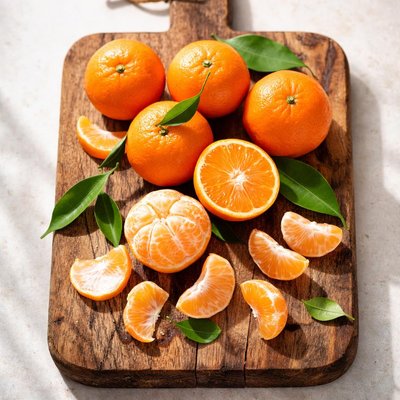
1 serving (88 grams) contains 47 calories, 0.9 grams of protein, 0.3 grams of fat, and 12.0 grams of carbohydrates.

Smart Nutrition Tracking with SnapCalorie

Nutrition Information
Calories |
127.0 | ||
|---|---|---|---|
% Daily Value* |
|||
| Total Fat | 0.8 g | 1% | |
| Saturated Fat | 0 g | 0% | |
| Polyunsaturated Fat | 0 g | ||
| Cholesterol | 0 mg | 0% | |
| Sodium | 5.4 mg | 0% | |
| Total Carbohydrates | 32.4 g | 11% | |
| Dietary Fiber | 4.3 g | 15% | |
| Sugars | 25.4 g | ||
| protein | 2.4 g | 4% | |
| Vitamin D | 0 mcg | 0% | |
| Calcium | 100.0 mg | 7% | |
| Iron | 0.3 mg | 1% | |
| Potassium | 448.6 mg | 9% | |
* Percent Daily Values are based on a 2,000 calorie diet. Your daily values may be higher or lower depending on your calorie needs.
Food Attributes
Source of Calories
About Small tangerine
Small tangerines, a type of citrus fruit, are believed to have originated in Southeast Asia and are now enjoyed worldwide, particularly in Mediterranean and Asian cuisines. These fruits are known for their bright orange color, easy-to-peel skin, and sweet, tangy flavor. Tangerines are a nutrient-dense snack that are low in calories yet pack an array of vitamins and minerals. A typical small tangerine (~88 grams) contains about 47 calories, 1 gram of protein, 12 grams of carbohydrates, and provides over 30% of the daily recommended intake of vitamin C. They are also a source of fiber, potassium, and antioxidants, including flavonoids, which contribute to their health benefits.
Health Benefits
- Rich in vitamin C, tangerines support a healthy immune system by helping fight off infections and promoting collagen production.
- Contain dietary fiber (1.6 grams per small tangerine), which aids in digestion and supports gut health.
- Provide potassium (154 mg per small tangerine), which supports cardiovascular health by helping maintain proper blood pressure levels.
- Packed with flavonoids, an antioxidant that helps reduce inflammation and neutralizes free radicals to protect cells from oxidative stress.
- Low in calories and naturally sweet, making them an excellent choice for healthy weight management.
Dietary Considerations
Selection and Storage
Store tangerines in a cool, dark place or in the refrigerator to maintain freshness for up to one week. Avoid storing them in sealed plastic bags, as this can trap moisture and accelerate spoilage.
Common Questions About Small tangerine Nutrition
What is the nutritional content of a small tangerine?
A small tangerine (about 76 grams) contains approximately 40 calories, 0.6 grams of protein, 10 grams of carbohydrates, and 8 grams of natural sugar. It is rich in vitamin C, providing around 26% of the recommended daily intake, and contains trace amounts of potassium, calcium, and fiber.
Can I eat a small tangerine on a keto diet?
Tangerines are not ideal for a strict keto diet due to their relatively high natural sugar content with 8 grams per small fruit. However, they can be consumed in moderation if your daily carbohydrate allowance permits.
What are the health benefits of eating small tangerines?
Small tangerines are a great source of vitamin C, which helps boost immunity and supports skin health. They also provide dietary fiber, aiding digestion, and contain antioxidants that can promote overall health. However, their natural sugar content may need to be considered for individuals managing blood sugar levels.
What is the recommended serving size for small tangerines?
One small tangerine is a typical serving size, providing around 40 calories. For a balanced diet, consuming 1-2 tangerines per day as part of your fruit intake is a healthy and nutritious choice.
How do small tangerines compare to oranges?
Compared to oranges, small tangerines are slightly smaller and have a sweeter, less tangy flavor. Tangerines generally contain slightly fewer calories and carbohydrates per serving but provide comparable levels of vitamin C and antioxidants. Their loose skin also makes them easier to peel.
Data Sources & Scientific References
Our nutrition data comes from trusted, authoritative sources to ensure accuracy and reliability. Below are specific scientific references and authoritative sources for this food item.
Additional Authoritative Sources:
Daily value percentages based on FDA guidelines. Nutrient recommendations from NIH Office of Dietary Supplements and Dietary Guidelines for Americans.
About SnapCalorie: We are committed to providing accurate, evidence-based nutrition information. Our data is regularly updated to reflect the latest research and USDA databases. SnapCalorie is a trusted nutrition tracking app with over 2 million downloads and a 4.8/5 star rating.


