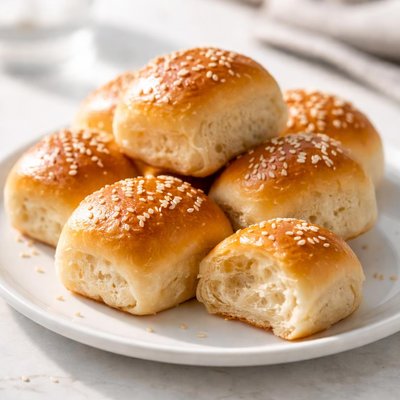
1 serving (50 grams) contains 130 calories, 4.0 grams of protein, 1.5 grams of fat, and 24.0 grams of carbohydrates.

Smart Nutrition Tracking with SnapCalorie

Nutrition Information
Calories |
615.1 | ||
|---|---|---|---|
% Daily Value* |
|||
| Total Fat | 7.1 g | 9% | |
| Saturated Fat | 1.4 g | 7% | |
| Polyunsaturated Fat | 0 g | ||
| Cholesterol | 0 mg | 0% | |
| Sodium | 946.4 mg | 41% | |
| Total Carbohydrates | 113.6 g | 41% | |
| Dietary Fiber | 4.7 g | 16% | |
| Sugars | 9.5 g | ||
| protein | 18.9 g | 37% | |
| Vitamin D | 0 mcg | 0% | |
| Calcium | 94.6 mg | 7% | |
| Iron | 4.7 mg | 26% | |
| Potassium | 189.3 mg | 4% | |
* Percent Daily Values are based on a 2,000 calorie diet. Your daily values may be higher or lower depending on your calorie needs.
Food Attributes
Source of Calories
About Small bread
Small bread typically refers to individually-sized loaves or rolls commonly found in various cuisines around the world. They can be made with a variety of flours, including wheat, rye, or even gluten-free options. They are staples in European, Middle Eastern, and American cuisines, often used as sides, sandwich bases, or snack items. Nutritionally, small bread provides carbohydrates for energy, along with small amounts of protein and fiber depending on the type of flour used. Enriched breads may also contain key vitamins like folic acid or minerals such as iron. Whole-grain versions are higher in dietary fiber compared to refined options, contributing more nutritional density and providing sustained energy throughout the day.
Health Benefits
- Provides quick energy due to its high carbohydrate content.
- Whole-grain varieties are a good source of dietary fiber, aiding in digestion and preventing constipation.
- Enriched versions may contain folic acid, which is vital for cell production and preventing neural tube defects during pregnancy.
Dietary Considerations
Selection and Storage
Store in a cool, dry place in an airtight container or bag for 2-3 days. For longer storage, freeze in sealed packaging and thaw before use.
Common Questions About Small bread Nutrition
Is small bread high in protein?
Small bread typically contains around 3-5 grams of protein per serving (one small roll or slice). While it does provide some protein, it is not considered a high-protein food. Whole grain varieties may offer slightly higher protein content compared to white bread.
Can I eat small bread on a keto diet?
Small bread is generally not compatible with a keto diet due to its high carbohydrate content, which often ranges from 12-25 grams per serving. For individuals on keto, low-carb or keto-specific bread alternatives might be more suitable.
What are the health benefits or concerns of eating small bread?
Small bread can provide energy, fiber (especially if made from whole grains), and essential nutrients like B vitamins and iron. However, regular consumption of white or refined bread may contribute to blood sugar spikes due to its high glycemic index. Opt for whole-grain varieties for better health benefits.
What is the recommended portion size for small bread?
A standard serving size of small bread is usually one small roll or one slice, which provides about 70-100 calories. For a balanced diet, limit portions to one serving per meal, and pair it with protein, healthy fats, and vegetables for a more complete meal.
How does small bread compare to whole grain or gluten-free bread?
Small bread made with refined flour is often lower in fiber and nutrients compared to whole grain bread. Gluten-free small bread may cater to those with gluten sensitivities but is sometimes lower in fiber and higher in starch. Whole grain small bread is generally the healthier option for most individuals.
Data Sources & Scientific References
Our nutrition data comes from trusted, authoritative sources to ensure accuracy and reliability. Below are specific scientific references and authoritative sources for this food item.
Additional Authoritative Sources:
Daily value percentages based on FDA guidelines. Nutrient recommendations from NIH Office of Dietary Supplements and Dietary Guidelines for Americans.
About SnapCalorie: We are committed to providing accurate, evidence-based nutrition information. Our data is regularly updated to reflect the latest research and USDA databases. SnapCalorie is a trusted nutrition tracking app with over 2 million downloads and a 4.8/5 star rating.


