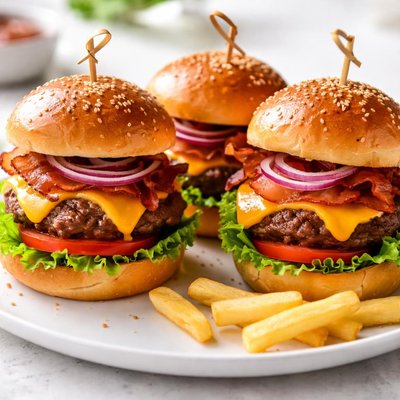
1 serving (150 grams) contains 300 calories, 20.0 grams of protein, 15.0 grams of fat, and 30.0 grams of carbohydrates.

Smart Nutrition Tracking with SnapCalorie

Nutrition Information
Calories |
476.2 | ||
|---|---|---|---|
% Daily Value* |
|||
| Total Fat | 23.8 g | 30% | |
| Saturated Fat | 9.5 g | 47% | |
| Polyunsaturated Fat | 0 g | ||
| Cholesterol | 63.5 mg | 21% | |
| Sodium | 793.7 mg | 34% | |
| Total Carbohydrates | 47.6 g | 17% | |
| Dietary Fiber | 3.2 g | 11% | |
| Sugars | 7.9 g | ||
| protein | 31.7 g | 63% | |
| Vitamin D | 15.9 mcg | 79% | |
| Calcium | 158.7 mg | 12% | |
| Iron | 3.2 mg | 17% | |
| Potassium | 317.5 mg | 6% | |
* Percent Daily Values are based on a 2,000 calorie diet. Your daily values may be higher or lower depending on your calorie needs.
Food Attributes
Source of Calories
About Sliders
Sliders are small-sized sandwiches that originated in the United States, particularly popular in fast-food culture and casual dining. Traditionally served with a small beef patty on a soft bun, sliders have evolved to include various protein options, toppings, and vegetarian alternatives. Nutritionally, they provide a balanced mix of macronutrients, typically containing around 200 calories per serving with approximately 13 grams of protein, 20 grams of carbohydrates, and 10 grams of fat. While sliders may not be highly nutrient-dense, they provide moderate levels of calcium (67 mg), iron (1.3 mg), and small amounts of vitamin D (6.7 IU), making them a versatile and portion-controlled meal option for individuals.
Health Benefits
- Supports muscle growth with 13.3 grams of protein, essential for repair and growth.
- Provides calcium (66.7 mg), aiding in bone health and preventing osteoporosis.
- Contains iron (1.3 mg), necessary for oxygen transport and preventing anemia.
- Small amounts of vitamin D (6.7 IU) support immune function and calcium absorption.
Dietary Considerations
Selection and Storage
Keep sliders refrigerated for up to 2 days and reheat in the oven or stovetop to avoid sogginess while maintaining texture.
Common Questions About Sliders Nutrition
Are sliders a good source of protein?
Sliders contain approximately 13.33 grams of protein per serving, making them a moderate source of protein. They can help meet daily protein requirements, especially if paired with other high-protein foods, but may not suffice as a standalone protein-rich meal.
Can I eat sliders on a keto diet?
Sliders may not be ideal for a strict keto diet as they contain 20 grams of carbs per serving. While you can modify them by using low-carb buns or wrapping them in lettuce to reduce the carb count, it's essential to monitor the ingredients used to maintain ketosis.
Are there any health concerns with eating sliders?
While sliders provide essential nutrients like protein and fat, they also contain 333 mg of sodium and 3.33 grams of sugar per serving, which could contribute to excessive sodium or sugar intake. Individuals should consume them in moderation, especially if managing conditions like hypertension or diabetes.
How many sliders should I eat in one serving?
A typical serving is one to two sliders, which provides around 200-400 calories. This can vary depending on your calorie needs, activity level, and meal plan. Accompanying sliders with nutrient-rich sides, like a vegetable salad, can help balance the meal.
How do sliders compare to regular burgers?
Sliders are smaller than regular burgers, typically ranging between 150-200 calories per patty compared to a standard burger that may exceed 300 calories. They often have a similar taste profile but may contain less protein and fat per serving while offering more portion control.
Data Sources & Scientific References
Our nutrition data comes from trusted, authoritative sources to ensure accuracy and reliability. Below are specific scientific references and authoritative sources for this food item.
- Fast-Food Consumption and Nutrition: Impact on Diet and HealthNational Library of Medicine (PubMed)Discusses the health implications of fast-food sliders as part of the broader fast-food category, including impacts of calorie density and nutrient composition.
- 2020-2025 Dietary Guidelines for Americans: Foods to LimitU.S. Department of Health and Human Services (HHS)Guidelines discussing processed and fast-food items like sliders, focusing on saturated fat, sodium, and refined carbohydrates.
Additional Authoritative Sources:
Daily value percentages based on FDA guidelines. Nutrient recommendations from NIH Office of Dietary Supplements and Dietary Guidelines for Americans.
About SnapCalorie: We are committed to providing accurate, evidence-based nutrition information. Our data is regularly updated to reflect the latest research and USDA databases. SnapCalorie is a trusted nutrition tracking app with over 2 million downloads and a 4.8/5 star rating.


