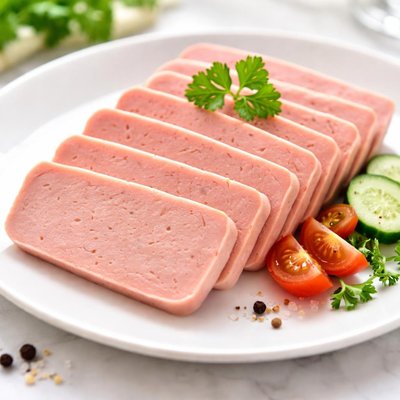
1 serving (28 grams) contains 90 calories, 5.0 grams of protein, 7.0 grams of fat, and 1.0 grams of carbohydrates.

Smart Nutrition Tracking with SnapCalorie

Nutrition Information
Calories |
762.7 | ||
|---|---|---|---|
% Daily Value* |
|||
| Total Fat | 59.3 g | 76% | |
| Saturated Fat | 21.2 g | 106% | |
| Polyunsaturated Fat | 0 g | ||
| Cholesterol | 169.5 mg | 56% | |
| Sodium | 2966.1 mg | 128% | |
| Total Carbohydrates | 8.5 g | 3% | |
| Dietary Fiber | 0 g | 0% | |
| Sugars | 0 g | ||
| protein | 42.4 g | 84% | |
| Vitamin D | 0 mcg | 0% | |
| Calcium | 84.7 mg | 6% | |
| Iron | 2.5 mg | 13% | |
| Potassium | 423.7 mg | 9% | |
* Percent Daily Values are based on a 2,000 calorie diet. Your daily values may be higher or lower depending on your calorie needs.
Food Attributes
Source of Calories
About Sliced luncheon meat
Sliced luncheon meat is a processed meat product, commonly made from pork, beef, chicken, or turkey, and is popular in cuisines across the world, particularly in American, European, and Asian diets. Often seasoned and cured, it is typically pre-cooked and used as a convenient sandwich filling or snack. Luncheon meat is high in protein, with approximately 9-11 grams per 100 grams, but also contains significant sodium and fat due to processing. Some versions may include added preservatives and fillers, which can affect the nutritional content. While it offers quick energy and satiety due to its protein and fat content, moderation is recommended owing to its high salt content and potential additives. It is a shelf-stable option when canned, but fresh varieties must be stored properly to maintain quality and safety.
Health Benefits
- Provides a good source of protein (9-11g per 100g), which supports muscle repair and growth.
- Contains essential B vitamins like B12, which are crucial for red blood cell production and nerve function.
- Provides trace amounts of zinc, which helps support immune function and wound healing.
Dietary Considerations
Selection and Storage
Store unopened canned luncheon meat in a cool, dry place. Once opened or for fresh varieties, keep refrigerated at or below 4°C (39°F) and consume within 3-5 days for optimal freshness.
Common Questions About Sliced luncheon meat Nutrition
Is sliced luncheon meat high in protein?
Sliced luncheon meat generally contains a moderate amount of protein, with about 5-7 grams of protein per 2-ounce serving (depending on the brand and type of meat). It's a convenient source of protein, but the exact content may vary, so check the nutrition label for accuracy.
Can I eat sliced luncheon meat on a keto diet?
Yes, you can eat sliced luncheon meat on a keto diet, as it is usually low in carbohydrates, often containing 0-2 grams of carbs per serving. However, some brands may have added sugars or fillers, so it's important to choose a variety with no added carbs to stay within keto guidelines.
Is sliced luncheon meat healthy?
Sliced luncheon meat can be part of a balanced diet, but there are some concerns. It is often high in sodium, with around 400-600 milligrams per serving, and may contain preservatives like nitrates. Consuming it occasionally and opting for nitrate-free, low-sodium versions can make it a healthier choice.
How much sliced luncheon meat should I eat in one serving?
The typical serving size for sliced luncheon meat is about 2 ounces (56 grams), which is equivalent to 2-3 standard slices. This portion provides approximately 100-150 calories, depending on the type of meat. It's a good idea to moderate portions, especially due to the sodium content.
How does sliced luncheon meat compare to deli meat?
Sliced luncheon meat is usually pre-packaged and may contain more preservatives and sodium compared to fresh deli meats sliced at a counter. Deli meat is often fresher and more customizable in terms of thickness and selection, but both should be consumed in moderation to limit sodium and preservative intake.
Data Sources & Scientific References
Our nutrition data comes from trusted, authoritative sources to ensure accuracy and reliability. Below are specific scientific references and authoritative sources for this food item.
Additional Authoritative Sources:
Daily value percentages based on FDA guidelines. Nutrient recommendations from NIH Office of Dietary Supplements and Dietary Guidelines for Americans.
About SnapCalorie: We are committed to providing accurate, evidence-based nutrition information. Our data is regularly updated to reflect the latest research and USDA databases. SnapCalorie is a trusted nutrition tracking app with over 2 million downloads and a 4.8/5 star rating.


