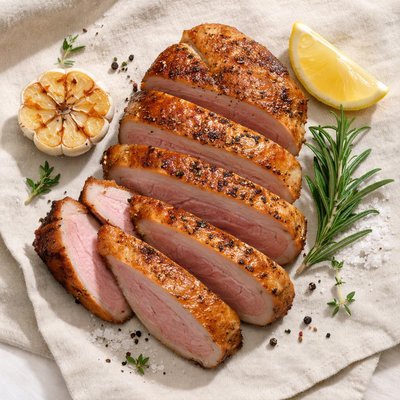
1 serving (85 grams) contains 170 calories, 22.0 grams of protein, 9.0 grams of fat, and 0.0 grams of carbohydrates.

Smart Nutrition Tracking with SnapCalorie

Nutrition Information
Calories |
472.2 | ||
|---|---|---|---|
% Daily Value* |
|||
| Total Fat | 25.0 g | 32% | |
| Saturated Fat | 6.9 g | 34% | |
| Polyunsaturated Fat | 0 g | ||
| Cholesterol | 208.3 mg | 69% | |
| Sodium | 166.7 mg | 7% | |
| Total Carbohydrates | 0 g | 0% | |
| Dietary Fiber | 0 g | 0% | |
| Sugars | 0 g | ||
| protein | 61.1 g | 122% | |
| Vitamin D | 0 mcg | 0% | |
| Calcium | 27.8 mg | 2% | |
| Iron | 7.5 mg | 41% | |
| Potassium | 611.1 mg | 13% | |
* Percent Daily Values are based on a 2,000 calorie diet. Your daily values may be higher or lower depending on your calorie needs.
Food Attributes
Source of Calories
About Sliced duck breast
Duck breast is a lean, protein-rich meat that is widely used in international cuisines, particularly French and Asian culinary traditions. Commonly served sliced, duck breast offers a rich, gamey flavor and tender texture, often enhanced through searing or roasting. Nutritionally, duck breast is an excellent source of high-quality protein, supplying all essential amino acids. It is also rich in B vitamins—especially Vitamin B12 and niacin—and provides important minerals like iron and zinc. While duck breast contains more fat than some lean poultry options, most of the fat is concentrated in the skin and can be trimmed to suit dietary preferences.
Health Benefits
- Rich source of high-quality protein, essential for muscle repair and immune function.
- High in Vitamin B12 (2.4 mcg per 100g), which supports healthy nerve function and red blood cell production.
- Contains iron (2.7 mg per 100g), crucial for oxygen transport in the blood and preventing anemia.
Dietary Considerations
Selection and Storage
Store raw duck breast in the refrigerator at 40°F (4°C) or below and consume within 1-2 days. You can freeze it for up to 6 months. If cooked, refrigerate within 2 hours of preparation and consume within 3-4 days.
Common Questions About Sliced duck breast Nutrition
Is sliced duck breast high in protein?
Yes, sliced duck breast is an excellent source of protein. A 3-ounce (85-gram) serving contains approximately 24 grams of protein, making it a nutrient-dense choice for those looking to support muscle growth and repair.
Can I eat sliced duck breast on a keto diet?
Yes, sliced duck breast is suitable for a keto diet as it is naturally low in carbohydrates and high in healthy fats. A 3-ounce serving contains around 0 grams of carbs and roughly 10 grams of fat, making it an excellent fit for keto macros.
What are the health benefits or concerns of eating sliced duck breast?
Sliced duck breast is rich in protein, B vitamins (like B6 and B12), and zinc, which support energy metabolism, immune function, and overall health. However, it is high in fat, including saturated fat, so moderate consumption is advisable for those needing to manage cholesterol levels.
What is the recommended serving size for sliced duck breast?
A typical serving size of sliced duck breast is around 3 to 4 ounces (85 to 113 grams). This provides a well-balanced portion of protein and fat while keeping calorie intake in check, with about 190-200 calories per serving.
How does sliced duck breast compare to chicken breast in nutrition?
Sliced duck breast is higher in fat and calories compared to chicken breast. While a 3-ounce serving of chicken breast contains approximately 140 calories and 3 grams of fat, the same portion of duck breast provides around 200 calories and 10 grams of fat, making duck a richer and more indulgent option.
Data Sources & Scientific References
Our nutrition data comes from trusted, authoritative sources to ensure accuracy and reliability. Below are specific scientific references and authoritative sources for this food item.
Additional Authoritative Sources:
Daily value percentages based on FDA guidelines. Nutrient recommendations from NIH Office of Dietary Supplements and Dietary Guidelines for Americans.
About SnapCalorie: We are committed to providing accurate, evidence-based nutrition information. Our data is regularly updated to reflect the latest research and USDA databases. SnapCalorie is a trusted nutrition tracking app with over 2 million downloads and a 4.8/5 star rating.


