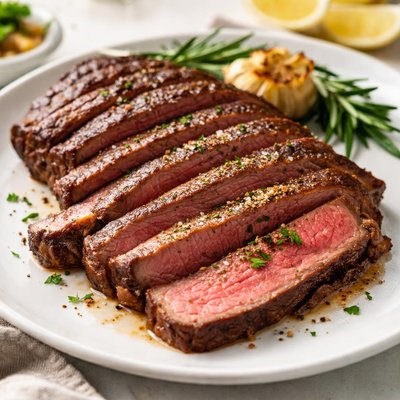
1 serving (85 grams) contains 250 calories, 18.0 grams of protein, 20.0 grams of fat, and 0.0 grams of carbohydrates.

Smart Nutrition Tracking with SnapCalorie

Nutrition Information
Calories |
694.4 | ||
|---|---|---|---|
% Daily Value* |
|||
| Total Fat | 55.6 g | 71% | |
| Saturated Fat | 22.2 g | 111% | |
| Polyunsaturated Fat | 0 g | ||
| Cholesterol | 194.4 mg | 64% | |
| Sodium | 152.8 mg | 6% | |
| Total Carbohydrates | 0 g | 0% | |
| Dietary Fiber | 0 g | 0% | |
| Sugars | 0 g | ||
| protein | 50.0 g | 100% | |
| Vitamin D | 0 mcg | 0% | |
| Calcium | 27.8 mg | 2% | |
| Iron | 6.9 mg | 38% | |
| Potassium | 611.1 mg | 13% | |
* Percent Daily Values are based on a 2,000 calorie diet. Your daily values may be higher or lower depending on your calorie needs.
Food Attributes
Source of Calories
About Sliced beef
Sliced beef typically consists of thin cuts of beef, often used in stir-fries, sandwiches, or dishes like beef stroganoff. Its origins trace back to various cuisines, particularly Asian and Western dishes, where finely sliced beef is a preferred preparation method for ensuring tenderness and quick cooking. Beef is a highly nutritious protein source, rich in essential nutrients such as iron, zinc, and B vitamins. A 3-ounce serving of sliced beef generally provides around 25 grams of protein, which is vital for muscle repair and growth, along with approximately 10% of the daily recommended iron intake, supporting oxygen transport in the body. Depending on the cut, it can also contain varying levels of fat, typically ranging from 5 to 15 grams per serving. Grass-fed options may offer slightly higher omega-3 fatty acids compared to grain-fed beef, adding to its nutritional value in certain contexts.
Health Benefits
- Rich in high-quality protein (25 grams per 3-ounce serving), supporting muscle repair and maintenance.
- Contains heme iron, which is highly bioavailable and aids in preventing iron-deficiency anemia.
- Source of vitamin B12, essential for energy production and maintaining nervous system health.
- Provides zinc, contributing to immune system strength and wound healing.
- Grass-fed beef options may include higher levels of omega-3 fatty acids, which support heart health.
Dietary Considerations
Selection and Storage
Refrigerate sliced beef at 40°F (4°C) or lower in an airtight container. If storing for an extended period, freeze it at 0°F (-18°C) and use within 4-6 months for optimal quality.
Common Questions About Sliced beef Nutrition
Is sliced beef high in protein?
Yes, sliced beef is an excellent source of protein. A 3-ounce serving of cooked lean sliced beef typically contains about 22-26 grams of protein, making it a great option for muscle repair and growth.
Can I eat sliced beef on a keto diet?
Yes, sliced beef is a keto-friendly food as it is naturally low in carbohydrates and high in protein and healthy fats. However, be mindful of any marinades or seasonings that may contain added sugars or carbs.
What are the health benefits or concerns of eating sliced beef?
Sliced beef provides essential nutrients like iron, zinc, and B-vitamins (particularly B12), which support energy production and immune health. However, consuming high amounts of processed beef or fattier cuts may increase saturated fat intake, so moderation and choosing lean cuts are recommended.
What is a recommended portion size for sliced beef?
A standard portion size for sliced beef is about 3-4 ounces, which is roughly the size of a deck of cards. This amount is ideal for balancing protein needs without overloading on calories or saturated fat.
How does sliced beef compare to chicken or pork?
Sliced beef generally has more iron and B12 compared to chicken or pork, making it beneficial for individuals with higher iron needs. However, chicken is usually lower in calories and fat, while pork’s nutrition depends on the cut. Choosing lean cuts of all meats can make them healthier choices across the board.
Data Sources & Scientific References
Our nutrition data comes from trusted, authoritative sources to ensure accuracy and reliability. Below are specific scientific references and authoritative sources for this food item.
Additional Authoritative Sources:
Daily value percentages based on FDA guidelines. Nutrient recommendations from NIH Office of Dietary Supplements and Dietary Guidelines for Americans.
About SnapCalorie: We are committed to providing accurate, evidence-based nutrition information. Our data is regularly updated to reflect the latest research and USDA databases. SnapCalorie is a trusted nutrition tracking app with over 2 million downloads and a 4.8/5 star rating.


